Hey everyone,
If you’ve ever wondered about the small, smooth, dual-material parts that feel more high-end than your average plastic piece, you’re probably looking at something made with two shot injection molding. I’ve been running a two shot injection molding supplier for 7 years now, and trust me, this process isn’t just for random plastic trinkets—it’s the quiet workhorse behind so many products you use every single day. Let me break down what two shot molding actually is first, so you get why it matters. Two Shot Injection Molding
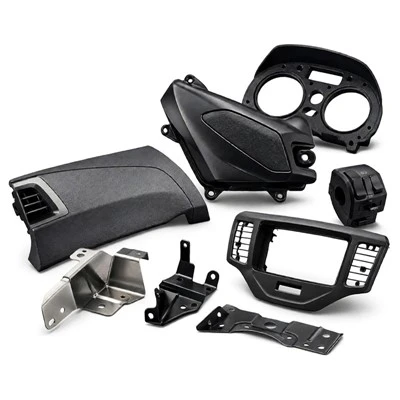
Basically, two shot (sometimes called overmolding, though we’ll stick to two shot here) is when you inject two different materials into the same mold cavity, one right after the other, without taking the part out mid-cycle. Think of it like building a part in layers, but not the 3D-printing kind of layers. Most of the time, one material is rigid plastic (like ABS or polypropylene) and the other is a softer elastomer (like TPE or silicone). That combo lets designers make parts that are both tough and grippy, or have sealed edges, or look sleek with zero seams between materials. Way better than gluing two parts together—gluing adds extra steps, costs more, and often has weak spots that break over time.
Now, let’s get into the products. I’ll start with the ones most people interact with daily, because that’s where two shot molding makes the biggest difference.
First up, handheld power tools. You’ve held a drill, a screwdriver, or a leaf blower before, right? The handle on that drill isn’t just hard plastic. If it were, your hand would slip all over the place when you’re working with it for an hour. That soft, rubbery grip you love? That’s TPE overmolded onto a rigid ABS base. We make a lot of tool handles for a big power tool brand out of our shop—last year we did 120k of them—and the feedback? Users say the grip doesn’t get slippery when it’s wet or dusty, and the part never separates like it used to when they glued the grip on. No seams, no gaps, just one solid piece that feels intentional. Even the trigger on those drills? Same thing—soft silicone on rigid plastic, so your finger doesn’t cramp up after 10 minutes of use. If you’ve ever complained about a tool handle that gets sweaty and slippery, you’ve been noticing two shot molding at work.
Next, kitchen gadgets. Let’s talk about measuring cups, mixing spoon handles, can openers, and even food processor parts. I swear, almost every silicone kitchen tool you own uses two shot molding. The cup of a measuring cup is hard, clear polypropylene (so you can see how much flour you’re pouring), and the rim you grip? Soft TPE. That rim doesn’t cut into your hand when you’re stirring a big pot of chili, and it stays in place—no more cheap measuring cups where the handle falls off after a month. We also do bottle openers for a craft beer brand—they have a hard plastic body with a TPE grip printed with their logo, and it’s way more durable than the old metal ones that bend. Even the seal on your food processor lid? That’s silicone overmolded onto plastic, so it’s airtight and doesn’t leak when you blend soup. Gluing a silicone seal would mean it peels off eventually, but two shot makes it one part—no extra steps, no failures.
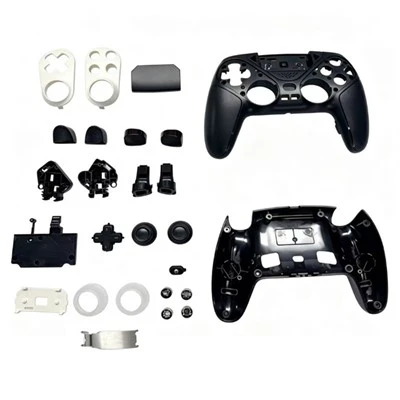
Then there’s electronics. This one’s a big one for our shop. Think of your TV remote, wireless earbud case, phone case, even a laptop hinge. Remotes: the buttons are soft silicone (they click when you press them, perfect for tactile feedback) and the body is hard ABS. No glue, so the buttons never pop off, and the remote feels nice in your hand, not like a cheap, scratchy plastic. Wireless earbud cases? Some of the premium ones have a hard plastic shell and a soft TPE outer layer to absorb drops. I had a customer tell me before—they dropped their $150 earbud case on concrete, and the outer layer absorbed all the impact, no cracks. If that case were just plastic, it would’ve shattered. Even charging cables? Wait, yeah—many cable connectors use two shot: the rigid plastic connector base, and the soft strain relief that wraps around the cable so it doesn’t fray at the end. I lose so many cables to frayed ends, and two shot strain relief is the reason the good ones last 2x longer.
Beyond daily use, there are industrial and medical products. I know, medical stuff sounds fancy, but two shot molding is huge there too. Syringe plungers: rigid plastic barrel, soft silicone plunger tip that creates a seal to push medication through. No gaps, no leaks—critical for medical use. We make parts for a medical device company that makes glucose meters: the meter body is hard, the button you press to test your blood is soft silicone. Those buttons are used thousands of times, and they never wear out or get sticky like old glued buttons did. Industrial parts: think of valve handles, seal components, even heavy-duty gear for construction equipment. Construction gear often has a rubber grip on a metal part, but overmolding soft TPE onto a hard steel insert (wait, yeah—we can even mold metal inserts with two shot) makes the handle way lighter than all metal, and way more comfortable to use for hours on a job site.
Wait, let’s not forget toys. A lot of plastic toys for kids use two shot molding too. Think of action figures—their joints are soft silicone, molded right into the hard plastic body, so the arms and legs move smoothly without falling off. If a toy has a grippy surface that’s not just paint, that’s probably two shot. We did a run of a popular dinosaur toy last year: hard plastic body, soft TPE spikes on its back. Kids squeeze it, throw it, drop it, and the spikes never come off. Glued spikes would’ve been a nightmare—choking hazards, returns, all that stuff. Two shot eliminates that, which is why toy brands love it.
Now, you might be thinking, “Okay, this sounds cool, but why should I care?” Well, I’ve worked with brands of all sizes—startups making a new phone case, big tool companies revamping their line, medical device teams rolling out a new glucose meter. Two shot molding isn’t just a “premium” option; it solves problems that regular single-shot can’t. It cuts down on assembly steps (no more gluing, snapping parts together), reduces waste (one part instead of two means less material and less scrap), and makes the final product stronger and more user-friendly. The only catch? It needs the right equipment and expertise, which is where we come in. A lot of shops claim they do two shot, but it’s not just slapping two materials into a mold—you have to account for shrinkage rates (different materials shrink differently, so the part doesn’t warp), alignment, and making sure the two materials bond well. Mess that up, and your parts separate, crack, or look cheap.
I get it, if you’re a brand owner, you’re busy—you don’t have time to troubleshoot molding issues, order materials, or track production runs. That’s what I’m here for. I’ve been doing this long enough to know how to optimize parts for two shot, source high-quality materials (TPE, silicone, ABS, all the good stuff), and get runs out in 2 weeks flat if you’re in a pinch. Whether you’re making 5k prototypes or 500k full production parts, I can walk you through the process: pick materials, tweak the part design for two shot, mold it, and ship it to you ready to assemble. I don’t do generic one-size-fits-all stuff—each part’s unique, so I work with you every step of the way to make sure it turns out exactly how you want.
If you’re a product designer, brand manager, or anyone who’s looking to level up your parts, cut costs, or make a product that stands out from the generic plastic stuff, hit me up. No fluff, no hidden fees, just honest talk about what’ll work for your project. I love talking two shot molding, answering questions, even just troubleshooting a part design you’ve been stuck on. Don’t overcomplicate it—reach out, and we can figure out the best way to make your two shot parts a reality.
Single Shot Injection Molding References:
- Rosato, D. V., & Rosato, M. G. (2000). Injection Molding Handbook (3rd ed.). Kluwer Academic Publishers.
- Speich, N. (2018). “Two-Shot Injection Molding: The Basics” Plastics Technology, vol. 64, no. 5, pp. 28-32.
- Medical Plastics News. (2021). “Overmolding in Medical Devices: Design Considerations for Silicone-Thermoplastic Parts”, vol. 28, no. 3, pp. 14-17.
- Design News. (2020). “Two-Shot Molding: Solving Part Assembly and Durability Challenges for Consumer Goods”, vol. 75, no. 8, pp. 42-45.
Guangdong GaoGlo Technology Co., Ltd.
Guangdong GaoGlo Technology Co., Ltd. is one of the most professional two shot injection molding manufacturers and suppliers in China, featured by quality products and good price. Please rest assured to buy advanced two shot injection molding made in China here and get quotation from our factory. Welcome to contact us for custom service and OEM&ODM service.
Address: Yongshi Avenue, Shiwan Town, Boluo County, Huizhou City, Guangdong Province
E-mail: info@gaoglofactory.com
WebSite: https://www.gaoglofactory.com/
