Hey everyone, and welcome back to the blog! Today I’m diving into a question I get asked all the time here at our WPC wall panel shop: Can WPC wall panels actually be a DIY project? Let me start by being real with you – I’ve seen way too many people get intimidated by home renovations, thinking only pros can pull off a clean, modern wall. But as someone who’s been supplying WPC wall panels for years, I’m here to tell you it’s totally doable – even if you’re the type who’s still figuring out how to hang a shelf without messing up the wall behind it. WPC Wall Panel
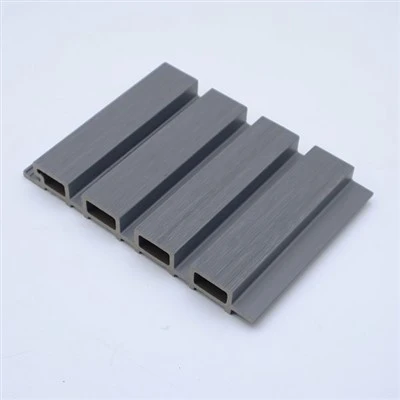
First off, let’s break down what WPC even is, because I know a lot of folks are curious. WPC stands for Wood Plastic Composite, right? It’s a mix of recycled wood fibers and plastic, melted down and pressed into those sleek wall panels you see everywhere now. What makes it perfect for DIYers is that it’s way easier to work with than solid wood or tile. Unlike solid wood, you don’t have to deal with warping if it gets a little humid – that’s a huge win for bathrooms or basements, places where DIY projects often go wrong because of moisture. And unlike tile, which needs messy mortar and grout and a level that never seems to stop moving, WPC panels are lightweight, cut clean with basic tools, and most come with a click-lock system that makes installation super straightforward. I’ve had customers tell me they finished a 10×12 wall in one weekend – and that’s with them taking their time, not rushing.
Now, I know what you’re thinking: “Okay, it sounds easy, but is it really for someone who’s never done anything like this?” Let’s talk about the basics. When you get WPC panels from us, they usually come pre-finished – no painting, no staining, just unbox, measure, cut, and stick. Wait, “stick”? Yeah, most WPC panels for DIY use can be installed with strong construction adhesive, or even nails if you prefer, but the click-lock system is where it’s at. It’s like Lego for walls – you just snap each panel into the next one, and they stay put. No fancy skills needed here. I remember a customer last year, a teacher named Sarah, emailed me saying she’d never done a DIY project bigger than replacing a light fixture, and she installed WPC panels in her kids’ playroom all by herself. The only hiccup? She used a pair of kitchen scissors to cut a panel instead of a utility knife, so the edge was a little rough – but she just covered it with a small trim piece, and no one can even tell. That’s the thing about WPC: it’s forgiving. Small mistakes here and there don’t ruin the whole look, which is way different than something like wallpaper that tears if you look at it wrong.
But let’s not sugarcoat it – there are a few things you should know before you grab your tools. First, prep is key. You can’t just stick panels to a rough, dirty wall. You need to make sure the wall is flat, clean, and dry. That means patching any holes, sanding down bumps, and wiping off dust. If your wall has a lot of texture, like old plaster, you might want to add a thin layer of plywood or drywall first to make it smooth. I always tell customers to spend an extra day on prep – it’s way easier than fighting with panels that won’t sit right because the wall’s uneven. Second, measuring correctly is non-negotiable. WPC panels come in standard sizes, but if you’re working around outlets, windows, or corners, you’ve got to measure twice (or three times!) before cutting. Pro tip: mark your cuts lightly with a pencil, then use a speed square to make sure the line is straight. A miter saw works best for clean cuts, but if you don’t have one, a circular saw or even a jigsaw will do the trick. Just make sure to wear safety glasses – those little wood plastic shavings are sharp.
Another big plus for DIYers: WPC is low-maintenance. Once it’s installed, you don’t have to worry about sealing it, repainting it, or treating it like you would solid wood. It’s water-resistant, so you can wipe it down with a damp cloth if it gets dusty, and it doesn’t scratch super easily – perfect for high-traffic areas like hallways or kitchens. I had a customer install WPC panels in her rental apartment, and when she moved out, she just unclicked them and took them with her. No damage to the original walls, no hassle with the landlord. That’s a game-changer for renters who want to update their space without making permanent changes.
But wait, is there any case where WPC might not be a good DIY project? Well, if you’re planning to do a whole accent wall that’s really large – like a 20-foot wall in a living room – you might want a buddy to help. WPC panels are light, but they’re still a little awkward to hold up while you’re clicking them into place. Having someone to hold the panel steady while you secure it makes the job go twice as fast, and way less stressful. Also, if you’re working on a curved wall, it’s doable, but it requires a bit more patience. WPC panels can be bent slightly if you score the back of them lightly first, but it’s not for someone who’s looking for a quick weekend project. Stick to straight walls if you’re a first-timer.
Let me also talk about cost, because DIY is all about staying on budget. Buying WPC panels for a DIY project is way cheaper than hiring a pro. If you were to pay someone to install traditional wood paneling or tile, you’d spend twice as much, maybe more. Our WPC panels are priced competitively, and since installation is so simple, you’re only paying for the materials – not labor. I recently helped a customer who wanted to redo her basement bar. She bought 25 panels from us, some trim, and construction adhesive, and total cost came to around $500. A contractor quoted her $1,800 for the same job. That’s a huge difference, and she ended up with a bar that looks just as good as any professional job.
Now, I get it – a lot of people are skeptical about DIY projects going wrong. I’ve seen posts online where someone tried to install WPC panels and it looked lumpy, or they cut the wrong size, or the adhesive didn’t hold. But most of those issues are avoidable if you do a little research before you start. That’s why here, we don’t just sell panels – we give our customers a free step-by-step guide with every order, plus quick video tips on how to measure, cut, and install. And if you run into a problem, our team is just an email away. We’ve been doing this for years, so we know all the common mistakes, and we’re happy to help you fix them before they turn into a big mess.
At the end of the day, WPC wall panels are one of the most DIY-friendly home improvement materials out there. They’re forgiving, easy to work with, look modern and sleek, and save you a ton of money. Whether you’re a total newbie or you’ve done a few small projects, you can pull off a great-looking wall with WPC.

If you’re ready to give it a shot, we’ve got all the panels, trim, and tools you need to get started. Whether you’re redoing a bedroom accent wall, sprucing up a bathroom, or building a custom bar, we can help you pick the right products for your space. Just reach out to our team to chat about your project – we’re happy to answer any questions, give tips, or even help you calculate how many panels you’ll need. Don’t be intimidated by home renovations – WPC makes it easy, and you’ll have a cool new wall to show off in no time.
SPC Wall Panel References:
- American Wood Council. (2022). Wood Plastic Composite (WPC) in Residential Construction.
- Home Advisor. (2023). DIY vs. Professional Installation Costs for Wall Panels.
- National Association of Home Builders. (2021). Moisture-Resistant Building Materials for High-Humidity Spaces.
- Construction Safety Association of Ontario. (2020). Basic Safety Tips for Cutting Building Materials for DIY Projects.
- Recycled Plastics Industry Association. (2022). Benefits of Wood Plastic Composite for Sustainable Home Improvements.
Shandong Fanjie International Trade Co., Ltd.
As one of the most professional WPC wall panel manufacturers in China, we have world-leading production equipment and strong manufacturing capabilities. Please feel free to buy bulk high quality WPC wall panel from our factory. We also accept customized orders.
Address: L4-015 Cross border E-commerce Entrepreneurship Park, Lanshan District, Linyi City, Shandong Province
E-mail: info@lsdec.com
WebSite: https://www.fanzeradecor.com/
