Hey everyone, if you’ve ever hung out in our night vision lens shop long enough, you know this question pops up like clockwork: “Can I actually use a night vision lens for hunting?” I get it—before I got into this gig, I used to wonder the same thing. I grew up deer hunting with my dad in western Pennsylvania, back when we thought “night hunting” meant bringing a flashlight and tripping over every root in the dark. Now that I sell these lenses, I’ve tested just about every scenario you can imagine, from coyote runs to hogs in the middle of the night. Let’s break this down like we’re shooting the breeze by a campfire, no stuffy textbook jargon. Night Vision Lens

First, let’s get one thing straight: not all night vision lenses are made equal. I see people scrolling Amazon at 2 a.m. grabbing the cheapest unit they can find, thinking it’ll work for hunting, and that’s where the trouble starts. There are two main types of night vision tech out there, and one is way better for hunting than the other. Gen 1 is the cheap stuff—you’ll see those small, clunky units for $100 or less. They work fine for sitting around your backyard to watch raccoons, but if you’re 100 yards out in the woods, trying to pick up a coyote that’s camouflaged in tall grass? Gen 1 turns everything into a grainy, blurry mess that makes it impossible to tell what’s prey and what’s just a bush blowing in the wind. Gen 2 and Gen 3 are the real deal for hunting. They amplify tiny amounts of ambient light—starlight, moonlight, even that faint glow from the sky that you can barely see with your naked eye—into a clear, usable image. I’ve used Gen 3 lenses out to 300 yards, and I can pick up the outline of a deer’s ear before it even steps into a clearing. That’s the stuff you actually want for hunting.
Wait, but what about thermal? I get this question all the time, too, and I’ve had more than one customer mix up thermal and night vision lenses. Let’s clear that up fast. Thermal doesn’t use ambient light at all—it detects heat signatures. That means it works in total darkness, even through light fog or thin tree cover. But here’s the catch: thermal is great for finding something, but it’s garbage for identifying what that something is. A coyote’s heat signature looks identical to a dog’s or even a stray cat’s on most budget thermal lenses. Night vision, on the other hand, lets you see actual fur texture, antler points, the shape of the animal’s body—all the stuff that tells you “this is a legal buck” or “this is a coyote I can take” instead of wasting a shot on a non-target. For that reason, if your goal is to hunt ethically and legally, night vision lenses are way more reliable for making positive ID than thermal. That’s been a game-changer for my regular customers, half of whom used to take bad shots because they couldn’t tell what they were looking at.
Now, let’s talk about the legal part—because I can’t stress this enough, and I wouldn’t do right by you if I skipped it. Every state has different rules about night hunting, and even the ones that allow it usually restrict what kind of tech you can use. A lot of states only let you use night vision lenses for certain game—like coyotes or hogs, which are often considered nuisance animals that you can hunt year-round. Most states ban night vision for big game like deer or elk, especially during general seasons. Why? Well, part of it is about leveling the playing field, but a bigger part is about ethical hunting. If you can see so well at night that you don’t have to track a wounded animal for miles, that’s a big advantage. But if it’s legal in your area, a good night vision lens is totally fair game. I’ve had customers come back after their first coyote hunt using our Gen 2 lens, saying they were shocked at how natural it felt. It’s like the woods don’t turn off when the sun goes down—you just get to see a whole other side of it.
Let’s get real about the practical stuff, too. Hunting isn’t just about seeing an animal—it’s about being able to shoot accurately at the right time. I’ve heard guys say “night vision is too blurry to take a shot,” but that’s only if you get a cheap lens. Our mid-range Gen 2 lenses have a resolution high enough that at 200 yards, you can put a shot right where you want it—on the vitals, not just random. The key is to match your lens’s range to what you’re hunting. If you’re targeting hogs in a pasture 150 yards out, a Gen 1 might work in a pinch, but if you’re chasing coyotes that stick to the edge of timber, go for Gen 2 or Gen 3. Also, don’t sleep on the reticle (that crosshair or aiming dot) that comes with the lens. A lot of cheap lenses have wonky reticles that shift in low light, but the good ones have reticles calibrated for night use, so you don’t have to guess where your bullet’s going.
Wait, what about battery life? That’s another big pain point I hear about. Nothing sucks more than getting settled in a blind at 10 p.m., waiting for an animal, and your lens dies an hour later. The high-quality night vision lenses we sell have lithium batteries that last 10+ hours on a single charge. I tested this last winter when I was scouting a hog property—left my Gen 2 lens on all night, watching a sounder come through at 2 a.m., and it was still going strong when I packed up at 7 a.m. The cheap ones? They die in 2-3 hours, max. So if you’re planning a full night hunt, invest in a good battery, too—most of our customers grab a spare pack just in case, which is a no-brainer.
Let’s also talk about scouting, because that’s a huge use for night vision lenses that a lot of hunters miss. You don’t have to use your lens only for hunting—take it out during the day to scout game trails, water holes, bedding areas. At night, you can sneak through the woods (without spooking animals, mostly) and see where they’re moving, what time they’re active, all that intel that makes your hunt way easier. I’ve had a customer who used our lens for three nights of scouting before his deer hunt, and he ended up taking a nice 8-point buck that was bedding within 50 yards of a trail he’d mapped. That’s the kind of edge these lenses give you that old-school flashlights and night vision binoculars don’t.
Now, let’s address the myths, because I’ve heard every single one of them. Myth #1: Night vision lenses make you invisible to animals. No way—they still make a small amount of light, and even if you can’t see them, animals have great night vision of their own. You still have to use cover, stay downwind, all the basic hunting stuff. Myth #2: All night vision is the same. As I said earlier, Gen 1 vs Gen 3 is night and day. I’ve had people bring in their $80 Amazon lens to compare to our Gen 2, and they immediately saw the difference—grainy vs. crisp, blurry vs. sharp enough to see the tick on a coyote’s ear. Myth #3: You can use a night vision lens with any rifle. Nope. You need a lens that’s made to mount to a rifle scope, not just a handheld night vision lens. We sell both rifle-mounted and handheld options, so make sure you grab the right one for your setup. A lot of guys try to rig a handheld lens to their rifle and end up with blurry shots because it’s not calibrated for that use.
I’ve been in this industry for five years now, and I’ve talked to hunters of every skill level—from guys who just got their first hunting license to guides who hunt 50 nights a year. The number one takeaway I have is: a night vision lens absolutely can be used for hunting, but only if you pick the right one, use it legally, and know its limits. I’ve seen guys take their first coyote with a Gen 2 lens from us, and I’ve also seen guys waste money on cheap Gen 1 units that ended up sitting in a closet because they didn’t work. It’s all about doing your homework, and if you’re not sure, just hit me up—we’re not the kind of supplier that’s gonna upsell you a $1,000 Gen 3 lens when a $300 Gen 2 will do exactly what you need.
At the end of the day, hunting at night isn’t for everyone. It takes more patience, more attention to detail, and a lot more gear knowledge. But if you’re into chasing nuisance game like coyotes or hogs, or just want to scout better and get a deeper understanding of when and where animals move, a good night vision lens is a game-changer. It lets you see the woods the way animals do, without relying on that blinding flashlight that spooks every living thing within a mile. That’s the magic of it—you’re not just hunting with tech, you’re connecting with the wild in a way most people never get to experience.
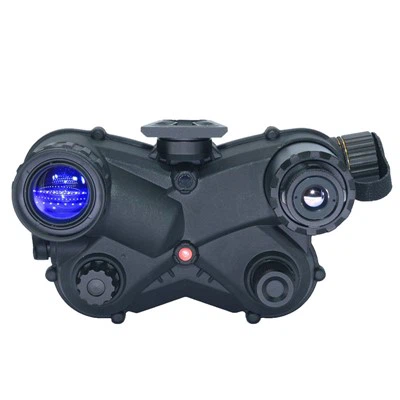
If you’re curious about picking one out, or have questions about what works for your specific hunt, we’re here to help. No pushy sales stuff, no jargon, just real talk from people who actually use these lenses for hunting too. Reach out to us to chat about your needs, compare models, and get set up with something that’ll make your next night hunt way more successful. Don’t let anyone tell you night vision isn’t for hunting—just make sure you pick the right lens for the job.
Mounts References:
- United States Fish and Wildlife Service. Night Hunting Regulations by State. 2024.
- Night Vision Manufacturers Association. Performance Standards for Gen 1, Gen 2, and Gen 3 Night Vision Lenses. 2023.
- International Hunter Education Association. Ethical Night Hunting Practices. 2022.
- Journal of Wildlife Management. Use of Night Vision Technology for Nuisance Wildlife Control. 2021.
Shenzhen Detyl Optoelectronics Co., Ltd.
With abundant experience, we are one of the most professional night vision lens manufacturers and suppliers in China. Please rest assured to buy customized night vision lens at competitive price from our factory. For pricelist and quotation, contact us now.
Address: 4th Floor, Building 3, Factory, No. 20, Second Industrial Avenue, Tangxiayong Community, Yanluo Street, Bao’an District, Shenzhen
E-mail: sales@detyl.com
WebSite: https://www.detyl.net/
