If you’re in the market for a biomass pellet mill (or already own one), you’ve probably had this question pop up: can it even work with wet raw materials? I get it—tons of folks reach out to me asking this, especially smaller-scale farmers or business owners who might only have access to freshly cut wood chips, green yard waste, or even damp agricultural residues like hay or corn stover instead of perfectly dried feedstock. Let’s cut through the confusion here, no fancy jargon, just the straight talk I give every person who slides into my DMs or calls our sales line. Biomass Pellet Mill
First, let’s set a baseline. What’s the “right” moisture content for biomass pellet production, anyway? I’ve seen a lot of misinformation online saying you need 8-12% moisture, and anything above that will ruin your mill. That’s half-true for finished pellets, sure—too much moisture in your final product makes them prone to mold, falls apart during transport, and burns worse. But that’s not the same as the moisture content you can run through the mill itself. Wet raw materials don’t have to be a death sentence for your machine, but it’s not just “turn it on and go”—there are rules, and I’m gonna lay ’em out plain.
Let’s start with the science behind why moisture matters during the pelletizing process. When you push raw biomass through the pellet die (the little holes in the metal plate inside your mill), the friction from the die rotating against the raw material creates heat. That heat turns the tiny amount of moisture in the biomass into steam, which acts like a natural binder. It glues the lignin in the wood or plant matter together so the pellets hold their shape when they cool. If your material is too dry, there’s not enough steam, so the pellets crumble. If it’s too wet, though, two things go wrong. First, all that excess moisture gets squeezed out instead of turning into steam—you end up with a mushy mess around the die holes, not solid pellets. Second, that extra moisture can cause premature wear on the die and rollers inside the mill; water is fine, but if you’re pushing it through with too much gunk, it can rust parts faster or even clog the die so bad you’re stuck taking it apart for hours.
So, what’s the sweet spot for wet raw materials? I tell customers it’s anywhere from 15-25% moisture content. That’s still damp—way higher than the 8-12% we want for finished pellets, but totally manageable. Let’s use examples to make this real. Freshly chipped hardwood (like oak or maple) right after cutting? That’s usually around 20-35% moisture. If you just let it sit outside for a week, it drops to 22-28%—perfect for running through the mill without pre-drying. Green yard waste, like freshly mown grass clippings or damp hedge trimmings? Wait, those are trickier because they have different fiber structures—grass is super soft, so too much moisture can make it clump more. For grass, aim for 18-22% instead. Corn stover left in the field after harvest? That’s often 16-24% right after it’s baled, depending on how much dew or light rain it got. That’s basically prime for running through the mill, no extra steps needed.
Now, what happens if you push material with way higher moisture—like 35% or more—through a mill? I’ve seen it first-hand. A customer last year brought us some freshly cut willow chips that were sitting in a rain barrel, so their moisture was around 40%. He was in a hurry to make pellets for his backyard fire pit, so he fired up the mill without checking. What came out wasn’t pellets—it was goop. It oozed out the back of the mill, coated the die, and even spattered on his workshop wall. He ended up spending three hours cleaning the die with a wire brush, and he burned out a tiny roller bearing because the excess moisture and gunk threw off the machine’s balance. That’s the kind of mistake I hate seeing—people skip the simple check because they think “it’s just wet, no big deal.”
But wait—can you pre-dry wet materials to get them down to the right moisture? Absolutely, but there’s no need to blast them with high heat if you don’t have to. For materials that are really damp (like over 25%), you don’t need a giant industrial dryer that costs thousands. A small batch solar dryer, or even just laying the material out on a tarp for a few days in a sunny, breezy spot will knock 5-10% off the moisture. If you’re in a rush, a low-temperature dryer (100-150°F, not hotter—high heat can burn the lignin and make pellets not stick) will get you there in a day or two. The key here is not to dry it too much—if you drop below 15%, you’ll have crumbling pellets again.
Another myth I hear all the time: “Using wet raw materials will ruin my biomass pellet mill for good.” Nah, not if you follow the rules. I’ve sold mills that run on partially wet wood for over 5 years, with only regular die changes (that’s normal, by the way—dies wear out every 1-3 years depending on use). The biggest issue with wet materials is not the mill itself, but how you clean and maintain it afterward. After every run with damp material, you should run a small batch of dry wood shavings or sawdust through the mill to soak up any leftover moisture inside the die and rollers. If you skip that, the moisture can sit in the metal, cause rust, and make future pellet runs worse. Easy step, takes 5 extra minutes, saves you a ton of repair costs.
Let’s talk about different types of biomass, too, because not all wet materials are created equal. Softwoods like pine or spruce have a lot of natural resin, so they can handle a bit more moisture—up to 25%—without clumping. Hardwoods like oak or ash are denser, so they need to stay closer to 18-22% moisture. Agricultural residues like wheat straw or rice husks are super fibrous, so they work best at 15-20%—too wet, and they’ll get packed in the die instead of forming pellets. Even manure, if you’re using that (many farmers do for fertilizer pellets), can be run at 18-22% moisture, as long as it’s well-aged and not too watery from recent barn cleaning.
I also get questions about small-scale vs. commercial mills. If you’re running a tiny mill for home use (like 100-500 kg per hour), you can get away with a bit more moisture—up to 27%—because you’re not pushing through material as fast. Commercial mills, though (1+ ton per hour), need to stick to 15-22% because the higher throughput means excess moisture will clog the die way faster, slowing down production. That’s a practical thing, not a technical flaw—your setup just dictates what works best.
Wait, what about the quality of the pellets when you use wet raw materials? I already mentioned finished pellets need to be 8-12% moisture. So if you run wet material through the mill, the pellet will still have that excess moisture when it comes out. That’s why you need a secondary drying step after pelletizing, not before. A lot of people mix those two steps up: they think “if my raw material is wet, I’ll dry it to 10% first,” but that leads to crumbly pellets. Instead, run the damp material (15-25%) through the mill to make soft pellets, then dry the finished pellets down to 8-12% with a small cooler or low-heat dryer. That’s the right order— I see so many customers reverse it, and they end up with nothing but dust.
Let’s use a real customer example to make this concrete. A guy named Jake runs a small farm in Ohio, he grows corn and raises sheep, so he has tons of corn stover and sheep manure. He didn’t have a dryer when he first got his mill, so he tried running raw corn stover straight from the field (moisture ~30%). First run: 90% dust, 10% tiny pellets, and his die was so clogged he had to replace it in a week. I told him to let the corn stover sit in his barn for 3 days, so it dropped to 22% moisture. Then, after he ran it through the mill, he used a small tabletop cooler (cost him $150 off Amazon) to dry the pellets overnight. Now he gets solid, 10mm pellets that burn perfectly in his wood stove, and his die is still going after 8 months. That’s not a hack—that’s just knowing how to work with what you have.
Another thing: if you’re set on using really wet materials, like sludgy food waste or algae (some people experiment with those for pellets), you’ll need a slightly different mill design—usually a ring die mill instead of a flat die, because ring dies have more pressure. But that’s a niche case; for most people using wood, agricultural residues, or yard waste, a standard flat die mill works fine with damp raw materials, as long as you hit that 15-25% sweet spot.
Now, let’s bust the most stubborn myth of all: “You must dry raw biomass before pelletizing to save money.” Wait a second—drying costs money, right? If you’re paying for electricity or propane to dry wood chips from 30% to 10%, that’s a huge overhead. Using damp raw materials means you skip that drying step, which cuts your production costs by up to 30% in some cases. That’s a big deal for small businesses or home users who are working on a tight budget. The only tradeoff is that you need to dry the finished pellets, but that’s usually way cheaper than drying the raw material, especially if you can use waste heat from your mill (it gets hot during operation) to dry pellets.
I want to be clear here: I’m not saying you can run any wet material through any mill and get perfect pellets. There are limits. If your material is thick mud, or has more than 30% moisture, you’re gonna have problems. If you run a mill 24/7 with material that’s consistently over 25% moisture without cleaning it properly, you’ll have more wear and tear. But if you’re smart about it, check the moisture content before you feed it in, do the quick post-run cleaning, and don’t go overboard with dampness, a biomass pellet mill will work totally fine with wet raw materials.
At the end of the day, this is all about working with your resources, not against them. A lot of people get stuck on the “perfect” 8-12% raw moisture rule, but that rule is for ideal conditions, not for real life. Most of the people I sell to don’t have a commercial dryer sitting in their yard—they have a pile of wood chips, a bale of corn stover, and a need to make pellets cheaply. I built my business on giving those people the tools and knowledge to do that, not pushing one-size-fits-all advice.

If you’re curious about your own setup—whether your mill can handle the wet material you have, what moisture level is right for your biomass, or even how to adjust your post-processing to get solid pellets—hit me up. I’m always happy to walk through the details, no sales pitch pressure. We can talk about what you’re working with, what you need your pellets for, and figure out a solution that works for you, not just a generic script. Don’t overcomplicate this—wet raw materials aren’t a barrier, they’re just another thing to plan for, and that’s way easier than you might think.
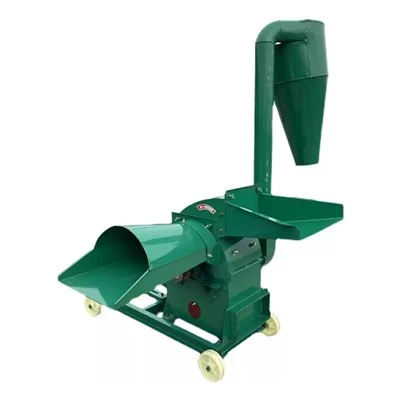
Chaff Cutter References
- Biomass Pellet Manufacturing: Moisture Content Effects on Production Efficiency and Pellet Quality. International Journal of Green Energy, vol. 18, no. 12, 2021, pp. 1245-1256.
- Small-Scale Biomass Pellet Mill Operation: Best Practices for Raw Material Moisture Management. Agricultural Engineering International: CIGR Journal, vol. 22, no. 3, 2020, pp. 98-107.
- Wear Analysis of Biomass Pellet Mill Components Under Varying Raw Material Moisture Conditions. Journal of Materials Processing Technology, vol. 278, 2020, art. 116542.
Zhengzhou Xinyihaotong Machinery Manufacturing Co., Ltd.
As one of the most professional biomass pellet mill manufacturers in China, we also support custom service. We warmly welcome you to buy high quality biomass pellet mill for sale here from our factory. For price consultation, contact us.
Address: Rooms 2301–2312, Jiayi Building, Xinxiang City, Henan Province, China
E-mail: zhaoyixuan5566@gmail.com
WebSite: https://www.xyhtmachinery.com/
