Let’s cut to the chase—if you’ve ever spent time in a process plant (whether you’re a maintenance foreman, piping engineer, or someone who’s just had to troubleshoot a wonky flow control valve at 2 a.m.), you know butterfly valves are workhorses. They’re light, compact, and way easier to install than ball valves for large-diameter lines, which is why Fisher butterfly valves are my go-to for almost every industrial application I support. But here’s the part most folks mix up: concentric vs. offset butterfly valves. I see it all the time—engineers spec the wrong one, end up with leaking seats, high torque, or valves that wear out in half the time they should. Today, let’s break this down like I would over a coffee in the break room, no jargon overload, just real-world talk from a Fisher valve supplier who’s seen the mistakes firsthand. Fisher Butterfly Valve
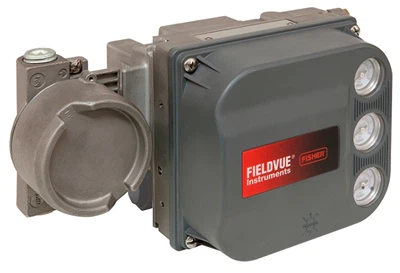
First, let’s start with the basics: what is a butterfly valve, anyway? At its core, it’s a simple disc rotating 90 degrees inside a pipe, connected to a stem that links to an actuator. Open the valve, the disc spins parallel to the pipe wall; close it, the disc seats tight to stop flow. Now, the difference between concentric and offset types comes down to one tiny, critical detail: where the disc and stem are positioned relative to the pipe centerline and seat. That tiny offset is what changes everything for performance, durability, and use case.
Concentric butterfly valves—sometimes called “single eccentric” though that’s a misnomer I hear a lot—are the standard, vanilla butterfly valve you’ll find in most general applications. Here, the center of the disc and the center of the stem line up perfectly with the pipe’s centerline. The seat is mounted directly to the pipe’s flange, right on that same center too. So when you rotate the disc, it’s spinning exactly around the middle of the pipe. Sounds straightforward, right? It is—for the right jobs. But I’ve had so many clients come to me saying, “My concentric valve is leaking like a sieve after three months” or “The actuator is drawing twice the power it should.” That’s because concentric valves have a big flaw: when the disc is closed, the entire disc face presses against the seat all at once. Think about it—if you push a dinner plate (that’s your disc) straight against a rubber ring (your seat) around the middle, the pressure is uniform… until you have to open it. To spin that plate away from the seat, you have to peel the entire disc off the seat surface at once. That creates what’s called “seat drag” or scraping. Over time, that scraping wears down the seat, even if it’s a high-grade EPDM or Buna-N, and the disc can get nicked, too. For low-pressure, non-critical applications—like water lines, secondary cooling loops, or mild chemical transfer where a little leak isn’t a safety hazard—concentric works fine. But push it into a high-pressure, high-cycle, or severe service application, and it’s a ticking time bomb.
Now, offset butterfly valves. There are two common types here, actually—double offset and triple offset. Wait, let’s clear that up early, because people lump them together. Single offset is just a minor shift of the stem away from the pipe centerline; double offset moves both the stem and the seat away from the center. Triple offset adds a third shift, making it angular instead of radial, for metal-seated valves. This is where Fisher really shines, by the way—our offset valve lines are engineered to eliminate that seat drag entirely. Let me explain: with offset designs, when the disc rotates to open, it starts pulling away from the seat the instant it begins to spin. There’s no scraping, no dragging. The disc moves parallel to the seat surface until it’s fully open, then spins all the way into the pipe wall, so it never touches the seat again when it’s wide open. That’s a game-changer for torque, because you don’t have to overcome that friction of the disc scraping the seat. It also means the seat lasts way longer—sometimes 5 to 10 times longer than a concentric valve in the same service.
Let’s get specific about how this plays out in real applications, because that’s what matters. Last year, I worked with a food and beverage plant in the Midwest that was using concentric butterfly valves on their ammonia transfer lines. Ammonia is corrosive, high-pressure, and even a tiny leak is a huge safety risk—one of those leaks can shut down a production line for days, not to mention OSHA headaches. Their concentric valves were failing every 4 to 6 months, seats getting worn down from drag, so they were looking at $10,000 a month in replacement parts and labor. We suggested a double offset Fisher butterfly valve with a EPDM seat, rated for 150 psi. They installed it, and it’s been 18 months with zero seat leaks, zero torque issues, and only scheduled maintenance during planned shutdowns. That’s the kind of result I live for as a valve supplier.
Another example: a power plant in the Southeast needed valves for their boiler feed water lines. Feed water is high-temperature (up to 350°F), high-pressure, and cycles constantly—opening and closing hundreds of times a day. Concentric valves would seize up after a year because the disc and seat would weld together from the constant friction and heat. We swapped them for triple offset metal-seated Fisher valves, which use that angular offset so the disc never touches the seat when rotating. The triple offset design means the disc seals along a narrow line, not a full face, so metal seats hold up to high heat and pressure way better than rubber seats. Now those valves are going on 3 years without any issues.
Wait, but I need to be honest—concentric valves aren’t obsolete. They still have a place. If you need a valve for a 6-inch raw water line, operating at 50 psi, open and closed maybe once a week, concentric is perfect. It’s cheaper upfront, easier to source, and for that kind of low-demand service, you’re not going to see the wear or performance issues that come with pushing it beyond its limits. The mistake I see most often is engineers spec’ing concentric valves for applications they weren’t designed for, just because they’re familiar with them. That’s where I step in—most of the time, a little talk about service conditions (pressure, temperature, fluid type, cycle rate) is all we need to pick the right valve.
Let’s also talk about torque, because that’s a big one for actuator sizing. Concentric valves have higher torque requirements, right? Because you have to overcome that friction when breaking the disc free from the seat. So if you’re using an electric actuator, you might need a larger, more expensive actuator to handle that torque. Offset valves, especially double and triple offset, have much lower breakaway torque—sometimes 50% less than concentric. That means smaller actuators, lower upfront cost, less wear on the actuator over time. I’ve had clients come to me because their concentric valve actuators failed constantly, and switching to offset cut their actuator replacement costs by 70% within a year.
What about sealing performance? That’s critical for safety. Concentric valves rely on a full-face seal between the disc and seat. For low pressure, that works fine, but as pressure goes up, the disc can flex a little, especially in larger sizes, leading to leaks. Offset valves create a linear seal, so the pressure of the fluid actually pushes the disc tighter against the seat as pressure increases. That’s called a “pressure-assisted seal,” and it’s a huge benefit for high-pressure applications. Triple offset metal-seated valves, in particular, have zero fugitive emissions, which is a must for industries handling hazardous fluids or emissions regulations. I work with a pharmaceutical plant that uses our triple offset valves on their solvent lines, and they pass all their EPA emissions testing with zero issues.
Let’s bust a couple of myths here, too. First, some people think all offset valves are more expensive. Yeah, upfront, a double or triple offset valve is a bit pricier than a comparable concentric, but when you factor in longer seat life, lower actuator costs, less downtime, and fewer replacements, the total cost of ownership is way lower. I do a quick cost analysis for every client—most of the time, the payback period is less than a year. Second, people think offset valves are harder to maintain. No, not really. The parts are similar to concentric, the installation is almost the same, and with less wear, you’re not replacing parts as often. I’ve trained maintenance teams on switching from concentric to offset valves in a matter of an hour, no complicated new procedures.
So when do you pick which one? Let’s make a cheat sheet, because that’s what most folks need:
- Choose a concentric butterfly valve if: Low pressure (<150 psi), low cycle rate (<100 cycles a year), non-critical fluid (water, mild air), low upfront cost is the top priority.
- Choose an offset butterfly valve (double offset for most medium-severe service, triple offset for severe/hazardous service) if: High pressure (>150 psi), high cycle rate (>100 cycles a year), corrosive or hazardous fluids, high temperature, fugitive emissions requirements, or low downtime is important.
Now, as a Fisher butterfly valve supplier, I don’t push offset valves just because they’re newer. I push them because they solve real problems. I’ve seen too many plants lose money, time, and even face safety incidents because they used the wrong valve. Last year, I helped a chemical plant avoid a major spill by recommending triple offset valves for their acid transfer lines before they had a leak that would have cost them millions in cleanup and fines. That’s the stuff that matters, way more than just selling a valve.
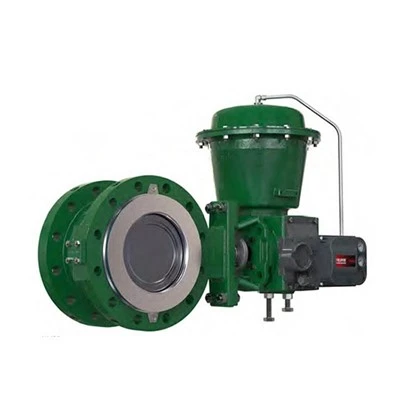
If you’re out there right now, staring at a valve spec sheet, wondering if you have the right one, or dealing with frequent valve failures, leaks, or high maintenance costs, reach out. I don’t do generic sales pitches—we’ll talk about your exact application, fluid type, pressure, temperature, cycle rate, and help you pick the right valve for your needs. Whether you need a concentric for a simple water line or a triple offset for a severe service, we’ve got Fisher valves built to last, with the support to back them up. Don’t waste money on valves that wear out too fast or don’t perform when you need them. Let’s connect, and get your process running smoothly.
Control Valve References
- Butterfly Valve Fundamentals, Fisher Valves Technical Manual, Emerson Process Management, 2022.
- Eccentric Butterfly Valve Performance Data, Valve Manufacturers Association (VMA) International, 2021.
- Severe Service Valve Selection Guidelines, American Petroleum Institute (API) Standard 609, 2020.
- Fugitive Emissions Testing for Quarter-Turn Valves, EPA Industrial Source Emissions Report, 2023.
- Industrial Valve Cost of Ownership Analysis, Process Equipment Association (PEA) White Paper, 2022.
Century Weiye (Dalian) Control Equipment Co., Ltd.
As one of the leading fisher butterfly valve manufacturers and suppliers in China, we warmly welcome you to buy discount fisher butterfly valve in stock here from our factory. If you have any enquiry about quotation, please feel free to email us. Quality products and reasonable price are available.
Address: 2205, Building 8, Red Star International, Ganjingzi District, Dalian City, Liaoning Province
E-mail: serena@valve-sjwy.com
WebSite: https://www.valve-sjwy.com/
