When I first launched my business as an Easy Wear supplier back in 2018, I’ll admit I had a narrow view of who needed our clothes. I thought “easy wear” was just a trendy term for soft, stretchy outfits that casual shoppers liked—something that made getting dressed more comfortable for anyone, not a necessity for a specific group. That all changed when a regular customer, a mom named Clara who uses a wheelchair, stopped by my warehouse one afternoon and told me, “I spend 20 minutes every morning trying to pull on a regular T-shirt. My shoulders get sore, and I rush through it just to get to work on time. I didn’t realize clothes could be different.” That conversation shifted everything I did, and it’s why I still get asked now: Are Easy Wear clothes actually suitable for people with disabilities? The short answer is yes, but the long answer is tied to why accessibility in clothing isn’t just a nice-to-have—it’s a basic part of being seen and respected. Easy Wear

Let’s start with what Easy Wear actually is, because there’s a lot of misinformation. Too many people think it’s just “baggy clothes” or unflattering, shapeless pieces. That couldn’t be further from the truth. Our Easy Wear line is designed with input from occupational therapists, physical therapists, and most importantly, people with a range of disabilities—wheelchair users, people with arthritis, people with sensory processing differences, and those who use assistive devices like catheters or oxygen tanks. Every detail is intentional, not an afterthought. For example, our adaptive T-shirts have magnetic closures along the shoulder and side seams instead of small buttons or zippers that require fine motor skills to operate. We use oversized, easy-grip tabs instead of tiny pull tabs on pant waistbands, so someone with limited hand strength doesn’t have to struggle to get their pants up. We also use seamless fabric panels to reduce irritation for people who experience sensory overload; no scratchy tags, no bulky edges that rub against skin all day.
I’ve seen firsthand how this design changes daily life. Last year, we worked with a group of young adults with cerebral palsy for a focus group. One participant, a 22-year-old named Marcus, told us he’d stopped going to his college classes because getting dressed took so long. “My hands shake, so tying shoes or buttoning a shirt makes me 15 minutes late every morning,” he said. After he tried our adaptive slip-on sneakers with wide, adjustable Velcro straps, he texted me a photo a week later—him walking to his lecture, grinning. “I didn’t realize I could just get out of bed and put these on,” he wrote. That’s the kind of small, easy win that adds up to big improvements in independence. When you don’t have to fight your clothes to get dressed, you save energy, reduce frustration, and feel more in control of your day.
Critics often argue that Easy Wear is “overly focused on a narrow disability group” or that it’s “segregating people” by making clothes look different. I get that concern—no one wants to stand out for needing adaptive clothing. But here’s the thing: accessible design doesn’t have to mean unappealing design. Our line is made in colors that match current trends, with silhouettes that work for all body types, not just those who use wheelchairs or have limited mobility. We’ve had non-disabled customers who buy our pieces because they like the soft fabric or the magnetic closures for convenience— that’s accessibility that benefits everyone. A friend of mine, a teacher with a bad back, swears by our high-waisted Easy Wear pants because the stretch fabric takes pressure off her lower back when she’s kneeling with her students. Easy Wear isn’t just for people with disabilities—it’s just that it’s designed to meet the needs of a group that’s been overlooked by the fashion industry for decades.
Another common question is whether Easy Wear works for all types of disabilities. The answer is yes, because disability looks different for everyone. For people with sensory processing disorder, the soft, tag-free fabric we use eliminates the distress of wearing scratchy, stiff clothing. For someone who uses a mobility scooter, our adjustable pant hems are long enough to cover their calves without dragging on the ground, which means no more trips or torn fabric. For someone with chronic arthritis, the wide armholes on our Easy Wear tops make it easy to slide arms in and out without straining sore joints. We even have pieces designed for people who use ostomy bags or catheters: our adaptive pants have hidden access panels near the waistband, so someone doesn’t have to undress entirely when they need to use the bathroom, saving them embarrassment and time. That’s the kind of detail that makes a huge difference for people who’ve had to adapt every part of their daily lives to fit around their disability.
I’ll be honest—there have been missteps along the way. Early on, I tried designing a line without input from people with disabilities, and it failed. We made a line of baggy, gray sweatshirts that no one bought because they felt like medical uniforms, not everyday clothes. That’s when I learned that the best adaptive clothing comes from listening, not guessing. Now, every time we design a new piece, we test it with people who have the disability it’s meant for, not just able-bodied designers. For example, when we launched our adaptive jeans, we worked with five wheelchair users to adjust the inseam and add stretch to the hips, because sitting for long hours can make regular jeans feel tight and restrictive. The first prototype was too tight at the waist, and one tester told us, “I can’t sit in that for 8 hours a day.” We went back, adjusted the stretch panel, and the final product sold out in two weeks because it solved a problem no mainstream brand was addressing.
What I’ve also learned is that accessibility in clothing is tied to dignity. For a long time, people with disabilities have been seen as “needy” or “special,” and their clothing has reflected that—functional, but not meaningful. Easy Wear changes that. When someone puts on our clothes, they’re not just putting on something that works; they’re putting on something that lets them show up as themselves. A customer named Linda, who has multiple sclerosis, told me that for years, she avoided going to family gatherings because getting dressed took too much effort. “I’d have to ask my daughter to button my shirt, and I felt like a burden,” she said. “Now I put on your shirts myself. I can pick the color I want, I don’t have to ask anyone for help. It’s not just clothes—it’s being able to be in the room without feeling like I can’t do something basic.” That’s the impact I never expected when I started this business.
Now, as an Easy Wear supplier, I want to make sure more people know that these clothes aren’t just a “trend.” The demand is growing, but there’s still a gap in the market. Too many mainstream brands don’t offer adaptive options, and when they do, they’re overpriced or poorly designed. My business is focused on making Easy Wear accessible to everyone who needs it, without marking up prices just because they’re adaptive. We work directly with factories to keep costs low, and we offer bulk pricing for organizations that serve people with disabilities, like schools, rehabilitation centers, and housing providers.
I know that some people might still be on the fence, wondering if Easy Wear is right for them. If you’re someone with a disability who’s ever struggled to get dressed, who’s felt frustrated by regular clothes that don’t fit your needs, the answer is yes. If you’re an organization that serves people with disabilities, the answer is yes. If you’re a designer or a brand looking to create more inclusive clothing, the answer is yes. The need is there, and the solution is simple: clothes that work for the person, not the other way around.
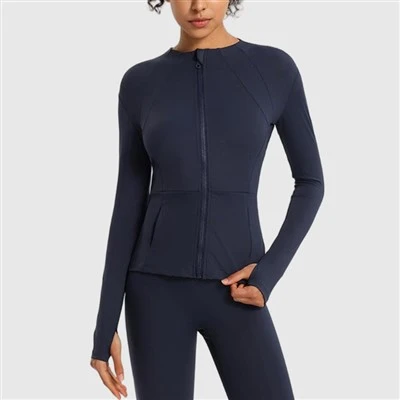
At the end of the day, my business isn’t just about selling clothes. It’s about helping people feel independent, seen, and able to participate in daily life without extra barriers. If you’re interested in learning more about our Easy Wear line, or if you’re a procurement manager, organization, or individual looking to partner, I encourage you to reach out for a conversation. We can talk about how our pieces work, how we tailor them to different needs, and how we can make your daily life or the lives of the people you serve a little easier.
Easy Wear for Women References
- World Health Organization. (2021). Global Report on Disability.
- Center for Accessible Design. (2022). Adaptive Clothing: A Framework for Inclusive Design.
- Occupational Therapy Journal of Research. (2020). The Impact of Adaptive Clothing on Daily Functioning for Adults with Mobility Impairments.
- National Organization on Disability. (2023). Inclusive Fashion: Addressing Gaps in Mainstream Clothing Markets.
Faust Garment Co., Ltd.
As one of the most professional easy wear manufacturers and suppliers in China, our products have good reputation in the market. We warmly welcome you to buy high quality easy wear made in China here from our factory. Also, custom service is available.
Address: 6th Floor, North Wing of Hengxin Building, No.9, Chifeng Road, Quanzhou City, Fujian, China.
E-mail: Kathywang@faustgarment.com
WebSite: https://www.faustsport.com/
