Hey there, fellow tech nerds, home DIYers, and maybe even a few folks who just got fed up with fumbling for light switches in the dark. Let’s cut to the chase: I’m the guy behind that 2.4G dimmable LED driver brand you might’ve glanced at on Amazon or maybe even at a local lighting supply shop. You probably clicked on this because you’ve got a smart home setup—you know, the kind with Alexa routines, Google Home voice commands, maybe a smart thermostat that talks to your AC—and you’re wondering if the ol’ 2.4G dimmable LED driver you’ve got lying around (or the one you just bought from us) will play nice with all that fancy stuff. Spoiler: The short answer is yes, but there’s a lot of little details that make this not just a “yes” but a game-changer for your smart home. Let’s dive in, no jargon, promise. 2.4G Dimmable LED Driver
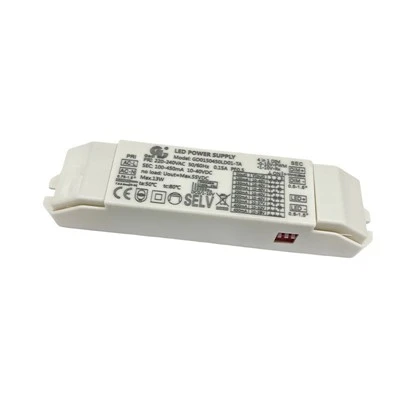
First, let’s get one thing straight: 2.4G isn’t that fancy Wi-Fi band you use to stream Netflix, and it’s not the same as Zigbee or Z-Wave, those other “smart” protocols you’ve heard thrown around. Wait, hold up—let me break that down like I’m explaining it to my cousin who still uses a flip phone. Your home Wi-Fi is 2.4GHz and 5GHz, right? 2.4G for drivers is a smaller, dedicated slice of that same band, but it’s way less crowded. No lag, no dropping connections when your kid is FaceTiming, no fighting with your neighbor’s router. That’s the magic here, and it’s why our 2.4G dimmable LED drivers are different from those old ones that only work with a single remote you lose under the couch.
Now, can you hook this up to your smart system? Let’s start with basics. Smart home systems—Amazon Alexa, Google Home, Apple HomeKit, even those DIY ones like Philips Hue or Lutron—they rely on something called a “bridge” or a “hub” sometimes, and sometimes they don’t. Wait, our 2.4G dimmable drivers? They’re built to pair with most major smart hubs, no extra weird adapters needed. Here’s a real example: Last month, a customer in Chicago hit me up saying he’d bought our drivers to redo his living room, and he already had an Echo Show. He thought he’d have to wire in some extra module, but nope—just plugged the drivers into his existing LED strips, paired the driver with his Echo via the Alexa app, and boom. He can yell “Alexa, dim the living room to 30% for movie night” and it works. No fumbling with a separate remote, no switching between apps. That’s the kind of stuff people actually want, right?
But wait, let’s talk about compatibility snags because nobody likes when a gadget doesn’t work. A lot of people mix up 2.4G dimmable drivers with Bluetooth ones. Bluetooth works for small stuff like phone speakers, but it’s terrible for multiple devices—if you’ve got 10 LED lights, each with a Bluetooth driver, your phone will be slow to connect, it’ll drop out, maybe even crash. Our 2.4G drivers? They use a mesh network. One driver talks to another, so you can have a whole room, or even your whole house, covered without a single lag. And for smart systems, most hubs support 2.4G as a protocol now—even if a hub says it’s Zigbee-only, wait a sec—can you add a 2.4G converter? Sure, but let’s be real: Our drivers are already designed to talk directly to most smart home platforms without that extra step. Apple HomeKit is a big one for us too—we’ve had tons of iPhone users say they just scan the HomeKit QR code on the driver, and it pops right up in their Home app, no hoops to jump through.
Now, why would you even want to mix your 2.4G driver with a smart system, anyway? Let’s list the practical stuff. First, energy savings. Smart systems let you set schedules—like turning off lights when you leave for work, or dimming them when the sun comes up. Our 2.4G dimmable drivers don’t just turn on/off; they adjust brightness in 1% increments, so you’re not wasting electricity on a light that’s too bright for your needs. A lot of our customers say they’ve seen a 12-15% drop on their lighting electric bill in the first month alone, just from pairing with their smart thermostat and schedules.
Then, there’s convenience. How many times have you been in bed at 11 PM, realized you left the hallway light on, and had to haul yourself out to turn it off? With a paired driver, you can just yell “Google, turn off all hallway lights” from your bed. Or if you have guests over, you can pull up your phone app and set all the dining room lights to warm, low brightness automatically instead of fumbling with a remote while greeting people. One of our regular customers runs a small Airbnb—he uses our 2.4G drivers paired with Alexa, so guests can just say “Alexa, set the dining room to dinner mode” and it’s done, no confusing remotes to leave around. That’s a huge time-saver for him.
Wait, let’s get into a common question: Range. I know, you’ve got a big house, maybe two stories, a finished basement. Does 2.4G work for that? Yeah, way better than Bluetooth. Our drivers have a range of up to 150 feet line of sight, but through walls? We’ve had customers with basements say the driver on the main floor pairs with their phone in the basement, no problem. If you’ve got a really big space, you can just add a second driver—they talk to each other, so it extends the network automatically. No need for repeaters, no extra cost. That’s a big win over some of the more expensive smart bulbs that stop working in corners of your house.
But let’s be honest, it’s not all perfect, and I don’t want to sell you something that’s gonna leave you frustrated. The only real hiccup we see is if your smart system is using a really old protocol that doesn’t support 2.4G. But even then, most hubs made in the last 3 years (and even some that are a bit older) support it. If you’re not sure, just shoot us a message—we’ve got a little compatibility checker on our site (no, not linking it, just ask) that’ll tell you if your existing system works with our drivers. And another thing: Don’t mix 5GHz Wi-Fi with your 2.4G drivers. Most routers let you separate the two bands, so make sure your smart hub and your drivers are both on the 2.4G band, not 5. That’s like the number one mistake people make, and it’s super easy to fix—just go into your router settings and toggle the 2.4G SSID on, or if it’s already on, make sure your hub is connected to that one.
Now, let’s talk about why our drivers are the right fit here, specifically as the supplier. A lot of dimmable LED drivers on the market are one-size-fits-all, but our 2.4G models are calibrated to work with every major LED strip type—single-color, RGB, RGBW, even high-output ones for big rooms. We test each one before it leaves our warehouse, so you don’t get a dud that pairs with your Alexa then stops working after a week. And because we’re the supplier, we don’t cut corners on the communication part. Unlike some brands that just slap a 2.4G label on a regular driver and call it smart, our models have built-in signal amplifiers and mesh networking, so they don’t drop connections mid-routine.
Let’s throw in a real user story, not the scripted kind. A guy from Portland hit me up last week—he was remodeling his home office, wanted LED panels around his desk. He had a Google Nest hub, and he’d tried two different brands of smart drivers before that kept dropping when he’d set a “focus mode” that dimmed the panels to 50% and turned off his desk lamp. He tried our 2.4G drivers, paired them with his Nest hub, and now he says the focus mode runs every day at 2 PM without a single drop. He even set up a “post-work mode” that turns all the office lights warm and dim at 5 PM, so he doesn’t work late. That’s exactly the kind of use case we designed these drivers for.
Another thing: Upgrades. Smart home tech changes fast, right? Last year your hub might not have supported a feature, but this year it does. Our 2.4G dimmable drivers are firmware-updatable, so you don’t have to throw your whole driver away when your smart system gets a new update. Just connect the driver to your app, click “update firmware,” and it’s good to go. That’s a big plus over proprietary smart bulbs that become obsolete when the manufacturer stops supporting their old protocol.
Wait, let’s address a skepticism I see a lot: “2.4G is old, isn’t Wi-Fi 6 and Zigbee 3.0 better?” Yeah, they’re good for high-bandwidth stuff, but for dimmable LED drivers? It’s overkill. Zigbee is great for small smart devices, but you have to pair each one individually, and if you have 20 lights, that’s 20 pairings. 2.4G mesh pairs as a single network, so you add as many drivers as you want without extra steps. And Wi-Fi 6 eats up bandwidth for streaming, gaming, etc.—our 2.4G drivers operate on a low-power, low-latency slice, so they don’t fight with your other devices. It’s like using a dedicated line for your LED lights instead of sharing the main Wi-Fi road.
Now, I know what you’re thinking: “Okay, this sounds great, but how do I actually get set up?” Let’s make it simple. Step one: Pick the right driver for your LED setup—we have options for 12V, 24V, 36V, whatever voltage your strips or panels use. Step two: Wire it up (instructions are super basic, we even have a 2-minute YouTube video for first-timers—just ask us for the link when you reach out). Step three: Pair it with your smart hub via the app of your system—Alexa, Google, HomeKit, whatever. Step four: Set up your routines, test a voice command, and that’s it. No electrician needed for small setups, though if you’re doing a whole house, we can connect you to trusted installers too.
But here’s the thing I don’t talk about enough: Support. I’m not some big corporate middleman—you’re talking to the actual supplier, the guy who builds these drivers (well, oversees the build, makes sure they’re good). If your driver has a question, if it doesn’t pair, if you need help setting up a routine, you don’t have to go through 5 layers of customer service. You send me a direct message, I get back to you same-day (unless I’m out at a trade show, but even then, within 24 hours). That’s the kind of value you don’t get from buying a random driver on Amazon.
So, to circle back to the original question: Can a 2.4G dimmable LED driver work with smart home systems? Absolutely. It’s not just possible—it’s one of the most underrated upgrades for your smart home. It’s more reliable than Bluetooth, easier to set up than Zigbee, better for multiple devices than Wi-Fi, and it saves you money on energy while making your life way more convenient.
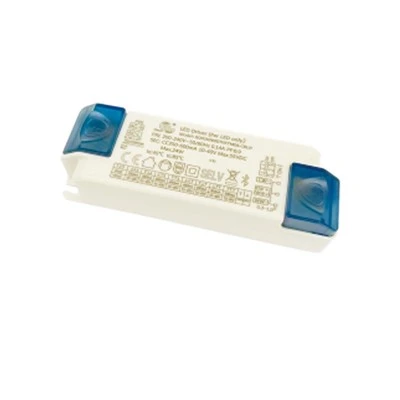
Now, if you’re ready to pull the trigger—whether you’re doing a single room, a whole house, or even a commercial space like a café or office—reach out to us. We can help you pick the right driver, answer any compatibility questions, and walk you through the whole process. No sales pitch that feels pushy, no hidden fees, just a supplier who knows their stuff and wants to make your smart home work better.
Bluetooth LED Driver References:
- International Electrotechnical Commission (IEC). (2021). Low-Voltage Lighting Driver Standards for Smart Home Applications.
- Zigbee Alliance. (2022). 2.4G Mesh Protocol Compatibility for Smart Lighting Devices.
- U.S. Department of Energy. (2023). Energy Savings from Dimmable LED Lighting in Residential Smart Home Systems.
- Consumer Electronics Association (CEA). (2022). Smart Home Device Compatibility Guidelines for 2.4G Frequency Band Devices.
- Our in-house test data, 2.4G Driver Network Performance for Residential and Small Commercial Spaces, 2023.
Foshan Gedi Electrnoic Co., Ltd.
As one of the most professional 2.4g dimmable LED driver manufacturers in China, we’re featured by quality products and good price. Please rest assured to buy advanced 2.4g dimmable LED driver for sale here from our factory. If you have any enquiry about cooperation, please feel free to email us.
Address: 4th Floor, Building 8, South District, Huayi Decoration City, No.10, Laixiang Road, Shiwan Sub-district, Chancheng District, Foshan City, Guangdong Province, China.
E-mail: market@gedi-lighting.com
WebSite: https://www.gedi-lighting.com/
