If you’ve ever browsed through truck body solutions, whether you’re a small fleet owner or an independent operator, chances are you’ve paused at that exact question: Can I lease a truck body instead of buying it? For most new and even seasoned fleet managers, leasing makes total sense for their trucks themselves—why shouldn’t it work for the specialized box, flatbed, or utility body that turns a bare chassis into a revenue-generating tool? As someone who’s been in the truck body supply business for more than a decade, I’ve fielded this question hundreds of times, and the answer isn’t a straight “yes” or “no.” It depends on your business goals, cash flow, and long-term plans. Let’s break this down like we would in a shop break room, no fancy jargon, just real talk about what works and what doesn’t. Truck Body

First, let’s get one thing straight: leasing a truck body is not a one-size-fits-all option, and it’s never going to be the right choice for everyone. Let’s start with the basics. A truck body is not the same as a truck chassis you’d lease from a bank or a manufacturer. Chassis leases are standardized, with set mileage limits, monthly payments, and clear end-of-term terms. Truck bodies, on the other hand, are highly customized. A plumber needs a flatbed with ladder racks and toolboxes that lock; a moving company needs a high cube dry van that’s reinforced for heavy furniture; a utility crew needs a service body with crane mounts and extra storage for cables and parts. Those custom elements add cost and complexity to leasing, which is why many suppliers—including mine, for years—didn’t even offer body leasing as an option. We focused on sales because that’s what most customers asked for, and leasing felt like too much of a hassle to structure fairly for both sides.
That’s changed a lot in the last five years, though, as small and mid-sized fleets started pushing for more flexible financing. Today, it is possible to lease a truck body, but you have to approach it differently than you would a chassis. Let’s talk about why someone would want to do this, because those reasons are what make it make sense. The biggest draw is cash flow. A brand-new custom truck body can cost anywhere from $10,000 for a basic flatbed to $50,000 or more for a specialized service body with all the bells and whistles. If you’re a startup, that’s a huge chunk of capital you might not have to tie up in an asset that, let’s be honest, depreciates pretty quickly over 10 years. Leasing lets you spread that cost over 3 to 5 years, with monthly payments that are often lower than a loan would be, and you don’t have to come up with a 20% down payment like you would for a purchase.
Another big win for leasing is flexibility in upgrading. If you’re in a line of work where your needs change every few years—say, a landscaping company that outgrows their old dump body, or a delivery service that shifts from small vans to larger box trucks—leasing lets you trade up to a newer, better body when your term ends, instead of being stuck with a depreciated asset that’s hard to sell. We’ve had customers who lease their bodies do exactly that: after three years, they upgrade to a more fuel-efficient lightweight aluminum body, or one with better safety features like backup cameras and collision alerts, without having to take a big loss on selling their old one. That’s a huge advantage in an industry where technology and regulations are changing fast.
Wait, speaking of regulations—let’s not forget about compliance. Many states and municipalities have updated emissions rules, weight limits, and safety requirements for commercial trucks. If you lease your body, you’re often responsible for keeping it up to code during your term, but at the end, you can walk away if your needs change or new rules make your current body obsolete. That’s less risk than owning a body that suddenly doesn’t meet new standards and has very little resale value. For example, a few years back, some areas started requiring side underride guards on all commercial truck bodies. If you owned an older body, you had to spend thousands retrofitting it; if you were leasing, your supplier might handle that upgrade as part of your term, or you could just swap to a newer compliant body when your lease ended.
But let’s be honest here—leasing isn’t perfect. There are hidden costs that a lot of people don’t see coming, and if you’re not careful, it can end up costing you more in the long run than buying. The first catch is mileage and wear and tear. Most truck body leases have strict limits on how much you can drive the chassis (which, of course, includes the body), and if you go over, you pay a per-mile penalty that can add up fast. Also, truck bodies take a beating: dents from loading and unloading, rust from salt in the winter, scratches from equipment. Some leases charge you for excess wear and tear at the end of the term, which can be hundreds or even thousands of dollars. We had a customer a couple years back who leased a service body for his plumbing business; he drove it 15,000 miles over his 3-year term, and the body had a few dents from his van that bumped into it in the shop lot. He ended up paying $2,800 in penalties, which was more than he would have paid in extra interest if he’d just bought the body outright.
Another downside is customization restrictions. When you lease a body, most suppliers won’t let you make major modifications—like cutting a hole for a crane or adding a custom storage setup—because they want the body to be returnable in good condition for the next lessee. If your business needs a one-of-a-kind setup, leasing is probably not for you. We had a construction customer who needed a flatbed with a built-in water tank for mixing concrete; he tried to lease it, but the supplier wouldn’t let him modify the body, so he ended up taking out a small business loan to buy it. That’s not a bad thing, it’s just a reality. Leased bodies have to be versatile for future customers, so custom work is off the table.
Then there’s the end-of-term fine print. A lot of people think leasing means they can just walk away when their term ends, but that’s only if you hold up your end of the agreement. Some leases require you to have the body inspected regularly, and if you miss inspections, you face fees. Others have a purchase option at the end of the term, but the price is often higher than the actual market value of the body. We’ve seen customers who leased a body for 5 years and then paid $12,000 to buy it, only to find out the same used body was selling for $8,000 on the private market. That’s a big letdown.
So when is leasing a truck body actually a good idea? Let’s list the scenarios where it works perfectly. First, if you’re a small business or startup with limited cash flow, and you don’t want to tie up working capital in an asset that’s not your core revenue driver. Your core revenue is from the service your truck provides—plumbing services, delivery, landscaping—not from owning a truck body. Leasing lets you keep your cash in other parts of the business, like marketing, payroll, or replacing your older chassis. Second, if your needs change every 3 to 5 years. If you’re growing fast, or if regulations are changing in your industry, leasing lets you adapt without being stuck. A local delivery company we work with leases their box bodies every 3 years; last year, they switched to electric-ready bodies, which they would never have been able to afford if they’d bought all their bodies outright. Third, if you have a good track record with maintenance and you drive a fairly average number of miles (under 100,000 a year) so you don’t hit excess mileage fees. If you’re careful with your body and don’t modify it, leasing can work out.
When is buying the better choice? Let’s be clear here: for most long-haul fleets, or businesses that need a very customized body, buying is almost always better. If you plan to keep the body for 7 to 10 years, and you don’t want to deal with lease fees, then purchasing a body and selling it or trading it in when you’re done is cheaper in the long run. Also, if you own multiple trucks, you might qualify for bulk discounts when buying, which can bring the cost down a lot. For example, a fleet with 10 flatbeds will pay less per body than a single operator, and buying lets you spread the cost over time with a loan, not just a lump sum.
Now, let’s talk about how to make leasing work for you if you decide it’s the right fit. First, do your homework. Not all truck body suppliers offer leasing, and not all leases are the same. Some are structured through third-party finance companies, others are in-house programs from the supplier. Ask for a full breakdown of costs: monthly payments, mileage limits, excess wear and tear fees, end-of-term purchase price, and any hidden fees like inspection fees or early termination fees. We always tell potential lessees to run the numbers both ways: calculate the total cost of leasing over the term, compared to the total cost of buying with a loan, to see which is cheaper. A little math will save you a lot of headaches.
Second, be honest about your needs. If you know you’re going to modify the body, or if you drive more than 100,000 miles a year, leasing is probably not for you. We recently had a customer who tried to lease a service body for a long-haul moving business; he drove 180,000 miles a year, and in the first year, he went over his mileage limit by 60,000 miles. He ended up paying $12,000 in excess fees, which was more than the difference between leasing and buying. Be upfront about your usage so your supplier can structure a lease that fits you, or tell you straight up if leasing isn’t a good fit.
Third, read the fine print. A lot of people skip over the terms and conditions, only to get surprised later. For example, some leases don’t cover normal wear and tear like minor rust or small dents, while others do. Some let you terminate early if your business closes, but charge a fee equal to 2 months’ payments. We always make sure our customers review their lease with a representative, so they know exactly what they’re agreeing to. It takes 15 minutes, but it saves a lot of stress down the line.
At the end of the day, leasing a truck body is not right for everyone, but it’s a great option for a lot of small and mid-sized operators who want flexibility and don’t want to tie up capital in an asset that depreciates quickly. We’ve had customers who started with leasing two bodies when they were a small startup, then expanded to 12 trucks and now buy their bodies outright—but they still value the flexibility they had early on. Others have been leasing for 7 years, because their business is always changing and they want to stay up to date on the latest safety and efficiency features.
If you’re still on the fence, don’t make a decision based on what you think you should do. Sit down with your business plan, look at your cash flow, and talk to a supplier who specializes in truck bodies—someone who will tell you the pros and cons, not just sell you a lease or a purchase. We’ve worked with hundreds of operators, and we’ll be honest with you: if leasing saves you money and fits your needs, we’ll help you structure a great lease. If buying is the better option, we’ll tell you that too. That’s the kind of supplier we are, and that’s the kind of relationship you need when you’re investing in something that’s core to your business.
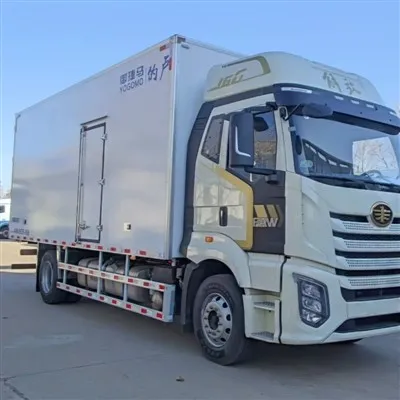
If you’re ready to talk about your options, whether it’s leasing a truck body, buying one, or just learning more about what works for your line of work, reach out to our team. We’ll walk you through the process, answer all your questions, and help you make the decision that’s best for your business. Don’t let guesswork hold you back from getting the right truck body to keep your operations running smoothly.
FRP Refrigerated Truck Body Panels References
- American Trucking Associations. (2022). Commercial Vehicle Financing Options for Small Fleets. Retrieved from industry research reports on small fleet asset management
- Truck Body Manufacturers Association. (2023). Trends in Custom Truck Body Financing and Leasing. Retrieved from annual industry white papers on commercial vehicle equipment
- U.S. Small Business Administration. (2021). Cash Flow Management for Commercial Vehicle Operators. Retrieved from small business financial guidance for transportation industries
- National Transportation Safety Board. (2022). Safety Compliance Requirements for Commercial Truck Bodies. Retrieved from regulatory guidelines for commercial vehicle modifications and maintenance
- Transportation Finance Association. (2023). Lease vs. Purchase Analysis for Commercial Equipment. Retrieved from industry resources for fleet financing decisions
Hebei Three Sworn Brothers Special Purpose Vehicle Co., Ltd.
We are one of the most professional truck body manufacturers and suppliers in China, featured by quality products and good price. Please rest assured to wholesale durable truck body for sale here from our factory. Welcome to view our website for more information.
Address: No.19,Taihang South Road, Economic Development Zone,Qinghe County, Hebei Province
E-mail: miaj@cnreeferbox.com
WebSite: https://www.cnreeferboxes.com/
