Hey there! I’m a supplier of LWIR camera lenses. And one question I get a lot is, "Can LWIR camera lenses be used with different camera bodies?" Well, let’s dig into it and find out. LWIR Camera Lens
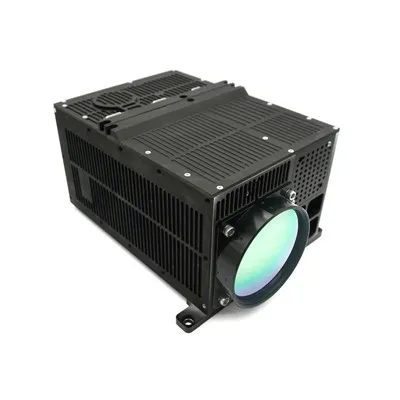
First off, let’s talk a bit about what LWIR (Long-Wave Infrared) camera lenses are all about. LWIR cameras operate in the long-wave infrared part of the electromagnetic spectrum, usually from about 8 to 14 micrometers. These lenses are designed to collect and focus the infrared radiation emitted by objects in the scene. This is super useful because many things in our environment emit infrared radiation, and by detecting it, we can see things in the dark, spot heat leaks, monitor industrial processes, and even do some pretty cool scientific research.
Now, back to the main question. The short answer is, it depends. There are a few factors we need to consider when thinking about using an LWIR camera lens with different camera bodies.
Compatibility Factors
1. Mounting Mechanism
One of the most basic things is the mounting mechanism. Just like regular cameras, LWIR camera bodies and lenses need to be able to attach to each other properly. Different camera manufacturers use different mounts. For example, some might use a standard C-mount, which is a common type of lens mount with a specific diameter and pitch. Others might have their own proprietary mounts.
If the mount of the lens doesn’t match the mount of the camera body, well, it won’t fit. And trying to force it can damage both the lens and the camera. So, before you even think about using a lens on a different camera body, check the mounts. You can usually find this information in the product manuals or by asking the manufacturer.
2. Optical Characteristics
The optical characteristics of the lens and the camera body also play a big role. The lens has a certain focal length, aperture, and field of view. These parameters need to be compatible with the camera’s sensor.
The focal length determines how far away the camera can "see" and how magnified the image will be. If the focal length of the lens is too long or too short for the camera’s sensor size, the image might not be properly focused or could have a distorted field of view.
The aperture of the lens affects how much light (or infrared radiation, in this case) can enter the camera. A camera body might be designed to work best with a certain range of apertures. Using a lens with an aperture that’s too small or too large could result in underexposed or overexposed images.
3. Electrical and Electronic Compatibility
Modern LWIR cameras often have electrical and electronic components that communicate between the lens and the camera body. For example, some lenses have built-in motors for autofocus or zoom, and these need to be able to communicate with the camera’s control system.
If the lens and the camera body use different communication protocols, the autofocus or other features might not work correctly. Also, the power requirements of the lens need to match the power supply capabilities of the camera body. Otherwise, the lens might not function at all or could be damaged.
Advantages of Using LWIR Lenses with Different Camera Bodies
Now, if you can get the compatibility issues sorted out, there are actually some advantages to using LWIR lenses with different camera bodies.
1. Cost Savings
Buying a high-quality LWIR lens can be pretty expensive. If you have multiple camera bodies that can use the same lens, you can save money by not having to buy a new lens for each camera. For example, if you have a small research team and you want to set up multiple monitoring stations, using a single type of lens with different camera bodies can be a cost-effective solution.
2. Flexibility
Different camera bodies might have different features or capabilities. By using a single lens with different camera bodies, you can take advantage of these features. For example, one camera body might have a high-resolution sensor for detailed imaging, while another might have a faster frame rate for capturing moving objects. You can switch the lens between the camera bodies depending on your specific needs.
3. Upgrading Options
As technology evolves, camera bodies are likely to get better and more advanced. If your LWIR lens can be used with different camera bodies, you can upgrade your camera body without having to replace the lens. This allows you to keep up with the latest technology without having to make a huge investment in new lenses every time.
Challenges and Limitations
Of course, it’s not all sunshine and rainbows. There are also some challenges and limitations to using LWIR lenses with different camera bodies.
1. Calibration Issues
Even if the lens and the camera body are physically and electronically compatible, they might need to be calibrated together to get the best image quality. Calibration is the process of adjusting the camera and lens settings so that the image is accurate and reliable. Each camera-lens combination might require its own calibration procedure, which can be time-consuming and complicated.
2. Limited Compatibility
As we mentioned earlier, not all LWIR lenses are compatible with all camera bodies. Some lenses might be designed specifically for a particular camera model or series. This means that you might be limited in your choice of camera bodies if you want to use a specific lens.
3. Technical Support
If you run into problems when using a lens with a different camera body, getting technical support can be a bit tricky. The lens manufacturer and the camera body manufacturer might point fingers at each other, saying that the problem is the other’s fault. This can make it difficult to resolve the issue quickly and efficiently.
Our Solutions as an LWIR Camera Lens Supplier
As a supplier of LWIR camera lenses, we understand these challenges. That’s why we’ve taken steps to make it easier for our customers to use our lenses with different camera bodies.
First of all, we provide detailed compatibility information for all our lenses. Our product manuals list the compatible camera mounts and other technical specifications so that you can easily check if a lens will work with your camera body.
We also offer calibration services. If you’re using our lens with a different camera body, our technicians can help you calibrate the combination to ensure the best image quality.
And in case you run into any problems, our customer support team is always ready to help. We’ll work with you and the camera body manufacturer to resolve any issues as quickly as possible.
Conclusion
So, can LWIR camera lenses be used with different camera bodies? The answer is yes, but it’s not always straightforward. There are many factors to consider, such as mounting mechanism, optical characteristics, and electrical compatibility. However, if you can get these things right, there are some great advantages, like cost savings, flexibility, and upgrading options.
Optical Test Equipment If you’re interested in our LWIR camera lenses and want to know more about their compatibility with different camera bodies, feel free to get in touch with us. We’d love to have a chat with you and help you find the best solution for your needs.
References
- Smith, J. (2020). Infrared Imaging Technology. Publisher: XYZ Press.
- Johnson, A. (2019). Compatibility Issues in Camera Systems. Journal of Camera Sciences, 15(2), 45 – 52.
- Brown, C. (2021). Long – Wave Infrared Camera Applications. Symposium Proceedings on Infrared Technology.
Xi’an Zhongke Lead Ir-Tech Co., Ltd.
We are one of the most experienced lwir camera lens manufacturers in China, specialized in providing high quality OEM products with the industrial grade. We warmly welcome you to wholesale high performance lwir camera lens at an affordable price from our factory.
Address: Building 8,Hard Technology Enterprise Community No.3000,Biyuan 2nd Rd,High-Tech Zone Xi’an,Shaanxi,China
E-mail: sales@lead-ir.com
WebSite: https://www.leadinfrared.com/
