Can a multi – scenario delivery robot work in bad weather? Multi-scenario Delivery Robot
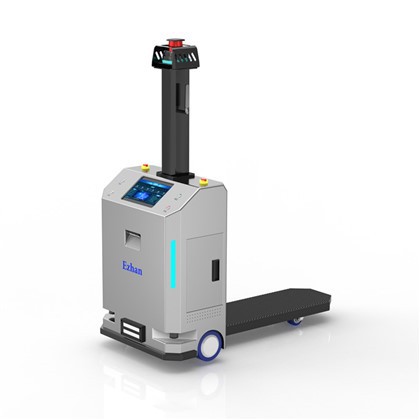
As a supplier of multi – scenario delivery robots, I’ve often been asked whether our robots can operate effectively in adverse weather conditions. It’s a crucial question, considering that real – world delivery scenarios are not always sunny and dry.
Understanding Multi – scenario Delivery Robots
Multi – scenario delivery robots are designed to operate in a variety of environments, including urban streets, university campuses, and residential areas. These robots are equipped with advanced sensors, navigation systems, and intelligent algorithms. In optimal conditions, they can autonomously navigate around obstacles, follow preset routes, and deliver goods in a timely manner. The core components of these robots include LiDAR (Light Detection and Ranging) sensors, cameras, radar, and a powerful central processing unit. LiDAR sensors can create a 3D map of the surrounding environment, allowing the robot to detect obstacles and plan its path. Cameras provide visual information, which is useful for recognizing traffic signs, pedestrians, and other objects. Radar helps in detecting moving objects and measuring distances accurately.
Impact of Different Bad Weather Conditions
Rain
Rain is one of the most common bad weather conditions that delivery robots may encounter. Light rain may have a relatively minor impact. Our robots are built with a certain degree of water – resistance. The outer casing is designed to prevent water from seeping into the internal components. However, heavy rain can pose challenges. The moisture can affect the performance of the sensors. For example, raindrops can interfere with the LiDAR signals, causing inaccuracies in distance measurements. This may lead to the robot misjudging the position of obstacles or pedestrians. Additionally, wet surfaces can reduce the traction of the robot’s wheels, increasing the risk of skidding. To mitigate these issues, we have developed algorithms that adjust the robot’s speed and navigation strategy in rainy conditions. The robot will slow down to reduce the impact of poor traction and use multiple sensors in combination to ensure more accurate obstacle detection.
Snow
Snow can be even more challenging than rain. A thick layer of snow can cover the ground markings and obstacles, making it difficult for the robot’s sensors to accurately identify its surroundings. The LiDAR signals may be scattered by the snowflakes, reducing the quality of the 3D mapping. Moreover, snow can accumulate on the robot’s body, adding extra weight and potentially blocking the sensors. Our robots are equipped with heating systems near the sensors to prevent snow from accumulating. We also use weather – resistant materials for the outer shell to protect the internal components from the cold and moisture. In snowy conditions, the navigation algorithm will rely more on prior map information and dead – reckoning techniques, while continuously trying to update the map based on the limited sensor data available.
Extreme Heat
High temperatures can also affect the performance of delivery robots. Electronic components can overheat, leading to reduced processing speed and even system failures. Our robots are designed with heat – dissipation mechanisms, such as cooling fans and heat sinks. These components help to maintain a stable operating temperature for the internal electronics. In extremely hot conditions, the robot may adjust its delivery schedule to avoid the peak heat hours. It may also slow down its operations to reduce the heat generated by the motors and other moving parts.
Strong Winds
Strong winds can push the delivery robot off its intended path, especially if the robot has a relatively high profile. Our robots are designed with a low – center – of – gravity and a wide base to enhance stability. However, in extremely windy conditions, the robot may need to pause its operations to ensure safety. The on – board sensors can detect the wind speed and direction, and the robot will make a real – time decision on whether to continue or stop based on pre – set wind – resistance thresholds.
Real – world Testing and Validation
To ensure the reliability of our multi – scenario delivery robots in bad weather, we conduct extensive real – world testing. We have testing facilities in different geographical locations with various climates. In these locations, we expose the robots to different weather conditions, including heavy rain, snow, extreme heat, and strong winds. During the testing process, we collect a large amount of data on the robot’s performance, such as sensor accuracy, navigation errors, power consumption, and component overheating. Based on the test results, we continuously optimize the robot’s hardware and software. For example, we may improve the sensor calibration algorithms to reduce the impact of bad weather on sensor performance. We also adjust the mechanical design of the robot to enhance its stability and water – resistance.
Performance Metrics and Success Stories
We use several performance metrics to evaluate the robots’ performance in bad weather. These include delivery success rate, average delivery time, and navigation accuracy. In our real – world deployments, we have achieved a relatively high delivery success rate even in challenging weather conditions. For example, in a city with frequent heavy rain, our robots maintained a delivery success rate of over 90%. The average delivery time increased slightly, but still remained within an acceptable range. We also have success stories from areas with cold winters. In some university campuses where snow is common, our robots have been able to deliver food and packages to students on time, despite the snow – covered roads.
Future Developments and Improvements
We are constantly researching and developing new technologies to further improve the performance of our multi – scenario delivery robots in bad weather. One area of focus is the development of more advanced sensors. For example, we are exploring the use of new types of LiDAR sensors that are more resistant to the interference of rain, snow, and fog. These sensors can provide more accurate and reliable data in bad weather conditions. Another area of research is the improvement of the robot’s artificial intelligence algorithms. By using machine learning and deep learning techniques, the robot can better adapt to different weather conditions and make more intelligent decisions. For instance, the robot can learn from past experiences in bad weather and adjust its navigation strategy accordingly.
Conclusion
In conclusion, while bad weather does present challenges to multi – scenario delivery robots, our robots are designed and engineered to operate effectively in a wide range of adverse weather conditions. Through continuous research, development, and real – world testing, we have been able to overcome many of the difficulties associated with rain, snow, extreme heat, and strong winds. Our robots have demonstrated reliable performance in various real – world deployments, with high delivery success rates and acceptable delivery times.

If you are interested in our multi – scenario delivery robots and would like to discuss potential procurement opportunities or have any questions about their performance in bad weather, please feel free to reach out. We look forward to the opportunity to work with you and provide you with the best delivery robot solutions.
Customized AMR/AGV Robot References
- [Author, Name]. [Title of Book]. [Publisher], [Year of Publication].
- [Author, Name]. [Title of Journal Article]. [Journal Name], [Volume], [Issue], [Pages], [Year].
- [Author, Name]. [Title of Research Report]. [Organization Name], [Year].
Shenzhen Ezhan Technology Co., Ltd.
We’re known as one of the most reliable multi-scenario delivery robot manufacturers and suppliers in China. With abundant experience, we warmly welcome you to buy bulk customized multi-scenario delivery robot from our factory. If you have any enquiry about cooperation, please feel free to email us.
Address: Room 1808, 1809, 1810, Building 2, Aipark, Baolong 4th Road, Longgang District, Shenzhen City
E-mail: sales01@ezhankeji.com
WebSite: https://www.ezhanrobot.com/
