Hey there! I’m a supplier of stamped metal parts, and I’ve been in this game for quite a while. Over the years, I’ve seen my fair share of issues when it comes to the assembly of these parts. In this blog, I’ll share some of the common problems we often run into and how we can deal with them. Stamped Metal Parts
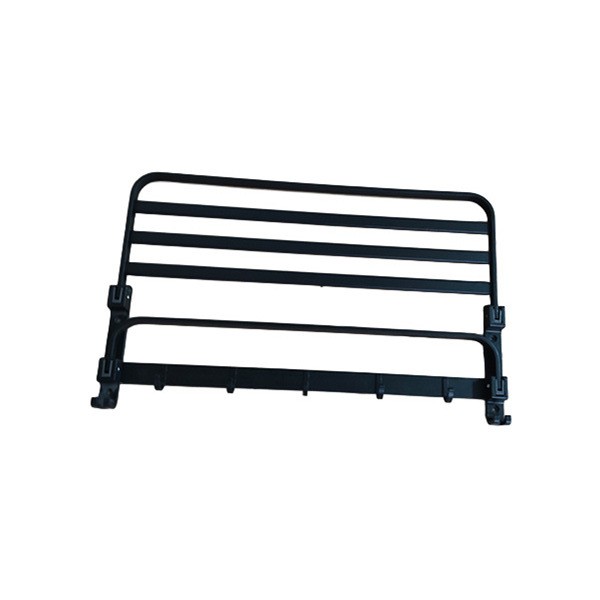
1. Misalignment
One of the most frequent problems in the assembly of stamped metal parts is misalignment. It’s like trying to put together a puzzle where the pieces just don’t fit right. Misalignment can happen for a bunch of reasons. Sometimes, the stamping process itself might not be precise enough, causing the parts to have slightly different dimensions than they should.
For example, if we’re stamping a series of brackets that are supposed to fit onto a frame, even a tiny deviation in the hole positions or the shape of the brackets can lead to misalignment during assembly. Another cause could be improper handling during transportation or storage. If the parts get jostled around too much, they might end up being out of place.
To fix this, we need to make sure our stamping tools are in top – notch condition. Regular maintenance and calibration of the stamping equipment can help ensure the parts are made to the correct specifications. Also, using proper fixtures during assembly can hold the parts in place and prevent misalignment. We can use alignment pins or jigs that are designed specifically for the parts we’re working with.
2. Burrs and Sharp Edges
Burrs are those annoying little bits of metal that stick out after the stamping process. They’re not only a pain to deal with but can also be a safety hazard. When assembling stamped metal parts, burrs can prevent proper fitment. If there’s a burr on the edge of a part that’s supposed to slide into another part, it can get in the way and cause the assembly to be loose or uneven.
Sharp edges are also a concern. They can cut workers during the assembly process and can even damage other components if they come into contact with them.
We can address this issue by deburring the parts after stamping. There are several methods for deburring, such as using abrasive wheels, chemical deburring, or vibratory finishing. These methods can remove the burrs and smooth out the sharp edges, making the parts safer and easier to assemble.
3. Material Fatigue
Stamped metal parts can experience material fatigue over time. This is especially true if the parts are subjected to repeated stress or vibrations during use. Fatigue can lead to cracks and fractures in the parts, which can compromise the integrity of the entire assembly.
For instance, if we’re supplying stamped metal parts for a machine that operates at high speeds and produces a lot of vibrations, the parts are more likely to experience fatigue. To prevent this, we need to choose the right materials. We should select metals that have high fatigue resistance. Also, we can optimize the design of the parts to reduce stress concentrations. For example, using rounded corners instead of sharp ones can help distribute the stress more evenly.
4. Corrosion
Corrosion is a big problem, especially for stamped metal parts that are exposed to moisture or harsh environmental conditions. When metal corrodes, it can weaken the part and cause it to fail. In an assembly, a corroded part can also affect the performance of other components.
We can combat corrosion by applying protective coatings to the stamped metal parts. There are different types of coatings available, such as zinc plating, powder coating, or painting. These coatings act as a barrier between the metal and the environment, preventing corrosion from occurring.
5. Inconsistent Surface Finish
An inconsistent surface finish can cause problems during assembly. If the surface of a part is too rough or too smooth in some areas, it can affect how the part fits with other components. For example, if a part is supposed to slide smoothly against another part, an uneven surface finish can cause friction and make the movement jerky.
To ensure a consistent surface finish, we need to control the stamping process carefully. The type of die used, the pressure applied during stamping, and the lubrication all play a role in determining the surface finish. We can also use post – stamping processes like polishing or sanding to achieve a more uniform surface.
6. Assembly Interference
Sometimes, parts might interfere with each other during assembly. This can happen when the design of the parts is not well – thought – out. For example, two parts might be designed in such a way that they overlap or collide during the assembly process.
To avoid assembly interference, we need to do a thorough design review before starting the stamping process. We can use 3D modeling software to simulate the assembly and identify any potential interference issues. If we find problems during the design phase, we can make the necessary adjustments to the part designs.
7. Fastener Issues
Fasteners are an important part of the assembly of stamped metal parts. However, we often run into problems with fasteners. For example, the wrong type of fastener might be used, or the fastener might not be tightened properly.
If the fastener is too small or too weak, it might not be able to hold the parts together securely. On the other hand, if the fastener is over – tightened, it can cause damage to the parts. To solve these issues, we need to select the right fasteners for the application. We should consider factors like the load the fastener will need to bear, the material of the parts, and the environment in which the assembly will be used. Also, we need to use proper torque wrenches to ensure the fasteners are tightened to the correct specifications.
8. Lack of Quality Control
A lack of quality control can lead to all sorts of problems in the assembly of stamped metal parts. If we don’t inspect the parts properly before assembly, we might end up using defective parts, which can cause the entire assembly to fail.
We need to have a comprehensive quality control system in place. This includes inspecting the raw materials, monitoring the stamping process, and doing final inspections of the assembled parts. We can use techniques like visual inspection, dimensional measurement, and non – destructive testing to ensure the parts meet the required quality standards.
In conclusion, the assembly of stamped metal parts can be a tricky business, but by being aware of these common problems and taking the right steps to address them, we can ensure high – quality assemblies. If you’re in the market for stamped metal parts and want to avoid these issues, I’d love to talk to you. Whether you need custom – made parts or have specific requirements, we can work together to find the best solutions. Reach out to me for a quote and let’s start a great partnership!
Aluminum Die Castings References:
- Metal Stamping Handbook
- Industrial Metalworking: Processes and Technologies
Yuyao Aozhou Metal Products Co., Ltd.
We are one of the most experienced stamped metal parts manufacturers and suppliers in China. With a professional production team, we are able to meet the needs of the majority of our customers. Please rest assured to buy customized stamped metal parts made in China here from our factory.
Address: No.6, Nanbailonggang, Wuma Industrial Zone, Lubu Town, Yuyao City
E-mail: xqr-2316@163.com
WebSite: https://www.cnaozhou.com/
