Pre – engineered buildings (PEBs) have become increasingly popular in the construction industry due to their cost – effectiveness, rapid construction, and flexibility. However, fire safety is a crucial aspect that cannot be overlooked. As a supplier in the Pre – Engineered Buildings Industry, I understand the significance of ensuring that our structures can handle fire safety effectively. Pre-Engineered Buildings Industry
Understanding the Basics of Fire Safety in PEBs
Fire safety in pre – engineered buildings is a multi – faceted concern. It involves not only the materials used in the construction but also the design and installation of fire – protection systems. When it comes to materials, PEBs typically use steel frames and metal panels. Steel is known for its high strength and durability, but it has a significant drawback in terms of fire safety: it loses its strength at high temperatures.
When exposed to fire, steel begins to weaken at around 500°C (932°F), and its strength can be severely compromised at temperatures above 600°C (1112°F). This means that in the event of a fire, the structural integrity of a PEB made of steel can be at risk. To address this issue, we use fire – resistant coatings on the steel components. These coatings act as a barrier, delaying the transfer of heat to the steel and helping to maintain its strength for a longer period.
The metal panels used in PEBs also need to be fire – resistant. We select panels with a high fire – rating, which indicates their ability to resist the spread of fire. These panels are often made with insulating materials that can slow down the heat transfer and prevent the fire from spreading quickly through the building.
Design Considerations for Fire Safety
The design of a pre – engineered building plays a vital role in fire safety. One of the key design elements is the compartmentalization of the building. By dividing the building into smaller compartments using fire – rated walls and partitions, we can limit the spread of fire and smoke. This gives occupants more time to evacuate and reduces the damage caused by the fire.
Another important design consideration is the placement of fire exits. We ensure that there are multiple exits in the building, and they are clearly marked and easily accessible. The exits should be located in such a way that they are not blocked by the fire or smoke. Additionally, the corridors leading to the exits should be wide enough to accommodate the flow of people during an evacuation.
Ventilation systems are also crucial in fire safety. In the event of a fire, proper ventilation can help to remove smoke and toxic gases from the building. We design ventilation systems that can be controlled during a fire, allowing fresh air to enter and smoke to exit. This not only improves the visibility for evacuation but also reduces the risk of asphyxiation for the occupants.
Fire – Protection Systems in PEBs
In addition to using fire – resistant materials and proper design, we install various fire – protection systems in our pre – engineered buildings. One of the most common systems is the sprinkler system. Sprinkler systems are highly effective in suppressing fires. They can detect the heat from a fire and automatically release water to extinguish or control the flames.
There are different types of sprinkler systems available, such as wet pipe, dry pipe, and pre – action systems. The choice of the sprinkler system depends on the specific requirements of the building, such as the type of occupancy, the environment, and the potential fire hazards. For example, wet pipe systems are suitable for buildings where the temperature is above freezing, while dry pipe systems are used in areas where there is a risk of freezing.
Another important fire – protection system is the fire alarm system. Fire alarm systems can detect the presence of fire or smoke and alert the occupants of the building. They can be connected to a central monitoring station, which can dispatch emergency services in case of a fire. We install state – of – the – art fire alarm systems that are reliable and sensitive enough to detect even small fires.
Fire extinguishers are also an essential part of the fire – protection equipment in PEBs. We ensure that there are an adequate number of fire extinguishers placed throughout the building, and they are easily accessible. Different types of fire extinguishers are used for different types of fires, such as Class A (ordinary combustibles), Class B (flammable liquids), Class C (energized electrical equipment), and Class D (combustible metals).
Testing and Certification
To ensure the effectiveness of our fire – safety measures, we subject our pre – engineered buildings to rigorous testing. We conduct fire tests on the materials and components used in the construction to verify their fire – resistance ratings. These tests are carried out in accordance with international standards, such as ASTM (American Society for Testing and Materials) and UL (Underwriters Laboratories).
Once the building is constructed, we also perform comprehensive fire – safety inspections. These inspections cover all aspects of the fire – protection systems, including the sprinkler system, fire alarm system, and fire extinguishers. We check for proper installation, functionality, and maintenance of these systems.
We also obtain relevant certifications for our buildings. Certifications from recognized organizations, such as FM Global (Factory Mutual) and ISO (International Organization for Standardization), provide assurance to our customers that our buildings meet the highest standards of fire safety.
Case Studies
Let’s take a look at a few case studies to illustrate how our pre – engineered buildings handle fire safety. One of our clients, a manufacturing facility, had a small fire in one of its storage areas. Thanks to the fire – resistant coatings on the steel frames and the fire – rated metal panels, the fire was contained within the storage area. The sprinkler system was activated immediately, and it quickly extinguished the fire. The fire alarm system alerted the employees, and they were able to evacuate the building safely.
In another case, a commercial office building had a fire on the second floor. The compartmentalization of the building prevented the fire from spreading to other floors. The ventilation system removed the smoke from the building, and the fire – exit routes remained clear. The fire was eventually extinguished by the fire department, and the damage to the building was minimal.
Conclusion

Fire safety is a top priority in the Pre – Engineered Buildings Industry. As a supplier, we take every measure to ensure that our buildings can handle fire safety effectively. From using fire – resistant materials and proper design to installing advanced fire – protection systems and conducting rigorous testing, we are committed to providing our customers with safe and reliable buildings.
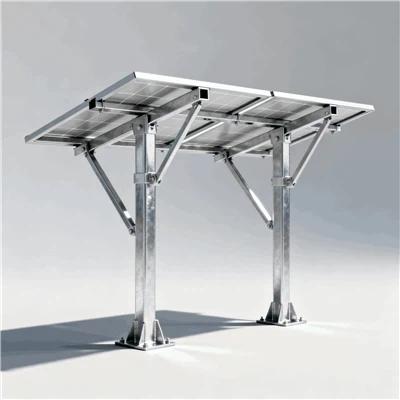
Zinc-Al-Mg Solar Mounting Bracket If you are in the market for a pre – engineered building and are concerned about fire safety, we would be more than happy to discuss your requirements. Our team of experts can provide you with detailed information about our fire – safety measures and help you choose the right solution for your project. Contact us today to start the procurement and negotiation process, and let us build a safe and fire – resistant pre – engineered building for you.
References
- ASTM International. (2023). Fire – related standards.
- Underwriters Laboratories. (2023). Fire safety standards and certifications.
- FM Global. (2023). Property loss prevention data sheets.
- ISO. (2023). International standards for fire safety in buildings.
Address: Unit 2102, Jingjin International Center, NO.18 Hejiang Road, Heping District, Tianjin, China
E-mail: info@tjrsr.com
WebSite: https://www.tjrsr.com/
