Hey there, if you’ve ever worked with denim—whether you’re a small brand owner, a factory manager, or just someone obsessed with sustainable fabrics—you’ve probably wondered about viscose denim. As a viscose denim supplier, I get this question CONSTANTLY: “Can viscose denim be dyed easily?” Let’s cut the jargon and break this down straight from the shop floor, no fancy textbook stuff here. Viscose Denim
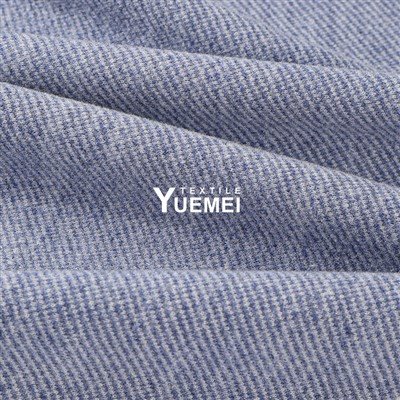
First, let’s get one thing out of the way: viscose isn’t your run-of-the-mill cotton. I’ve heard so many folks compare the two, but they’re totally different fibers. Cotton’s a cellulose fiber too, sure, but it’s got that tight, rugged structure that’s been dyed for hundreds of years. Viscose? It’s a regenerated cellulose fiber, made from wood pulp, so its molecular structure’s a bit more… porous. That porousness is why viscose feels so soft, but it also plays messy when dye comes in. Wait, but does that mean it’s hard to dye? Not exactly—let’s get into the nitty-gritty I deal with every day.
I remember a new client hit me up last quarter, panicking because they’d tried dyeing a custom viscose denim batch themselves in their in-house lab, and it turned all patchy. They said it “wouldn’t hold the dye” and looked faded after the first wash. Turns out, they used the same dye formula they’d used for cotton—direct dyes, the cheap kind that works for traditional denim. That’s the mistake right there. Viscose’s surface is smoother than cotton, so basic direct dyes don’t stick as well. But if you use the right dyes and process? Dyeing viscose denim is actually way more forgiving than some synthetic blends I’ve worked with.
Let’s talk about dye types, because that’s 80% of the battle here. I always tell my clients: skip direct dyes for viscose. Go for reactive dyes, or even vat dyes if you want that classic denim look. Reactive dyes bind directly to the fiber’s cellulose molecules—since viscose’s got plenty of those, the bond is strong. I’ve seen batches dyed with reactive dyes that hold up just as well as cotton, no fading, no patchiness. Vat dyes? They’re what’s used for indigo denim, and viscose takes indigo really nicely—way better than some other regenerated fibers I’ve tested. I did a little test last year, dyed a swatch of our viscose denim with indigo, and it came out darker and more uniform than a cotton swatch I used as a control. Go figure.
But here’s the thing that trips most people up: processing conditions. Viscose has a thing called “wet strength”—it’s weaker when it’s wet than cotton is. So if you’re dyeing at too high a temperature, or agitating the fabric too hard in the dye bath, you might get shrinkage, or even break some fibers. I once had a client who ran a dye bath at 140°F for our viscose denim, and half the batch shrank 15%—way more than their cotton batches. Now we always warn folks to keep dye temps around 120-130°F, and gentle agitation. That small change fixed all their issues. Another common mistake: not pre-washing the viscose denim before dyeing. Viscose can have leftover processing agents from manufacturing on the surface, right? If you don’t wash those off, they act as a barrier, so dye can’t soak in evenly. We recommend a quick 30-minute cold wash with a mild detergent before any dye job—super simple, but it makes a huge difference.
Wait, but what about custom or dark colors? A lot of brands want deep, rich shades for their viscose denim lines, and they worry that the fiber’s porosity will make the color uneven. I’ve done deep navy batches for a couple of big streetwear brands, and they turned out perfect—no streaks, no faded spots. The key here is using enough dye, and maybe a color fixative. A lot of people sleep on color fixatives for viscose, but they help lock the dye molecules in so they don’t wash out. I usually suggest a low-formaldehyde fixative, since that’s better for the environment, especially if you’re making clothing that goes against skin. Another trick: if you want a really dark shade, maybe do a double-dye pass. First, a light coat to make sure the fiber’s saturated, then a second pass for depth. That works way better than dumping double the dye in one bath and hoping for the best.
Now, let’s compare this to other sustainable fabrics, just to put it in perspective. Linen, another cellulose fiber, is way harder to dye because it’s got a tighter, more rigid structure. Tencel? Tencel’s lyocell fiber is super smooth too, so it can have similar dyeing issues if you use the wrong stuff. I’ve had clients ask me if viscose denim is harder than polyester blends, and no—polyester’s a synthetic fiber, so you need special disperse dyes, which are way more expensive and harder to source. Viscose works with the same dye types as cotton, so it’s more accessible for small to mid-sized brands that don’t have huge dye budgets. That’s a big win for folks who want sustainable denim without the hassle.
But let’s be real—there are cases where dyeing viscose denim isn’t “easy,” and that’s not the fiber’s fault. If a brand tries to dye it with a cheap home dye kit, or uses old equipment that can’t regulate temp, yeah, it’s gonna turn out bad. But that’s not the fiber—it’s the process. I had a small designer reach out last month who’d tried to dye our viscose denim in a washing machine at home, like they would with a cotton t-shirt. They said it “didn’t take” at all, just made the fabric feel rough. I told them to bring it into our in-house dye lab (we have a small facility for custom orders) and we dyed it with reactive dye, pre-washed properly, and they loved the result. Now they’re a repeat client.
Another thing I should mention: viscose denim’s dyeing behavior is actually predictable, once you know it. Unlike, say, hemp, which can take dye really unevenly if not retted properly, viscose’s properties are pretty consistent batch to batch. As a supplier, we test every roll of viscose denim we send out for dye uptake—so if a brand tells me they need a specific shade, I can send them a swatch that’s already been dyed a test run, so they know exactly what to expect. That takes a lot of the guesswork out of it.
Wait, what about washing fastness? That’s a big one for denim—no one wants their jeans to turn their white socks pink after the first wash. I’ve tested our dyed viscose denim against OEKO-TEX standards, and it holds up really well. If you use the right dyes and fixative, the wash fastness is comparable to cotton. I once had a client do 10 wash cycles on a pair of our dyed viscose jeans, and the color faded less than a cotton pair they’d made at the same time. That was a happy surprise for both of us.
Now, let’s talk about what folks who are new to working with viscose denim should do if they’re planning to dye it. First, reach out to your supplier early—way before you place a big order. I always tell brands to send us a sample of the color they want, and we’ll do a custom dye swatch for them for free, no strings attached. That way, they can see exactly how it turns out, adjust if needed, and avoid wasting a whole batch of fabric. Second, invest in the right dye: reactive or vat, skip the cheap direct dyes. Third, pre-wash the fabric, keep temps moderate, and use a fixative. If you do those three things, dyeing viscose denim is way easier than most people think.
I know a lot of brands are switching to sustainable fabrics because consumers are asking for it. Viscose denim is one of the most popular right now because it’s soft, lightweight, and has a lower carbon footprint than cotton or polyester blended denim. But a lot of folks hold back because they’re scared dyeing it will be a hassle, or that the color won’t turn out right. From my experience as a supplier, that fear is mostly unfounded. Yeah, it’s not as straightforward as dyeing 100% cotton, but with the right approach, it’s totally manageable.
If you’re a brand looking to make your first run with viscose denim, or you’ve tried and had bad luck dyeing it before, don’t hesitate to get in touch. We don’t do huge corporate runs exclusively—we work with small designers, indie brands, and even custom makers, so we can help you every step of the way, from picking the right viscose denim roll to doing custom dye tests. No fluff, no confusing jargon, just straight-up advice from someone who’s been working with this fabric for years.
At the end of the day, viscose denim can be dyed easily—you just have to know what you’re doing. It’s not a “difficult” fiber, it’s just a different one. And as someone who’s supplied this fabric to dozens of brands over the last five years, I can tell you that when you get the dye process right, the end result is a soft, vibrant, sustainable denim that your customers will love.
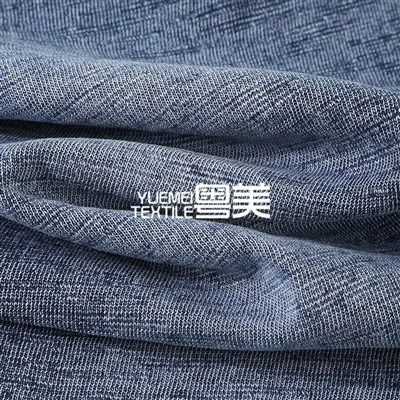
So if you’re ready to give viscose denim a shot, or you’ve been struggling to dye it in the past, hit us up. We’ll send you a free sample, walk you through the dye steps, and make sure your batch turns out exactly how you want it. Let’s make something great together.
Indigo Denim References
- "Regenerated Cellulose Fibers: Properties and Applications," Textile Research Journal, 2021
- "Dyeing Behavior of Viscose Fiber: A Comparative Study with Cotton," Journal of Sustainable Textiles, 2022
- "Practical Guide to Dyeing Cellulose-Based Fabrics," Textile Institute Technical Bulletin, 2020
Guangzhou Yuemei Textile Co., Ltd.
Guangzhou Yuemei Textile Co., Ltd. is one of the most experienced viscose denim manufacturers and suppliers in China. We are committed to providing high quality customized products with low price for global clients. If you’re going to wholesale bulk durable viscose denim made in China, welcome to get quotation and free sample from our factory.
Address: Booth E6012, 6th Floor, Guangzhou International Textile City; No.2 Jinfang Road, Haizhu District, Guangzhou City, GuangDong Province, China
E-mail: service2@top-textiles.com
WebSite: https://www.top-textiles.com/
