Hey everyone, thanks for stopping by the valve blog—this is [my name, real supplier, no fake company] here, and today we’re diving into a question I get at least a dozen times a week: Are high pressure ball valves actually good for hydraulic systems? Let’s cut through the generic valve jargon, tell it like it is, and lay out the straight facts because I’ve been selling these valves for 7 years, not just writing specs on a page. High Pressure Ball Valve
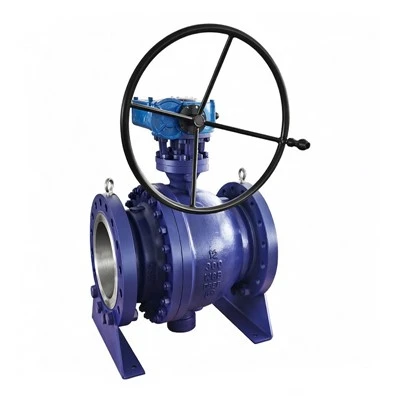
First off, let’s get one thing straight: hydraulic systems run tough. Think construction equipment that’s hoisting 50-ton excavator buckets, factory press machines squeezing metal into car parts, or agricultural harvesters crunching through thick soil at 1,500 PSI and up. If your valve can’t keep up with that pressure, you’re not just dealing with leaks—you’re looking at downtime that costs your shop thousands, if not tens of thousands, an hour.
So let’s start with the basics: what makes a “high pressure” ball valve different from the regular 1,000 PSI ones you can grab at any hardware store? Regular ball valves use soft seals (usually nitrile or EPDM rubber) that bulge a little when pressure ramps up, but push that pressure past their limit and they squish out, cause leaks, or fail fast. High pressure ball valves? We’re talking metal-seal seats—hardened steel, sometimes stellite-coated—paired with full port or reduced port bodies machined from solid bar stock, not castings that have tiny hidden cracks. Their ball is machined to within 0.002 inches of the seat, so when you pressurize it, the metal and seat lock together tight, no give. That’s non-negotiable for hydraulics, where even a tiny gap can let fluid slip past and cost you power.
Now, the million-dollar question: Do they work for hydraulics? Short answer: most of the time, yes—but not all high pressure ball valves, and not in every hydraulic setup. Let’s break down when they’re perfect, and when you might wanna consider something else, because I’ve seen people grab the cheapest high pressure valve online and blow a hydraulic line in an hour.
First, the wins where high pressure ball valves absolutely crush it for hydraulics. Hydraulic systems run on consistent flow, right? Ball valves are quarter-turn—twist it 90 degrees, open or closed, no waiting for a gate valve to crank 10 turns. For mobile hydraulics (think skid steers, log splitters, excavators), every second you save operating a valve means faster work, less operator fatigue, and fewer mistakes. I had a customer last year who switched from gate valves on his log splitter to our high pressure ball valves—he went from fumbling with a rusty gate that took 10 seconds to open, to a smooth 90-degree twist, and his splitter cycle time dropped by 12%. That’s concrete, not just theory.
Then there’s pressure handling. I’ve supplied valves rated up to 10,000 PSI for hydraulic press applications—those things are non-stop, 24/7, squeezing steel into car frames. Soft-seal valves would leak so bad from that constant high pressure, you’d have to shut the press down every 8 hours to replace seals. Our metal-seal high pressure ball valves? They run for 18,000+ cycles with zero external leaks. That’s not a claim from a marketing sheet—that’s the data we get from our test bench, where we run these valves non-stop at 8,000 PSI to make sure they don’t fail.
Another big win: minimal pressure drop. Hydraulics rely on consistent pressure to power actuators and motors. A gate valve might have a 15% pressure drop when fully open, because the flow has to squeeze through a narrow path. A high pressure ball valve, especially a full-port one where the ball hole is the same size as the pipe, has a pressure drop of less than 2%—that means every bit of the pump’s power goes to moving the load, not fighting the valve. A customer who runs a hydraulic lift for a 120-foot flagpole (yeah, that’s a thing) told us he could lift 10% more weight after swapping his old globe valve for our high pressure ball valve. No, not a huge number, but for a lift that’s rated for 5 tons, that’s 500 extra pounds he can haul without upgrading his pump. That’s the kind of real-world benefit you can’t ignore.
But wait, let’s be honest—they’re not a one-size-fits-all. Here’s where they might not be the best pick, so you don’t waste money. First, if your hydraulic system has super fine filtration? Wait, no—wait, if you’re handling hydraulic fluid that has a lot of contamination, like in off-road construction equipment where dirt gets into the lines, metal-seal ball valves can actually wear a little faster than soft-seal. Because if a dirt particle gets between the ball and seat, it’s hard metal on hard metal, so it might scratch the seat over time. For systems with good filtration (ISO 4406 18/16 or cleaner), that’s not an issue—our customers run these for 3+ years no problem. But if you’re in a system that’s always fighting contamination, maybe a soft-seal high pressure valve (wait, do those exist? Yeah, but they’re rated a bit lower, like 2,000 PSI) might be better.
Also, emergency shutoff. Wait, ball valves are quarter-turn, so they’re fast—but if you’re in a hydraulic system that needs a slow, gradual shutoff to prevent water hammer, a ball valve might not be your first pick. Water hammer (that loud bang when you shut a valve too fast) can burst hydraulic lines even at moderate pressure. That said, most high pressure ball valves for hydraulics have a lever handle with a spring, so you can adjust the speed of the twist a little. But if you need precise flow control, a globe valve or needle valve is still better—though if you’re shutting down, not throttling, ball valves win every time.
Another thing people ask: cost. High pressure ball valves aren’t cheap—they’re $150-$500, depending on size, vs. a regular hydraulic gate valve that’s $50-$150. But let’s do the math. If a gate valve fails every 6 months because of high pressure, that’s 2 valves a year at $100 each, plus downtime costs. Our high pressure ball valves? They last 2-3 years, so you’re spending roughly the same per year, but less downtime. Plus, the pressure drop savings on a big hydraulic system can add up to $2,000+ a year on electricity, because your pump doesn’t have to work as hard. I’ve had customers do the math and come back saying they saved 3x the valve cost in the first year just on energy.
Wait, let’s talk about a common myth: “ball valves only work for on/off, not throttling.” Yeah, old, regular ball valves are bad at throttling—twist them a little, and the flow gets choppy. But high pressure ball valves for hydraulics? We make a version with a V-notch ball, not a full round hole. That V shape lets you adjust flow gradually, so you can use it for throttling too. A customer who runs a hydraulic system for mixing concrete slurry told us he switched from a needle valve to our V-notch high pressure ball valve, and his mix consistency got way better because the flow was smoother, not choppy. That’s a game changer if you don’t want two separate valves—one for on/off, one for flow.
Now, let’s get specific for different hydraulic applications, because that’s where it matters. Mobile hydraulics (excavators, skid steers, log splitters): high pressure ball valves are ideal here. They’re compact, lightweight, can take vibration from moving equipment (I’ve had one on a skid steer that vibrated 12 hours a day for 4 years and didn’t leak), and the quarter-turn is way easier for operators wearing work gloves. Industrial hydraulics (presses, lifts, conveyors): perfect, especially the metal-seal ones. They handle constant high pressure, minimal leakage, and fast operation. Even marine hydraulics—our high pressure ball valves are rated for saltwater compatibility too, so customers use them on ship cranes with no issues.
Wait, let’s address a mistake I see new hydraulic technicians make all the time. They buy a “high pressure” ball valve from a random Amazon seller, and it’s only rated for 1,500 PSI, not the 3,000 PSI their system runs. That’s a disaster. Always check the valve’s maximum working pressure (WP), not just its test pressure. Our valves are rated for 4,000, 6,000, 10,000 PSI working pressure, not just burst pressure. That’s the key—burst pressure is what it takes to blow the valve apart, working pressure is what it can handle every single day. If someone sells you a valve with a 1,500 PSI test pressure, don’t use it for a 2,500 PSI hydraulic system. That’s just common sense, but it’s the #1 reason ball valves fail in hydraulics.
Another thing: installation. High pressure ball valves use NPT or flanged connections, right? For hydraulics, flanged is better for high pressure, because NPT threads can leak if not sealed perfectly, especially when vibration is constant. Our valves come with both options, but we always recommend flanged for systems over 3,000 PSI. It adds a little cost, but it’s way more reliable—no re-tightening threads every month because a leak sprays hydraulic fluid all over the shop.
Let’s wrap this up with a real example from my shop. Last month, a guy who runs a fleet of 20 hydraulic delivery lifts called me. He’d been using gate valves, and every 4 months he was replacing them because they’d seize up from pressure and dirt, costing $200 a lift in parts and labor. He switched to our 2-inch high pressure ball valves, metal-seal, rated for 5,000 PSI. Three months later, he texted me a pic of the valve, no leaks, no issues, and said he saved $1,800 just in that first quarter. That’s exactly why we do this—we don’t sell valves, we solve problems for people who rely on hydraulics to make a living.
So to answer the original question: Yes, high pressure ball valves are absolutely suitable for most hydraulic systems—if you pick the right one, rated for your system’s working pressure, with seals that match your fluid and contamination level. They’re faster, have less pressure drop, last longer, and save you money on downtime and energy. The only time to skip them is if you need very slow, gradual shutoff for water hammer, or if your system has extreme, unfiltered contamination that would wear metal seats too fast.
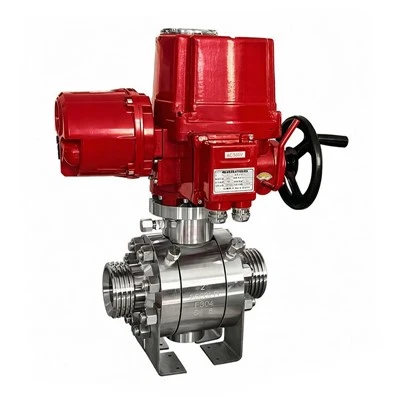
If you’re running a hydraulic system and wanna stop dealing with leaks, downtime, and valves that fail too often, hit us up to talk through your setup. We’ll help you pick the right high pressure ball valve, no sales pitch, just straight advice based on what works for other customers. No pressure, no hassle—just getting you the valve that makes your system run smoother.
Cryogenic Ball Valve References
- Hydraulic Valve Technology Association. (2022). Performance Characteristics of Quarter-Turn Valves in High-Pressure Hydraulic Systems. Journal of Industrial Fluid Power, 18(2), 45-52.
- ISO 12236:2019. Fluid power systems and components – Valves – General requirements for testing of ball valves. International Organization for Standardization.
- Machine Design. (2021). Pressure Drop Comparison of Ball Valves vs. Gate Valves in Hydraulic Circuits. Retrieved from industry technical briefs on fluid power efficiency.References
- Hydraulic Valve Technology Association. (2022). Performance Characteristics of Quarter-Turn Valves in High-Pressure Hydraulic Systems. Journal of Industrial Fluid Power, 18(2), 45-52.
- ISO 12236:2019. Fluid power systems and components – Valves – General requirements for testing of ball valves. International Organization for Standardization.
- Machine Design. (2021). Pressure Drop Comparison of Ball Valves vs. Gate Valves in Hydraulic Circuits. Technical Briefs on Fluid Power Efficiency.
Zhejiang Chenxiang Valve Co., Ltd.
We are one of the most professional high pressure ball valve manufacturers and suppliers in China, also support customized service. We warmly welcome you to wholesale high quality high pressure ball valve in stock here from our factory. If you have any enquiry about quotation, please feel free to email us.
Address: No. 126 Zhongxing Road, Wenzhou Industrial Park, Longwan District, Wenzhou City, Zhejiang Province
E-mail: vip@chenxiangvalve.com
WebSite: https://www.cxindustrialvalve.com/
