If you’ve ever driven past a construction site where workers are pouring tall, smooth concrete pillars—think the foundations of a highway overpass, the columns of a multi-story parking garage, or the piers that hold a bridge above a river—you might have wondered how those perfect, cylindrical shapes come to be. Long before concrete is poured, there’s a quiet, unsung tool making it all possible: the steel cone template. As a steel cone supplier who’s been working with construction teams and engineers for over 12 years, I’ve seen first-hand how this specialized piece of equipment isn’t just a “template”—it’s the backbone of structural integrity for so many projects we rely on every day. Steel Cone
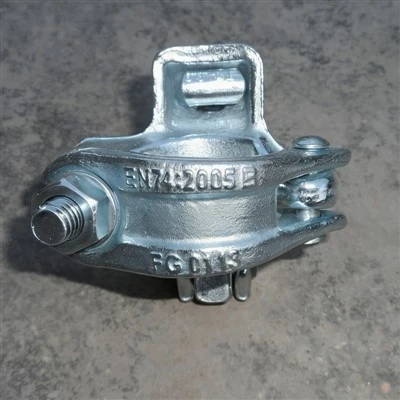
Let’s start with the basics: what exactly is a steel cone template? Put simply, it’s a hollow, steel-fabricated mold designed to shape wet concrete into a tapered or cylindrical (conical) form that becomes a permanent structural element, or formwork that’s removed once the concrete cures. Unlike wooden or plastic formwork that’s often disposable or one-use, a steel cone template is engineered for repeat use, durability, and precision. It’s constructed from thick, galvanized steel sheets, welded along tight seams to eliminate leaks, reinforced with internal ribs or rings to prevent warping under the weight of wet concrete, and finished with a smooth interior surface to ensure the concrete doesn’t stick. The “cone” part comes from its tapering shape—most are wider at the top and narrower at the bottom, a design that makes stripping (removing the template) much easier once the concrete has set.
Wait, why taper? That’s a question I get from new engineers and site foremen all the time, and the answer boils down to physics and practicality. When wet concrete cures, it expands slightly as it hardens, and a tapered shape creates just enough clearance between the concrete’s outer wall and the template’s interior to let the mold slide off without damaging the finished surface. A straight-sided cylinder would trap the concrete as it cures, leading to cracks, chips, or even structural failure if the force of removal distorts the pillar. For tapered elements like bridge piers, the shape also serves a purpose beyond formwork: wider at the top to support heavy decks, narrower at the bottom to reduce material use without compromising load-bearing strength, and streamlined to resist erosion from water or debris.
Now, let’s get into the science that makes a steel cone template different from other formwork materials. Wooden formwork is cheap, but it absorbs moisture from wet concrete, warps, and breaks after just a few uses—even treated plywood only lasts 5 to 10 pours before it’s too damaged to use. Plastic formwork is lighter, but it’s brittle, can’t handle the heavy loads of large concrete pours (think a 50-foot pier that holds 100 cubic yards of concrete), and degrades in direct sunlight over time. Steel, on the other hand, has a tensile strength that’s unmatched for formwork: a well-built steel cone template can withstand 50, 100, even 200 pours before it needs repairs, and its non-porous, smooth interior produces a concrete surface that’s already finished—no need for extra grinding or sanding later. That saves construction teams thousands of dollars in labor and material costs over the life of a project.
But it’s not just the steel itself that matters— it’s the engineering of the template that makes it effective. A good steel cone template is custom-fabricated to the exact specifications of a project, because one size never fits all. For a small residential project, you might need a 12-inch diameter, 8-foot tall template for a porch pillar. For a highway bridge, you might need a 10-foot diameter, 60-foot tall template that can support the weight of wet concrete without sagging. We work closely with civil engineers to calculate the required steel thickness, rib spacing, and taper angle based on factors like the concrete mix’s slump (how fluid it is), the height of the pour, and the expected load on the finished structure. For example, a high-slump concrete mix (used for tall pours) needs a sturdier template with closer internal ribs to prevent bulging, while a low-slump mix for small pillars can use thinner steel and wider rib spacing.
Another key feature of a professional-grade steel cone template is its modular design. Most templates aren’t a single, solid piece—they’re made of two or more interlocking steel panels that are bolted together on-site. That makes transportation way easier: a 60-foot tall cone can be split into 10-foot sections that fit on a standard flatbed truck, instead of requiring a special oversize load permit. On-site, crews can erect the panels, secure them with external bracing, and ensure the seams are tight enough to prevent concrete slurry from leaking out— a common headache with poorly made templates. We also add lifting lugs to the top and bottom of each section, so cranes can move the heavy template into place without damaging the steel or the concrete inside.
Let me walk you through a real example of how a steel cone template is used, because seeing it in action makes the purpose crystal clear. A few years back, we supplied steel cone templates for a $120 million highway expansion project in the Pacific Northwest. The project required 128 bridge piers, each 55 feet tall and tapering from 8 feet at the base to 6 feet at the top. The engineers specified steel templates because the project had a tight timeline—only 18 months to complete—and steel’s repeat-use capability cut down on the number of templates needed (we supplied 12 total, each used 11 times for different piers).
Here’s the step-by-step process the crew followed: First, they dug deep footings for each pier, reinforcing them with rebar. Next, they set up the modular steel cone template around the rebar cage, bolting the panels together and bracing the outside with steel beams to keep the template steady while pouring. Then, they pumped low-slump concrete into the template in 2-foot lifts, allowing each layer to partially cure before adding the next— that prevents the weight of wet concrete below from pushing against the template too hard, which could cause bulges. After 72 hours, the concrete was hard enough to strip the template: because of the 1.5-degree taper (wider at the top), the crew used a hydraulic jack to slide the template straight up off the concrete, leaving a flawless, smooth pier ready to support the bridge deck. The crew saved an estimated $45,000 in rental and disposal costs by using our reusable steel templates, compared to if they’d used disposable plywood forms.
Now, let’s talk about common misconceptions I hear all the time. Some people think steel cone templates are only for large, industrial projects—but that’s not true. We’ve supplied small, custom steel cone templates for residential builders adding decorative concrete pillars to front porches, for farmers building silos, even for artists creating large-scale concrete sculptures. The size can be as small as 12 inches in diameter and 4 feet tall, or as large as 12 feet in diameter and 80 feet tall—if it’s a tapered concrete element, a steel cone template is often the best choice. Another misconception is that steel templates are too expensive upfront. While a single steel template costs more than a plywood one, the total cost over time is way lower. A plywood template might cost $500 per use, while a steel template costs $2,000 upfront but can be used 100 times, bringing the per-use cost to $20. That adds up fast for large projects.
As a supplier, we’ve also learned that quality control is non-negotiable when it comes to steel cone templates. A template that’s poorly welded, has uneven rib spacing, or a taper angle that’s too shallow can lead to all kinds of problems: leaks that leave unsightly stains on the concrete, bulges that make the pillar too wide, or even template sticking that damages the concrete surface. That’s why every template we fabricate goes through three checks: first, our welders inspect each seam for gaps or weak spots. Second, our engineering team measures the diameter, height, and taper angle against the project specifications using laser tools, to ensure accuracy within 1/8 of an inch. Third, we do a test assembly on our yard to make sure the panels interlock smoothly and the bracing fits correctly before it leaves our facility. We stand behind every template we supply— if there’s a defect, we’ll fix it or replace it, no questions asked.
Another thing I’ve noticed over the years is the growing demand for eco-friendly construction materials, and steel cone templates check that box too. Unlike disposable formwork, which ends up in landfills after one use, a steel template can be reused for decades, and when it’s finally at the end of its life, it’s 100% recyclable. That cuts down on waste a huge amount—for the highway project I mentioned earlier, 12 wooden templates would have generated over 10 tons of waste, while the steel templates we supplied were recycled at the end of the project and turned into new steel products. That’s a big selling point for contractors who are focusing on green building practices.
Now, if you’re a civil engineer, construction project manager, or builder who’s planning a project that involves tapered concrete elements— piers, pillars, silos, bridge abutments—you might be wondering if a steel cone template is the right fit for your needs. The short answer is: if you need a durable, reusable, precise formwork that saves money and time over the long run, yes. But every project is different, which is why custom consultation is key. For example, a project in a coastal area with high humidity might need extra galvanization on the steel to prevent rust, while a project in a cold climate might need sturdier bracing to handle winter weather conditions.
I’ve been in this industry long enough to know that even the smallest piece of equipment can make or break a project. A bad formwork can delay a pour, waste material, and lead to structural issues that cost years of headaches, while a good steel cone template lets crews work efficiently, produce high-quality concrete elements, and stay on budget. That’s why my team and I don’t just sell templates— we work with our clients to understand their project needs, fabricate a template that fits those needs exactly, and provide support throughout the life of the template, whether that’s repairs, modifications, or advice on installation and stripping.

If you’re currently working on a project where you need tapered concrete elements, and you’re looking for a reliable, durable steel cone template, I’m here to help. We can walk through your specifications, answer any questions you have about materials, engineering, or installation, and provide a custom quote tailored to your project size and timeline.
Formwork Clamp References
- Construction Industry Institute. (2018). Formwork Best Practices for Concrete Structures. University of Texas at Austin.
- American Society of Civil Engineers. (2020). Structural Formwork Standards for Bridges and Buildings. ASCE Press.
- Steel Tube Institute. (2019). Reusable Steel Formwork: Cost and Sustainability Analysis. Steel Market Development Institute.
Rizhao Wellfit Scafform Co., Ltd.
As one of the most professional steel cone manufacturers and suppliers in China, we have world-leading production equipment and strong manufacturing capabilities. Please feel free to buy high quality steel cone at competitive price from our factory.
Address: No.7, Huasheng Road, Taoluo Town Industrial Zoon, Donggang District, Rizhao City
E-mail: sales@wfscafform.com
WebSite: https://www.wfscafform.com/
