If you’ve ever unpacked a disposable face mask, a grocery produce bag, a hospital surgical gown, or even a coffee filter, you’ve held a product made with non-woven fabric—but you probably didn’t stop to think about how that fabric’s weight directly impacts its performance, cost, and purpose. For my team at a custom GSM non-woven fabric supplier, that weight measurement—called grams per square meter, or GSM—is the foundation of every project we take on, and it’s what sets custom orders apart from the one-size-fits-all rolls you’ll find at big-box hardware stores or random online marketplaces. Custom GSM Non-woven Fabric
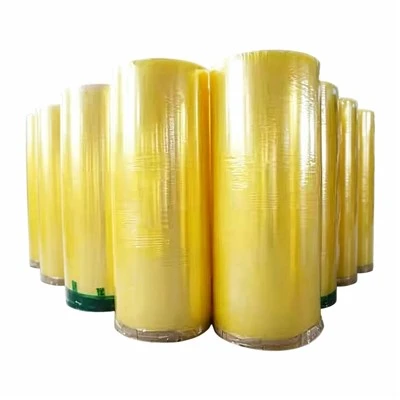
Let’s start with the basics, because GSM can feel like jargon if you’re not familiar with textile manufacturing basics. GSM is the standard global unit used to measure the mass of a fabric, defined as how many grams one square meter of the material weighs. For non-wovens—fabrics made by bonding fibers together instead of weaving or knitting them (a process that makes them cheaper, faster to produce, and versatile for hundreds of uses)—GSM isn’t just a number. It’s a direct predictor of strength, breathability, absorbency, durability, and even how soft the material feels against skin. A 10 GSM non-woven, for example, is extremely lightweight, thin, and disposable, like the thin interlining in a cheap grocery produce bag. A 100 GSM non-woven, by contrast, is thick, tough, and strong enough to hold heavy produce without tearing, or durable enough to be used multiple times for cleaning cloths.
But here’s the thing: most people don’t need a generic GSM non-woven off the shelf. A small business making cloth face masks might need a 30 GSM middle layer that blocks droplets but still lets air pass through, without feeling heavy or hot. A veterinarian making disposable exam gowns needs a 40 GSM fabric that repels liquids to protect patients, but is light enough for vets to move easily during procedures. A craft brand making tote bags for farmers markets might want a 60 GSM fabric that’s thick enough to hold a full gallon of milk and a loaf of bread, but soft enough to print a logo on without cracking. That’s where custom GSM non-woven fabric comes in: it’s tailored to your exact needs, not a pre-set GSM level that works for average uses.
As someone who’s been in this industry for 12 years, I’ve worked with thousands of clients—from small startup founders just testing a product idea to large industrial manufacturers filling bulk orders—and the most common mistake new buyers make is assuming “thicker is better.” I once had a startup owner come to me last year, eager to make a heavy-duty cleaning wipe, who asked for a 150 GSM fabric because he thought it would be the toughest possible. But when we tested it, that high GSM fabric was too dense to absorb liquid fast enough for a cleaning wipe; it would sit on top of a spill instead of soaking it up, and it cost 20% more than the 80 GSM fabric that worked perfectly for his design. That’s the value of custom: we don’t just pick a number, we test what works for your specific end use.
How do we get that custom GSM, anyway? Non-woven fabrics are made from a mix of fibers—polypropylene, polyester, viscose, even recycled cotton—and the GSM is controlled by two key factors: how much fiber we lay down during the web formation process, and how tightly we bond those fibers together. For example, if a client wants a 25 GSM face mask layer, we lay down a very thin web of polypropylene fibers, bond them lightly with heat or a chemical adhesive, and end up with a lightweight, breathable fabric. If another client wants a 120 GSM heavy-duty landscaping weed barrier, we lay down a much thicker web of polypropylene, use a stronger thermal bonding process to make the fibers interlock tightly, and end up with a stiff, tear-resistant fabric that blocks weeds without letting water pass through.
What makes custom GSM different from just ordering a pre-cut roll of a certain GSM is flexibility for your unique product. Let’s say you’re a pet supply brand making disposable dog pads. A standard 50 GSM pad works for most people, but if you sell extra-large pads for Great Danes, you might need a 70 GSM top layer to hold more liquid without leaking through. If you sell luxury cat pads for multi-cat households, you might add a thin layer of bamboo fibers and adjust the GSM to 60, so it’s soft for sensitive cat paws but still absorbent enough for multiple accidents. Those small tweaks to GSM turn a generic product into something that stands out in a crowded market.
I also want to talk about sustainability, because that’s a big topic right now for my clients. A lot of people think higher GSM is more wasteful, but custom GSM lets you avoid overbuying material you don’t need. For example, a disposable medical gown manufacturer might have previously ordered a standard 50 GSM gown, but through testing, they find a 40 GSM gown works just as well for low-risk procedures, cutting their material use by 20% and reducing their carbon footprint from production and shipping. We can also adjust fiber type alongside GSM: if a client wants a lightweight fabric for baby wipes, we can make a 30 GSM fabric from 100% viscose (a natural, biodegradable fiber) instead of polypropylene, which is plastic-based, without sacrificing the custom GSM they need for absorption and softness.
Of course, there are limits to what custom GSM can do, and it’s important to work with a supplier who understands those boundaries. For example, you can’t make a non-woven fabric that’s less than 10 GSM and still have it hold its shape—you’d end up with a flimsy, unusable material that falls apart when you touch it. On the higher end, GSM over 200 is usually more like a lightweight fabric or thin felt, and is often woven or knitted instead of non-woven. A good supplier will walk you through those limits, and help you find the sweet spot that balances performance, cost, and durability for your product.
I’ve seen firsthand how a custom GSM fabric can make or break a product. A few years back, a small craft brand came to me to make custom tote bags for a local farmers market. They initially tried to use a standard 50 GSM non-woven, but their customers complained the bags were too thin, tore when people loaded up on produce, and the logo print faded after a few uses. We worked with them to adjust the GSM to 75, added a small amount of polyester to make it more durable, and tested different bonding methods to make the print stick. The redesigned tote sold out in three weeks, and the brand still orders from us for every new collection. That’s the magic of custom GSM: it’s not just about a number on a spec sheet, it’s about solving a specific problem for your product.
If you’re reading this, chances are you have a product in mind that needs a non-woven fabric, and you’re tired of settling for off-the-shelf options that don’t quite work. Maybe you’re a restaurateur looking for custom disposable napkins that are strong enough for messy burgers, but not so thick they feel wasteful. Maybe you’re a textile designer making a new line of eco-friendly home decor items, and you need a fabric that’s lightweight enough to drape but durable enough to last. Maybe you’re a school district looking for custom cleaning cloths that are safe for kids’ classrooms and don’t fall apart after a week of use. Whatever your project is, custom GSM non-woven fabric is tailored to fit your exact needs, not a one-size-fits-all standard.
I don’t want this to feel like a sales pitch, but here’s the thing: there are a lot of suppliers out there that will sell you a pre-made GSM fabric without asking a lot of questions about your end use. The best custom GSM non-woven fabric suppliers will ask you about what you’re making, how your product will be used, if it needs to be disposable or reusable, if it needs to repel water or absorb it, and what your budget is. They’ll provide sample swatches so you can test the GSM and feel the fabric before placing a bulk order, and they’ll adjust the GSM or fiber mix if the first sample doesn’t work.
At the end of the day, non-woven fabric is everywhere, but most people don’t think about the small details that make a product work well. The next time you use a cleaning wipe that picks up spill without tearing, or a mask that’s breathable but blocks germs, or a tote bag that holds all your groceries without breaking, take a second to think about GSM. That number is what makes the fabric work for your needs, and customizing it is the easiest way to make your product stand out.
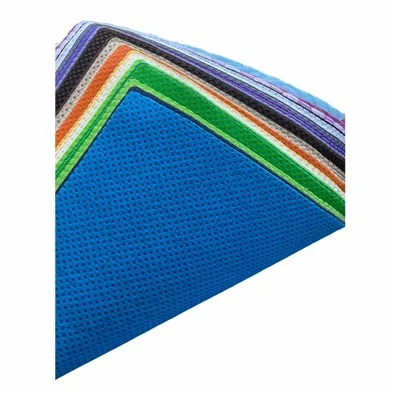
If you’re ready to talk through your project, need sample swatches to test different GSM levels, or have questions about what custom non-woven fabric can do for your product, I’d be happy to hop on a call or email with you to walk through the process. There’s no such thing as a too-small or too-large project when it comes to custom GSM—whether you need a 50-yard sample run or a 10,000-yard bulk order, we’ll work with you to find the perfect fit.
PP Non-woven Fabric References
- Textile Institute. (2020). Non-Woven Fabrics: Technology and Applications. Textile Institute Press.
- ASTM International. (2019). Standard Test Method for Mass Per Unit Area (Grammage) of Textile Fabrics. ASTM D3776/D3776M-19.
- Zhang, L., & Liu, H. (2021). Customization of Non-Woven Fabrics for Consumer and Industrial Applications. Journal of Industrial Textiles, 50(8), 1124-1141.
- Sustainable Textile Initiative. (2022). GSM Optimization for Reducing Textile Waste in Disposable Products. STI Report Series.
Zhejiang Guowang Packaging Co., Ltd.
Zhejiang Guowang Packaging Co., Ltd. is one of the most professional custom gsm non-woven fabric manufacturers and suppliers in China, featured by quality products and low price. Please rest assured to buy customized custom gsm non-woven fabric made in China here from our factory. Also, pricelist is available.
Address: Youbu Town, Lanxi City, Zhejiang Province, China
E-mail: Nicole@guowangtape.com
WebSite: https://www.guowangtape.com/
