Hey there, I’m Jake, one of the guys on the team here at our abrasive pads supply spot – you know, the one you might’ve stumbled on looking for straight talk, not just jargon. I get it, if you’re here right now, you’re probably scrolling because you’ve heard the term “abrasive pads” thrown around but you’re not 100% sure what they actually do, or if they’re something you need for that project you’ve got lined up. Let’s cut the corporate fluff and get real about these little workhorses – no stuffy bullet points, no weird industry buzzwords that make your head spin. Abrasive Pads
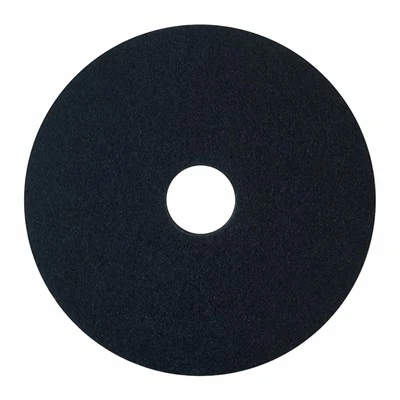
First off, let’s knock the basics out so we’re on the same page. Abrasive pads aren’t just those scouring pads you keep under your sink to scrub burnt pizza pans (though we all use those for that, let’s be honest). The ones we supply are designed way tougher: they’re made with gritty mineral particles (think aluminum oxide, silicon carbide – not the fluffy stuff) bonded to a flexible, porous backing, usually something like nylon or polyester. That grit is key here – it’s what makes them cut, smooth, or grind, way more controlled than a belt sander or a brute-force angle grinder that can end up gouging your material if you’re not careful. But let’s dive into where these bad boys actually get used, because that’s the part most folks don’t realize is way broader than just a kitchen cleanup.
Let’s start with the stuff most of us interact with every single day: metal fabrication and maintenance. If you’ve ever gotten a rusty bike chain off, or buffed out a scratch on a stainless steel fridge, or prepped a metal fence before painting, you’ve basically been touching what abrasive pads do. Wait, let’s break that down. For welders – that’s a big one. When you finish welding two pieces of steel, you’ve got that lumpy, spiky “weld bead” leftover, plus all that sharp slag (the crumbly black gunk) stuck to the edges. A random wire wheel can sometimes leave tiny metal shavings or scratch marks that rust later, but abrasive pads? They smooth that weld bead right down without eating away too much of the base metal. We’ve got contractors who work on industrial pipelines swearing by this – they use our 80-grit pads to knock down heavy rust on pipe exteriors, then switch to 220-grit to get the surface smooth enough for their next round of coating. And don’t get me started on automotive shops – my cousin runs a small body shop, and he only uses abrasive pads (not sandpaper sheets, not power tools that are too aggressive) to get old paint off car panels. Why? Because they conform to the curves of a fender or a door way better than a rigid sheet of sandpaper, so he doesn’t end up with weird uneven spots he has to fix later.
Next up: woodworking and furniture making. I know, I know – woodworkers usually grab sandpaper, but wait a second – abrasive pads are a game-changer here, especially for finishing work. Let’s say you’re refinishing an old oak dining table. Sandpaper can clog super fast with wood dust, especially soft woods like pine, so you’re constantly switching sheets. Our non-woven abrasive pads? The porous backing lets wood dust fall right through, so they last 3x longer than regular sandpaper. I’ve seen hobbyists and pro cabinet makers alike use 120-grit to knock down old finish, then 240-grit to smooth out the scratches from the first pass, then even 400-grit for that super-smooth prep before stain. And here’s the trick most people don’t know: for curved wooden pieces – like chair legs, or ornate cabinet carvings – abrasive pads bend way easier than sandpaper, so you don’t have to sand by hand and risk leaving flat spots. A lot of small furniture makers I’ve talked to swear by this because it’s way less messy than using a power sander that kicks dust everywhere.
Then there’s the less obvious stuff: surface prep for countertops, tile, and even stone. If you’ve ever had a quartz countertop installed, the guys fitting it probably used a fine-grit abrasive pad to buff out the tiny saw marks left from cutting the slab. Same with tile – if you’re tiling a bathroom floor and need to rough up the surface so tile glue sticks, abrasive pads do that without scratching the tile’s face (which is super important, you don’t want random scuffs on your new bathroom tiles). We also supply pads for concrete work – not the big industrial grinders, but the smaller, handheld pads for DIYers or contractors who need to touch up small concrete spots, like patching a driveway crack. Coarse grits knock down uneven concrete, medium grit smooths it, and fine grit gives it that matte finish you want before sealing. That’s actually one of my favorite uses because it’s so accessible for people who don’t have a huge workshop – you can grab a small handheld pad, a bit of water if it’s wet, and get that concrete looking good in an hour.
Wait, let’s not skip the industrial cleaning and maintenance side, because that’s where a lot of our bulk orders come from. Think of restaurants, food processing plants, breweries – places where you have to clean heavy-duty equipment but can’t use harsh chemicals or abrasive tools that leave metal shavings behind. Abrasive pads are perfect here. I’ve got a client who runs a craft brewery, and they use our 180-grit pads to scrub the inside of fermentation tanks. Why? They cut through the built-up yeast and mineral deposits without scratching the tank walls, which is a food safety no-no. Same with commercial kitchens – they use these pads to clean grill grates, fryer pots, and stainless steel sinks. Way more effective than a sponge, way gentler than a wire brush that leaves little wires in your food. We’ve even had guys from pharmaceutical plants reach out for the same reason – they need to clean equipment that comes into contact with meds, so no foreign particles allowed, and abrasive pads check that box.
Now, let’s talk about how to pick the right one, because I get that can be overwhelming. Grit size is everything, and let’s keep that simple: lower number = coarser, cuts fast. Higher number = finer, smooths or polishes. If you’re removing heavy rust, weld beads, or old thick paint, go 36, 60, or 80-grit. For light sanding, removing light scratches, or prepping for stain/paint, 120 to 240-grit. For buffing, polishing, or getting a super-smooth finish, 320 to 600-grit. And don’t forget backing – if you’re using a power tool (like a rotary sander or angle grinder), you need a pad that’s designed to attach to a tool, usually with a hook-and-loop backing (that’s the fuzzy side that sticks to the sander). If you’re using it by hand, a flexible, no-backing pad works better because it bends easier.
Wait, let’s address a common question I get all the time: “Are abrasive pads better than sandpaper?” It depends on the job, full stop. Sandpaper is rigid, so it’s great for flat surfaces and lasts a long time if you’re not dealing with soft materials. But abrasive pads conform to curves, don’t clog as fast, and don’t leave random scratches on delicate surfaces. For example, if you’re sanding a curved chair leg, there’s no contest – the pad is way better. If you’re sanding a flat 2×4 for a deck, sandpaper might be cheaper for bulk. I always tell folks: think about what you’re working on, and how much control or flexibility you need.
Another thing I love about our abrasive pads is how versatile they are. We’ve had farmers use them to sharpen plow blades – wait, that’s a random one, but it works! A coarse-grit pad knocks down the dull spots, a fine one sharpens the edge, no need for a heavy grinder that can overheat the metal and ruin the blade. We’ve also had boat owners use them to remove barnacle residue from small boat hulls – way gentler than a power sander that can scratch fiberglass. It’s crazy how many random uses people find for these things once they start thinking outside the box.
Now, let’s get real about why we’re here – we’re a supplier, and we don’t just sell pads, we get that you need the right ones for your job, not just a random box. A lot of times, folks buy cheap abrasive pads online, and they wear out in 5 minutes or scratch the material they’re working on. Our pads are made with high-grade minerals, so they cut evenly and last way longer than the cheap stuff. We’ve got options for every job: handheld pads, tool-attached pads, different grits, even pads for wet use (perfect for concrete or tile work where you need water to keep dust down). No matter if you’re a DIYer working on a weekend project, a small contractor, or a big industrial facility, we’ve got something that fits.
If you’re reading this and you’ve got a project in mind – whether it’s refinishing a table, prepping metal for painting, cleaning a commercial kitchen, or anything else you think abrasive pads might help with – don’t overthink it. We’re here to help you pick the right pad, not push the most expensive one. Just reach out to our team, we’ll walk through your needs, answer any questions you have, and get you the pads you need to get the job done right.
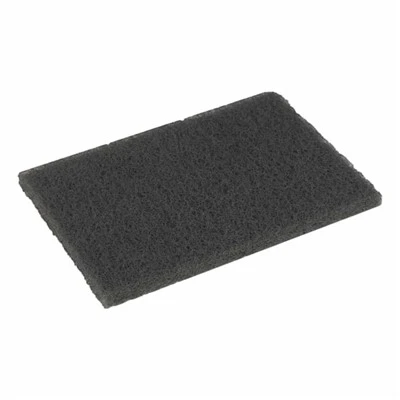
Wait, let me wrap this up without being too salesy. At the end of the day, abrasive pads aren’t just a random industrial supply – they’re one of those tools that makes a messy, tedious job way easier, and gives you a better finish. I’ve seen guys go from stressing over a rusty fence to having it look like new in an afternoon, thanks to the right abrasive pad. I’ve seen furniture makers turn old, scratchy tables into family heirlooms. That’s what it’s about. If you’re ready to stop guessing and get the right abrasive pads for your next project, get in touch with our team to talk through your needs.
Scrub Sponges References
- American Society of Mechanical Engineers. (2021). Abrasive Tools and Surface Finishing Standards. ASME International.
- Woodworking Network. (2022). Surface Prep Tools: Comparing Abrasive Pads vs. Sandpaper for Furniture Refinishing. Woodworking Network.
- Food and Drug Administration. (2020). Sanitation of Food Contact Equipment: Abrasive Material Guidelines. U.S. FDA.
- Tile Association of America. (2021). Surface Preparation for Tile Installation: Abrasive Pad Best Practices. TILE Council.
Guangzhou YION New Material Technology Co., Ltd.
As one of the most professional abrasive pads manufacturers and suppliers in China, we offer a wide range of products with superior quality. Please feel free to buy customized abrasive pads made in China here from our factory. Also, quotation is available.
Address: Room 110, Building 2, No.2 Jinhuan Street, Nansha District, Guangzhou City, Guangdong Province, China.
E-mail: info@yiontech.cn
WebSite: https://www.yionpads.com/
