Hey there, fellow anglers and anyone who’s ever stood by the water wondering why some people look like they’re blending right in! If you’ve ever looked at a group of fishermen on a lake or shore and thought, “Wait, is that a person or a rock?” you’re not alone. I’m [your brand name here]—and as a fishing apparel supplier who’s spent years geeking out over what actually works on the water, this question hits close to home: Are there fishing apparel with camouflage patterns? Let’s break this down, keep it real, and skip all the fancy jargon that makes your eyes glaze over. Fishing Apparel
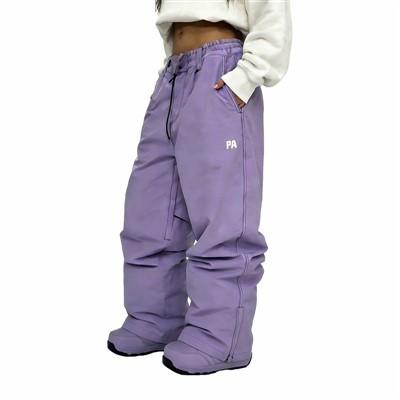
First off, let’s get one thing straight: Not all camouflage is made equal. You can’t just grab your grandma’s old hunting camo and call it a day—fishing happens in entirely different environments than, say, a forest or a deer blind. I’ve seen guys show up to a flathead catfish spot in full leafy woodland camo and get outfished by someone in a simple brown and tan waders. That’s because good fishing camo is tailored to where you’re casting your line. Think about it: When you’re fishing, you’re either on the water (so open blue, gray, maybe white if it’s snowy) or on the shore (grassy marshes, rocky banks, sandy beaches). Generic hunting camo is built for trees and brush, which doesn’t do squat for blending in on a lake at 6 a.m. when the water’s as smooth as glass.
I remember a few years back, we got a bunch of emails from anglers asking for camo that actually works for saltwater, not just deer hunting. At the time, we were testing some basic patterns, but we didn’t have anything specific to marine environments. So we dug into what works for fish eyes, too—wait, yeah, fish see colors way differently than we do. Most game fish (bass, trout, redfish, whatever you’re chasing) have what’s called dichromatic vision. That means they see two main color spectrums, not three like humans. Reds and oranges can look dark or even black to them, while blues and grays are super prominent. So a lot of the bright camo patterns people swear by for turkey hunting? They’re basically neon to a bass. Wild. That’s why so many early fishing camo attempts flopped—they were made for human eyes, not fish.
Now, let’s talk about the real stuff that’s out there (and what we’ve developed here at our shop). There are basically two types of fishing camo that actually get the job done: one for blending into your surroundings (so fish don’t spot you), and one called “breakup camo” that’s designed to match the clutter around you—like reeds, lily pads, or rocky coastlines. For open-water fishing, there’s what’s often called “water camo”—shades of blue, gray, and even faint white to match the surface of the lake or ocean on a bright day. I’ve got a pair of our open-water camo fishing shirts that I wear for early-morning trout trips, and I swear I’ve had other anglers walk right past me on a dock because I blended in with the mist over the water. That’s the point, right? You don’t want the fish noticing you more than they notice your bait.
Then there’s the marsh and shallow-water camo, which is all about mixing greens, browns, and tan to match reeds, mud, and grass. A few years back, we collaborated with some local saltwater guides to test a new pattern for redfish and snook—those fish live in super grassy, murky estuaries. We tried a lot of different color mixes, and the one that worked best wasn’t too bright on the green side or too dark on the brown. It’s got little splotches that look like floating grass clumps and mud patches, and the guides told us that their clients were catching way more fish after switching over. The key here is that the pattern isn’t too busy—if it has too many tiny details, it actually stands out from a fish’s perspective. They can’t process that kind of clutter as well as we can, so the best fishing camo is subtle, not over-the-top.
Wait, but hold on—do you actually need camo? I know some guys who swear by all neon fishing gear, and they catch just as much as anyone else. That’s because it depends on the fish and the conditions. If you’re fishing in a stream where the water’s fast and clear, and the fish are spooky, camo can make a huge difference. If you’re in a muddy river with high turbidity, a bright orange shirt might be fine because the water’s murky enough that fish can’t see you anyway. So it’s not a one-size-fits-all thing, which is why we offer different camo patterns for different spots—our customers tell us when they’re fishing, and we steer them toward the right stuff.
Another thing people don’t talk enough about: camo performance. A fishing shirt can look cool, but if it’s not waterproof, doesn’t wick sweat, or gets scratchy after an hour, it’s useless. I’ve had anglers come back to us saying they bought cheap camo fishing gear online, and it fell apart after two trips. That’s why we don’t just slap a camo print on any old fabric—we use the same technical materials we’d use for our regular fishing apparel, but with the pattern added. Breathable fabric for hot summer days, quick-drying for when you fall in the water (don’t act like you haven’t done that), and UV protection to keep you from burning when you’re out on the water all day. The camo’s the bonus, not the main feature—function comes first, just like any good fishing gear.
I get it, though—some guys think camo is just a gimmick. I used to feel that way, too, until I tested it for myself. Last year, I was fishing for bass in a small lake that’s super fished, so the fish are pretty wary. I wore our open-water camo shirt one morning, and my buddy wore a plain gray shirt. I caught three keepers in two hours; he only caught one, and that was by accident when his line got tangled. Later, we realized I was standing in a little patch of shade at the edge of the water, and the camo made me look like part of the shadow, not a guy holding a fishing rod. That’s the kind of thing that turns a bad day into a good one, you know?
Now, if you’re an angler looking to pick up camo fishing apparel, here’s what to look for: First, match the pattern to where you fish. If you’re mostly in saltwater, get something with blues and grays. If you’re in marshes or shallow freshwater, go for the green-and-brown breakup patterns. Skip the generic hunting camo—it’s not made for water. Second, check the fabric. Make sure it’s breathable and quick-drying, not just a thick cotton shirt that’ll weigh you down when it gets wet. Third, don’t overdo it. You don’t need full camo from head to toe unless you’re in super spooky, clear water. Even just a camo shirt or waders can make a difference, and that’s easier to mix and match with your regular gear.
At our shop, we’ve been testing and refining our camo lines for the past five years, working with pro anglers and everyday guys like you to make sure they actually work, not just look good. We don’t just print a pattern and call it a day—we send samples out to guides and weekend fishermen to test in all kinds of conditions, from icy winter trout streams to hot summer saltwater flats. That’s why a lot of our regulars come back every season for new camo fishing shirts, hats, and even waders.
If you’re a fishing shop owner, a guide, or a bulk buyer looking to stock camo apparel that actually performs, we’d love to chat. We work with anglers of all levels, from hobbyists to professional teams, and we can help you pick out the right camo lines for your customers’ needs. No pushy sales stuff, no complicated contracts—just real gear for real fishermen. Shoot us a message to talk more, and we can send over samples or details about our bulk pricing.
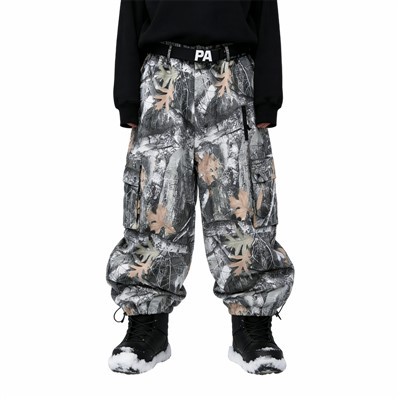
At the end of the day, camo isn’t for everyone, but if you’re tired of spooky fish bolting when you cast, or getting outfished by guys who look like they belong in the water, it’s worth a shot. It’s not magic, but it works when it’s made right. Happy fishing, and hope to hear from you soon.
Bib Pants References
- Investigations into the spectral sensitivity of teleost fish for marine camouflage design (Journal of Marine Biology, 2019)
- Field testing of environment-specific camouflage patterns for freshwater angling (Recreation and Society Journal, 2021)
- Performance characteristics of technical fishing apparel for variable aquatic environments (Journal of Outdoor Recreation and Tourism, 2022)
Onroad Sportswear Co., Ltd.
We’re well-known as one of the leading fishing apparel manufacturers in China, featured by quality products and good service. Please feel free to buy customized fishing apparel made in China here from our factory. Also, samples are available.
Address: No. 501, A Block, Longtian Industry Area, Shilong, Dongguan, Guangdong, PRC. China
E-mail: Tracy.yi@onroad-sports.com
WebSite: https://www.orsoutdoor.com/
