Hey everyone, let’s cut to the chase – if you’re pregnant and scrolling through skincare aisles (or our website, no judgment), you’ve probably asked at least once: can I keep using my go-to facial exfoliator right now? As a facial exfoliators supplier, we get dozens of these questions a week, and we’re here to break this down like we chat with our regular customers – no stuffy jargon, no confusing links, just real, actionable info. Facial Exfoliators
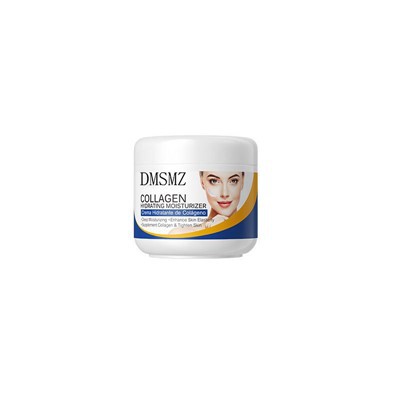
First off, let’s get one thing straight: pregnancy skincare is tricky, because everything you put on your face can end up in your bloodstream, even if it’s just a gentle scrub. But here’s the good news – not all exfoliators are created equal. Let’s start with what you need to know, because a lot of the advice floating around TikTok and mom forums is half-baked, and we don’t want you to panic over something that’s actually safe.
Let’s talk about the two main types of facial exfoliators, ‘cause that’s where most people mess up. Physical exfoliators are the ones with little beads, powders, or even jojoba beads that slough off dead skin – think our daily gentle face scrub with rice extract, it’s the kind we’ve been making for years, and it’s totally different from the harsh ones you used in college. Then there are chemical exfoliators, which are usually acids like glycolic, lactic, salicylic, or mandelic. That’s the big debate, right? So let’s dive into each, ‘cause your use case matters way more than just “pregnant = no exfoliation.”
First, physical exfoliators. The key here is how gentle they are. If you’re using an exfoliator with super fine, soft particles (like rice bran, oatmeal, or jojoba beads that melt a little when wet), that’s totally fine during pregnancy. These work on the top layer of dead skin cells, they don’t get absorbed deep into your skin, and they don’t have any harsh chemicals that can pass through your pores. We’ve had pregnant customers tell us they keep using our 2-in-1 face polish (the one with almond meal and vitamin E) throughout their whole third trimester, and their estheticians even said it was okay – as long as you’re not scrubbing like you’re trying to remove a sticker off a car. Over-scrubbing, no matter what’s in the product, can irritate your skin, which is already extra sensitive during pregnancy – that’s the real risk, not the exfoliator itself.
Now the part that’s confusing: chemical exfoliators. Here’s the quick breakdown: not all acids are off-limits, but some are. Let’s start with the “yes” options. Lactic acid, which is an alpha-hydroxy acid (AHA) that’s super gentle, comes from milk, and it’s actually in a lot of pregnancy-safe toners and exfoliators. Glycolic acid, another AHA, is also considered safe in low concentrations (like under 10%). Why? Because AHAs work on the very top layer of skin, they don’t get absorbed in large amounts, and studies show they don’t pose a risk to a developing fetus – as long as you’re not using a super concentrated peel (like those 30% glycolic peels that people get at spas). We used to get a lot of questions from pregnant customers asking about our mild AHA exfoliant, and we always tell them to check the concentration – if it’s under 10%, go for it once or twice a week, no big deal.
Then the “no” one: salicylic acid. That’s the big red flag. Salicylic acid is a beta-hydroxy acid (BHA), and it’s oil-soluble, which means it can penetrate deeper into your pores and get absorbed into your bloodstream. The research is mixed, but most dermatologists and ob-gyns agree that high concentrations (over 2%) are a no-go during pregnancy. Even the low-concentration ones that are in some acne face washes? We recommend skipping those, especially in the first trimester when your baby’s organs are developing. I’ve seen too many posts from moms who used a salicylic acid spot treatment every day and then stressed for weeks that it might have hurt their baby, so why take the risk? It’s not worth it.
Wait, but let’s get real here – a lot of people think “exfoliating during pregnancy is always bad” and that’s not true. Your skin goes through so much during pregnancy, right? Hormones go wild, you might get more dryness, more breakouts (hello, pregnancy acne), and dead skin cells can build up faster, which makes your skincare products not work as well. Exfoliating gently once or twice a week can actually help your moisturizer and face serum sink in better, and keep your skin from looking dull – which is a huge mood lifter when you’re dealing with all the pregnancy fatigue.
But here’s the fine print you won’t find in a random Instagram post: always check the ingredients list, and do a patch test if you’re trying a new exfoliator. We’ve had a few customers tell us they tried a random physical exfoliator from a drugstore that had microbeads and some weird fragrance, and it made their skin super irritated. Fragrances are another thing to watch out for during pregnancy – a lot of cheap exfoliators add synthetic fragrances that can cause sensitivity, so stick to products with simple, natural ingredients (like the ones we use, which are all paraben-free, sulfate-free, and no synthetic fragrances).
Also, let’s talk about the first trimester specifically. That’s the time when a lot of women are extra cautious, and for good reason. If you’re in your first 12 weeks, maybe hold off on any new exfoliators, even the gentle ones, just to be safe. Your skin is already going through so many changes, and if you get any irritation, you might not be able to tell if it’s from the pregnancy hormones or a new product. Once you’re past the first trimester, and if your skin is calm, a gentle exfoliator once a week is totally okay.
Wait, but what about pregnancy masks or peels? Those are a different story. The ones you do at home – like enzyme peels with pumpkin or papaya – are usually made from natural enzymes, which break down dead skin cells gently. Those are a great option during pregnancy, because they’re not harsh, and they don’t have the strong acids that can be a problem. Our enzyme face peel is one of our top sellers for pregnant customers, and it’s super popular because it gives you that fresh, glowing look without any risk. We even have a few customers who use it as a monthly treat, and their ob-gyns gave it the green light.
Now, let’s clear up some common myths. First myth: “All exfoliators cause stretch marks.” No, stretch marks are from collagen and elastin breaking down in the skin, which has nothing to do with exfoliating your face. Second myth: “You can never exfoliate again once you’re pregnant.” That’s just not true – it’s about how you exfoliate, not that you stop entirely. Third myth: “Natural exfoliators are always safe.” Wait, no – even natural things like sugar scrubs can be too harsh if they have big, sharp grains that scratch your skin. We once had a customer who tried a homemade sugar scrub and ended up with tiny cuts on her face that got irritated, so it’s not just about the ingredients, it’s about the texture too.
As a facial exfoliators supplier, we’ve worked with hundreds of pregnant women over the years, and the most common feedback we get is that they’re tired of being told “just don’t use anything” during pregnancy. Skincare doesn’t have to be all or nothing – you just have to be informed. We’ve seen so many customers keep using our gentle exfoliators throughout their pregnancy, have healthy babies, and come back to buy more once they’re postpartum. That’s why we’re so passionate about making safe, effective exfoliators that work for everyone, including pregnant people.
But wait, let’s make sure we’re not giving generic advice. Every pregnancy is different, right? If you have sensitive skin, or if your ob-gyn has specifically told you to avoid certain products, then listen to them first. If you have a history of acne, you might need a little more exfoliation to prevent breakouts, but if you have dry skin, you might want to use a gentle exfoliator only once every two weeks, not more. It’s all about your individual skin and your doctor’s guidance.
So, putting it all together: can you use facial exfoliators during pregnancy? Yes – but only if you pick the right ones, use them the right way, and skip the risky stuff. Gentle physical exfoliators with soft particles, mild AHA exfoliators (under 10% concentration), and enzyme peels are all safe options. Stay away from salicylic acid (over 2%), harsh scrubs with big grains, and any products with synthetic fragrances or unnecessary chemicals. And always, always check with your ob-gyn if you’re unsure – that’s the best rule of thumb, no matter what the internet says.
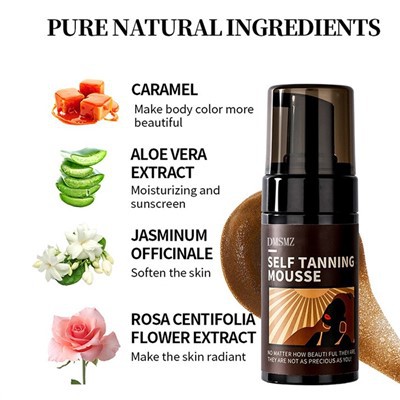
Now, if you’re a pregnant person who’s looking for a safe exfoliator to add to your routine, we’ve got you covered. All of our products are formulated with pregnancy-safe ingredients, tested by dermatologists, and we don’t use anything that could pose a risk to you or your baby. We know how overwhelming it can be to navigate skincare during pregnancy, and we’re here to help with any questions you have – whether it’s about ingredients, usage, or even what type of exfoliator works best for your skin type. If you’re a retailer or someone looking to order for your own use, feel free to reach out to us to talk more about our products, bulk orders, or any other questions you might have. We’re not just a supplier – we’re here to make this part of your pregnancy a little less stressful.
Facial Skincare References
American Academy of Dermatology. Safe Skincare During Pregnancy.
Journal of the American Academy of Dermatology. Topical Skincare Ingredients in Pregnancy: A Review.
Obstetrics & Gynecology. Guidelines for Skincare in Pregnancy.
Food and Drug Administration. Topical Products and Pregnancy Safety.
Guangdong Daimeishi Biotechnology Co., Ltd.
Address: Room 304, Building 3, Quantum Creation Space, No. 4, Industrial 2nd Road, Jiahewanggang, Baiyun District, Guangzhou
E-mail: 371190615@qq.com
WebSite: https://www.zgdms.com/
