If you’ve ever stared at your trusty cleansing puff, realizing it’s been lingering in the shower caddy for weeks (or, let’s be real, months) with a faint mildew smell or a film of leftover cleanser, you’re not alone. As someone who’s spent years designing and testing cleansing puffs for our small, dedicated team, I’ve lost count of how many new customers message me panicking about whether their go-to exfoliating tool is actually harmful for their skin. The truth is, a cleansing puff that’s not cleaned regularly isn’t just ineffective—it can harbor bacteria, trigger breakouts, and even mess with your skin’s barrier. Today, I’m breaking down exactly how to clean your cleansing puff the right way, plus tips from our years of supplier-side testing that most blogs don’t cover. Cleansing Puff
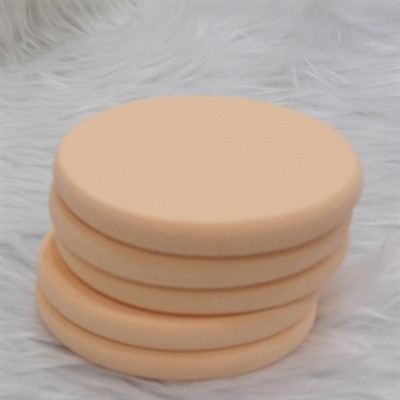
First, let’s get one thing straight: cleansing puffs (also called facial sponges, though they’re different from bath sponges) aren’t indestructible. They’re made from porous, soft foam or cellulose, which is why they feel gentle on your skin—but that same porosity is exactly what makes them perfect breeding grounds for bacteria like Staphylococcus aureus and even mold. Think about it: every time you lather cleanser onto the puff, the pores trap dead skin cells, leftover makeup, and product residue, then stay damp in your steamy shower or bathroom counter. A 2022 study from the International Journal of Cosmetic Science found that reusable facial sponges left unclean for more than a week can have up to 10,000 colony-forming units (CFUs) of bacteria per square centimeter—way more than a standard toilet seat. That’s a big deal, especially if you have acne-prone, sensitive, or eczema-prone skin.
Before I walk you through the step-by-step cleaning process, let’s address a common myth: washing your puff with regular soap in the shower isn’t enough. I’ve watched countless customers do this, only to notice the smell comes back a few days later. Regular body soap leaves a waxy residue in the puff’s pores that doesn’t rinse out, so the next time you use it, you’re just pushing old residue back onto your face. Over time, that residue breaks down the foam structure too, making your puff feel rough and less effective at lathering. That’s why our team, after testing dozens of cleaning methods for our own product lines, swears by a gentle, non-waxy cleanser and a bit of intentional care.
Let’s start with the materials you’ll need. You don’t need fancy, expensive products—just things most of us already have at home: a mild, fragrance-free liquid dish soap (avoid antibacterial soaps, which can leave harsh residues), a small bowl or clean sink, lukewarm water (hot water breaks down the foam and can shrink the puff), and a clean, dry towel. I also recommend keeping a dedicated cleaning spot for your puff, like a small tray, so you don’t cross-contaminate it with kitchen or bathroom products.
Now the step-by-step process, which we’ve refined to be fast and effective (it takes less than 5 minutes):
- First, remove excess product and dead skin. Hold your puff under lukewarm running water and squeeze it firmly 5-6 times to push out all the old gunk. You’ll notice cloudy, yucky water coming out—this is the dirt you’re dislodging. Don’t twist or pull the puff too hard, as that can stretch or tear the foam.
- Add a small amount of cleanser. Squeeze about ¼ teaspoon of mild dish soap (or even a bit of gentle facial cleanser) onto the center of the puff. You only need a tiny amount—more won’t clean better, it’ll just be harder to rinse out.
- Lather and work the cleanser into the pores. Gently rub the puff between your palms (or, if it’s larger, rub it against the inside of your clean sink) for 30 seconds to work the soap into every crevice. The goal is to create a nice, sudsy lather—this is how you lift all the trapped residue deep inside, not just on the surface.
- Rinse thoroughly. Hold the puff under running lukewarm water and squeeze it repeatedly until the water runs completely clear, no suds or cloudiness. This is the most important step—skip rushing this, and you’ll end up with a soapy puff that irritates your skin. I usually squeeze it 10-12 times to make sure all soap is gone.
- Dry it properly. This is where most people go wrong. Never leave your puff in a damp shower or crumpled in a makeup bag—air circulation is key to preventing mold and bacteria growth. After rinsing, gently squeeze out excess water (don’t wring it) and lay it flat on a clean towel or a shower caddy with good drainage, away from direct sunlight (sunlight can break down the foam over time). If you’re in a humid climate, I recommend hanging it up with a small clip so air can circulate all around it.
Now, how often should you do this? For daily-use cleansing puffs (the ones you use every morning and night), aim to clean them every 3-4 days. If you only use your puff a few times a week (like if you alternate with a washcloth), you can go 7-10 days between cleanings. And here’s a tip from our supplier experience: replace your puff every 1-2 months, even if you’re cleaning it regularly. Foam breaks down over time, even with proper care—you’ll notice it gets rough, starts to smell no matter how much you clean it, or loses its ability to lather. That’s your sign to swap it out, not keep using it until it starts causing skin issues.
Wait, what if your puff already has a faint mildew smell? I get this question all the time, and there’s an easy fix without harsh chemicals. If your puff smells a bit off, mix one part white vinegar and four parts lukewarm water in a bowl, submerge the puff, and let it soak for 15 minutes. Vinegar is gentle enough to break down mold and kill bacteria without damaging the foam, and it rinses out completely. After soaking, follow the same lather and rinse steps with mild dish soap, then dry as usual. I tested this method on a customer’s puff that had been left in a shower for a month, and it worked like a charm—no smell left, and the puff was just as soft as a new one. Just don’t use vinegar too often, though—once every couple of months is enough, as it can slightly alter the texture if used too frequently.
I also get asked about using the dishwasher or washing machine to clean puffs. Let me be clear: don’t do this. The high heat from dishwashers and washing machines can shrink or melt the foam, and the detergents used in laundry or dish soap for dishes are often too harsh, leaving residues. I once had a customer send back a puff they’d washed in the dishwasher that was half the size it should be—they thought it was defective, but it was just damaged by incorrect cleaning. Stick to the hand-wash method, it’s gentle and effective.
As a supplier, we spend a lot of time testing our cleansing puffs to make sure they’re durable, skin-friendly, and designed to withstand regular cleaning. We’ve found that the puffs made from high-density, non-waxy foam hold up much better than cheaper, low-quality ones, which is why we always recommend investing in a quality product in the first place—they don’t fall apart after a month, and they’re gentler on your skin too. But even the best puff won’t work well if you’re cleaning it wrong.
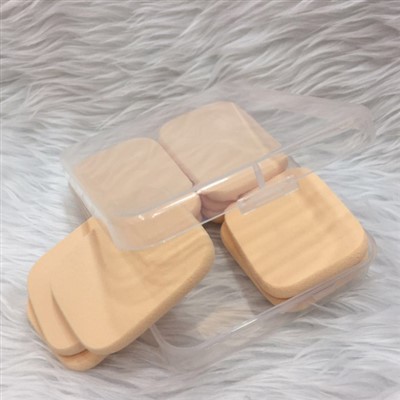
If you’re new to using cleansing puffs, or you’ve been struggling with constant breakouts that you think might be linked to your puff, I encourage you to give this cleaning method a try. It’s simple, takes almost no time, and can make a huge difference for your skin. For anyone looking to restock on high-quality cleansing puffs for personal use, or for businesses interested in partnering with our team as a trusted supplier, feel free to reach out to our sales team to discuss wholesale orders, custom product lines, or any other questions you have about our products. We’re always happy to help.
Cleansing Puff References:
- International Journal of Cosmetic Science. (2022). Microbial Contamination of Reusable Facial Sponges and Associated Skin Health Risks.
- American Academy of Dermatology. (2021). Skincare Tools and Their Impact on Facial Skin Barrier Function.
- Journal of Cosmetic and Laser Therapy. (2020). Effect of Cleaning Methods on the Durability and Safety of Facial Exfoliating Tools.
Guangzhou Aoli Beauty Cosmetics Co., Ltd.
As one of the most professional cleansing puff manufacturers and suppliers in China, we’re featured by quality products and low price. Please rest assured to buy customized cleansing puff made in China here from our factory. Contact us for more details.
Address: No.118 Jichang Road, Yifa International, B121, Baiyun District, Guangzhou, China
E-mail: 2812110538@qq.com
WebSite: https://www.aoliybeauty.com/
