If you’ve been around the oil and gas, pipeline construction, or even mining equipment space, chances are you’ve crossed paths with a steel centering cone. These unassuming, heavy-duty steel pieces do the quiet, critical work of keeping pipes, casings, or tools aligned as they’re inserted underground—skip them, and you’re looking at costly misalignment, bent equipment, or even wellbore failures. As someone who’s been supplying these cones for over a decade, I’ve seen every headache that comes when they stop working right. Today I’m breaking down the most common problems folks run into, and how to troubleshoot them like you’ve got a pro at your side. Steel Centering Cone
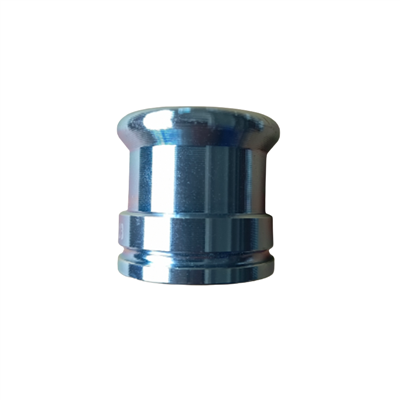
First off, let’s get one thing straight: not every “cone problem” is actually the cone’s fault. A lot of new operators jump to blaming the centering piece when the real issue is something upstream or downstream in their setup. I see this all the time with new pipeline crews that just pulled a cone out of the box, tossed it on the job, and wonder why it’s not sitting right. Let’s start with the most frequent head-scratcher: it won’t stay centered. That’s the top complaint I get in my DMs and service calls, so let’s deep dive there.
If your cone’s shifting off-center mid-insertion, the first thing I always ask is: did you size it right? This sounds basic, but you’d be shocked how many guys grab a cone rated for a 10-inch casing and try to cram it into a 10.5-inch wellbore. Steel centering cones are precision-machined for exact inner and outer diameters, and they rely on a snug, even fit against the casing ID and wellbore ID to do their job. I once had a crew from West Texas call me panicking because their cone kept drifting left—turns out they’d ordered a cone for a new 12-inch casing, but their wellbore had worn 0.2 inches wider on one side, so the cone couldn’t get a solid grip. The fix there was simple: either go to a slightly oversize cone (we make adjustable ones for this exact scenario, fyi) or shim the casing’s inner wall where the gap was biggest. Quick, cheap, and solved their problem in 10 minutes.
Another culprit for off-center cones is dirty or debris-covered contact points. If you’re working in a dirt-heavy mine or a job where the wellbore has residual mud or concrete cuttings, that gunk can build up on the cone’s feet or its contact pads, keeping it from expanding evenly. I’ve seen guys spend hours adjusting their rig when all they needed was a wire brush and a rag to scrub the cone’s surfaces clean. Pro tip: always do a quick pre-job inspection of the cone before mounting it—run a finger along the contact edges; if they feel rough or have crusted-on grime, give them a quick wipe. We even sell small, portable cleaning brushes made just for centering cones because this is such a common issue.
Next up: the cone is getting stuck during insertion or retrieval. This is a huge one because a stuck cone can mean leaving thousands of dollars of equipment underground, not to mention losing a whole day of job time. First, let’s rule out the obvious: is your cone’s expansion mechanism working correctly? A lot of steel centering cones have a split-body design that expands to fit the wellbore, and over time, those split seams can get seized up from rust, debris, or even improper handling during storage. I recommend doing a “dry run” expansion test at the shop (or in the truck bed) before every job. Grab your adjustment tool, expand the cone to its rated diameter, and make sure it moves smoothly both ways. If it’s stiff, spray a small amount of penetrating oil on the seam, work it back and forth a few times, and wipe off any excess before using it. Skip the heavy grease— that will just attract more dirt and make it worse.
If the mechanism is working fine, the problem could be down to the cone’s angle. A lot of newer operators mount the cone at a sharp tilt, thinking it will cut through dirt or debris, but that actually creates drag that makes it get stuck. The cone needs to sit perpendicular to the casing axis to move freely. I tell all my customers to use a spirit level when mounting the cone to the casing—take 10 extra seconds, and you’ll avoid a half-hour of trying to yank a stuck cone out with a winch. Another thing: if you’re working in a high-friction environment like a shale well, we make coated steel centering cones with a low-friction epoxy layer that slides easier, no more sticking. It’s a small add-on that makes a huge difference.
Third common problem: excessive wear on the cone. Steel is tough, but it’s not indestructible. If you’re seeing gouges, scratches, or even small cracks on the cone’s contact pads after a single job, that’s a red flag. The first thing to check is what’s in your wellbore or pipeline. Are you working with loose rock, sharp aggregate, or even metal shavings from prior construction? That stuff will chew through steel fast. I had a customer in Wyoming run a cone through a well with leftover drill bits shavings, and he came back asking why his cone was done for after one use. The fix there was to add a debris screen to his casing string before the centering cone—simple, catches all the sharp stuff, and extends the cone’s life by 3 or 4 times.
If there’s no debris, the wear is probably from over-expanding the cone. I can’t tell you how many times I’ve seen a crew crank a cone way beyond its rated diameter to “make it fit just right.” That stretches the steel, warps the contact pads, and makes them wear out way faster. Our cones have clear size markings on the adjustment collar—don’t ignore them. The rating is there for a reason: over-expanding even by 0.5 inches cuts the cone’s service life by half. Another wear hack: rotate the cone 180 degrees between jobs if you’re reusing it. The side that was facing outward gets more friction; flipping it evens out the wear, so both sides last longer.
Wait, let’s not forget about retrieval issues that aren’t the cone’s fault. I’ve had guys call me saying their cone won’t retract after it’s set, and it turns out they didn’t bleed the pressure from the wellbore. When you set a cone in a pressurized well, that pressure can push on the cone’s expansion arms, making them hard to retract. The fix here is to equalize the pressure before attempting to pull the cone out—open a small valve in the casing string, wait 30 seconds for the pressure to balance, then try the retraction tool again. That’s a common mistake, and it’s so easy to fix.
Now, a quick reality check: steel centering cones are heavy-duty, but they do have a limit. If you’re running one through a job with extreme conditions (like high-temperature wells or very abrasive environments), don’t be afraid to upgrade to a heavier-duty model. I stock cones with 1045 high-carbon steel instead of standard mild steel for these cases—they take more heat and more abrasion, no more quick wear-outs.
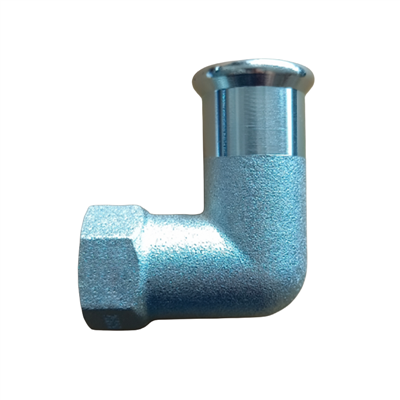
Here’s the thing I want every reader to take away: most cone problems aren’t mysterious. They’re usually caused by a small, easy-to-fix mistake: wrong size, dirty contacts, tilted mounting, or over-expansion. As someone who’s built this business on solving these exact headaches, I know how frustrating it is to have a job derailed by a part that should be straightforward. If you’ve tried these troubleshooting steps and you’re still stuck, or you’re not sure what size or type of centering cone you need for your job, hit me up. I don’t do pushy sales pitches—just real advice, tailored to your specific setup.
Straight Connector At the end of the day, a well-functioning centering cone keeps your job on schedule, saves you money, and prevents headaches later. Don’t let a small mistake turn into a big problem. Whether you’re just ordering your first centering cone or you’ve been using them for years, I’m here to help make sure your next job goes smooth.
Taizhou Tongda Machinery Co., Ltd.
As one of the most professional steel centering cone manufacturers and suppliers in China, we also support customized service. We warmly welcome you to wholesale high quality steel centering cone in stock here from our factory. For quotation, contact us now.
Address: No. 20, Chuyang Road, Xiaoshuibu Industrial Zone, Yucheng Subdistrict, Yuhuan City, Taizhou City, Zhejiang Province
E-mail: sw@chinatdjx.com
WebSite: https://www.tongdaparts.com/
