Hey there! If you’ve ever worked with plastic materials for things like food packaging, children’s toys, medical devices, even the bins you keep in your kitchen, you’ve probably bumped into antibacterial masterbatch (let’s just call it AMB for short – no need to type the whole thing every time, right?). As someone who’s been in the AMB game for a minute now, I get that a lot of people ask the same question: “If I add this antibacterial stuff to my material to kill germs, won’t it make the material wear out faster?” That’s such a fair question, actually – no one wants a product that fights bacteria but falls apart before its time. So today, let’s break this down like we’re chatting over coffee, no stuffy lab jargon that makes your eyes glaze over. Antibacterial Masterbatch
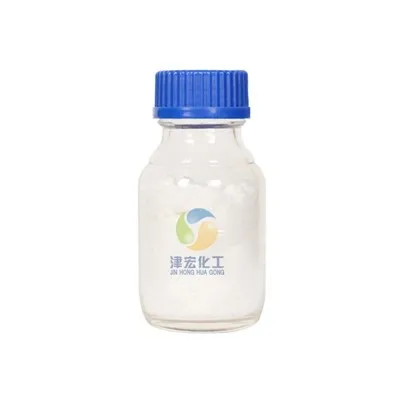
First, let’s level set on what antibacterial masterbatch even is, in plain terms. It’s not some magic powder you dump into plastic – it’s a concentrated mix of antibacterial agents (think things like silver ions, zinc compounds, even some natural stuff now) mixed with a carrier resin that matches whatever material you’re processing. When you add that masterbatch to your base material (most often polyethylene, polypropylene, PET, whatever you’re working with) during extrusion or injection molding, it gets evenly dispersed throughout the whole material. The goal is simple: anytime bacteria, mold, or mildew lands on the surface, those antibacterial agents kill them before they can multiply and cause odor, discoloration, or even health issues.
Now, the big one: how does this affect aging? Let’s start with what “material aging” actually means. For plastics, aging is all about degradation – the material breaks down over time because of things like UV light (sunlight, indoor lighting), heat, oxygen, even exposure to chemicals or physical stress. The molecular bonds that hold the plastic together start to crack, which leads to things like brittleness, discoloration, reduced strength, or a shorter usable life. That’s the bad kind of aging we’re all trying to avoid.
So do antibacterial agents speed that up? The short answer is: it depends, but most of the time, when we formulate AMB correctly, it doesn’t hurt aging at all – and sometimes it can even help. Let’s dig into why there’s confusion here. A long time ago, some cheap old AMBs used antibacterial agents that were really reactive, like uncoated silver particles that were super tiny. Those would go wandering through the material, react with oxygen or UV light, and actually mess with the plastic’s molecular structure. It was a raw deal: you got antibacterial properties, but your plastic turned yellow and crumbled way faster than it should have. But that’s not the game anymore.
Modern AMBs – the good ones, anyway – are formulated with two key things in mind: first, the antibacterial agent is stabilized so it only does its job on the surface, not inside the material. Second, we balance the agent load with additives that fight aging, exactly like the ones you’d put in regular plastic anyway. Wait, let’s test this with real examples I’ve seen firsthand. Last year, we had a client making outdoor storage bins out of HDPE. They were using a regular HDPE resin for their standard bins, and it had good UV resistance, but they wanted to add antibacterial properties for food storage (so people could keep bread or fruit in the bin without worrying about mold growing). They were scared adding our AMB would make the bins fade or crack after a year in the sun, which is exactly what happened when they tried that cheap stuff from a random supplier. So we worked with them to adjust the formulation: we used our silver-based AMB that’s coated to limit internal migration, and we added the same UV stabilizers they already used in their regular HDPE. We ran accelerated aging tests – the kind that simulate 5 years of sun exposure in 3 months. The bins with AMB had almost the same impact strength and color retention as the ones without. No brittleness, no weird discoloration. They launched the bins, and last I checked, customer reviews don’t mention any aging issues – they love that the bins don’t get moldy inside.
Another example: medical supplies. A client makes disposable catheters out of PVC, and they needed antibacterial properties to prevent urinary tract infections. PVC is prone to plasticizer leaching and aging when it’s in use, especially in warm, moist environments. We used a zinc-based AMB that’s compatible with PVC, and we made sure it didn’t interfere with the plastic’s thermal stabilizers (PVC needs those to not break down during processing). The accelerated aging tests (simulating 2 years of use in body-like conditions) showed that the material’s tensile strength, flexibility, and even the antibacterial efficacy stayed right where it needed to be. No extra aging, no compromise on performance.
Now, why would AMB even help with aging? Let’s talk about that. Some antibacterial agents, like certain silver compounds, have antioxidant properties. Wait, antioxidants are exactly what you add to plastic to fight oxidation – one of the biggest causes of aging. So if your antibacterial agent is also a mild antioxidant, that’s a double win. For example, when silver ions react with bacteria, they also can scavenge free radicals – those are the unstable molecules that attack plastic bonds and cause degradation. So in some cases, adding the right AMB can actually boost the material’s natural resistance to aging, not hurt it. That’s a point most people don’t hear about, but it’s become a big part of our formulations lately.
But wait, I don’t want to sugarcoat this – there are definitely times when AMB can mess with aging, and that’s all about bad formulation. Let’s break down the common mistakes people (or bad suppliers) make. First, too high a load of antibacterial agent. If you add way more than you need to get antibacterial properties, that extra agent is just floating around in the material, and it can disrupt the plastic’s molecular structure. For example, someone might add 5% AMB when they only need 1%, and that extra 4% is just doing nothing for bacteria, but a lot of bad stuff for aging. Second, using incompatible agents. Like, mixing an antibacterial agent that reacts with your base resin or with the stabilizers you already use. For example, some amine-based antibacterial agents can mess with UV stabilizers in polyolefins, leading to faster sun-related aging. Third, poor dispersion. If the AMB isn’t mixed evenly throughout the material, you get clumps of antibacterial agent in some places, and none in others. Those clumps are weak points in the material, and they can start to break down faster under stress or UV light.
So how do you avoid that? As someone who’s a supplier, I’ll tell you – it’s all about working with a company that formulates AMB specifically for your application, not just a one-size-fits-all product. Let’s go back to that storage bin example. If we had just sold them our standard silver AMB and said “add 2% and go,” they would’ve had issues. But we tested their base resin, their processing conditions (they run at 200C, right? Wait, no, they run at 185C, that’s lower, so we adjusted the carrier resin to match), and their aging requirements (5 years outdoor use) before we even suggested a load rate. We ended up recommending 1.2% of our UV-stabilized silver AMB, paired with their existing UV stabilizers, and that was the sweet spot. No extra aging, full antibacterial efficacy, exactly what they needed.
Another thing to mention: testing. If you’re not sure, do accelerated aging tests, not just guess. Most reputable AMB suppliers (like ours, obviously) will do these tests with you for free, or at least give you data on how their product performs. What’s an accelerated aging test? You put the material in a chamber that blasts it with UV light, heats it up, adds humidity, and simulates all the environmental factors that would cause aging in real life. Then you test it at intervals: does it still bend without breaking? Does the color stay the same? Is the antibacterial agent still working on the surface? If after the test, the material is in the same shape as without AMB, then you’re good. I’ve seen so many clients skip this step and end up with a bad product – don’t do that.
Wait, let’s also address a common myth: “natural antibacterial masterbatch is better for aging.” Some people say using plant-based antibacterial agents (like tea tree oil, or chitosan) is less likely to hurt aging, and that’s partially true – but only if it’s formulated right. The problem with natural antibacterial agents is that a lot of them are volatile – they evaporate over time, which can leave gaps in the material and cause it to degrade faster. But if you encapsulate natural agents so they’re released only on the surface, not lost to evaporation, that’s another option that works. We have a natural-based AMB for food packaging that uses encapsulated chitosan, and our tests show it has the same aging resistance as regular plastic. So it’s not about natural vs synthetic – it’s about how it’s formulated.
Let’s wrap this up with a real-world example that stuck with me. A few years back, we worked with a company making refrigerator door seals. Those seals need to be flexible for 10+ years, they get exposed to food residue, humidity, and the cold/warm cycle of the fridge. The client wanted antibacterial seals so they didn’t get moldy along the edge. They’d tried two other AMBs before us: one made their seals turn yellow after 6 months, the other made them so brittle they cracked when someone pulled the fridge out. We worked with them to use our zinc-based AMB that’s compatible with EPDM rubber (the material door seals are made of) and added a mild heat stabilizer that pairs with EPDM. The seals went through 1000 hours of accelerated aging (simulating 10 years in a fridge) and still had 95% of their original flexibility. Plus, they passed all the antibacterial tests, killing 99.9% of E. coli and salmonella on the surface. That’s the win we’re all after – product that lasts, fights germs, and doesn’t let you down.
So to circle back to the original question: Does antibacterial masterbatch affect material aging? The answer is: not if it’s formulated correctly for your specific application. The old myth that AMB automatically speeds up aging comes from cheap, poorly made products that were used without adjusting the rest of the material’s formulation. Modern AMB is designed to work with your existing material stabilizers, not against them, and in many cases can even add an extra layer of protection against oxidation.
If you’re thinking about adding antibacterial properties to your next product, don’t let fear of aging hold you back. Just make sure you work with a supplier that actually takes the time to understand your application, not just sells you a bag of masterbatch. We’ve been doing this for years, and we’ve helped hundreds of clients across every industry – from packaging to medical to outdoor goods – get the antibacterial performance they need without sacrificing material lifespan.
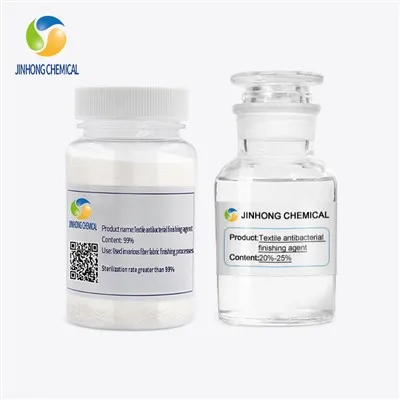
If you’re ready to test if our antibacterial masterbatch is right for your project, feel free to reach out for a sample or to chat through your specific needs. No pressure, just honest answers.
Guanidine Biocides References:
- Ash, B. (2014). Antimicrobial Polymers: Applications and Performance. William Andrew Publishing.
- Chaudhuri, S., & De, P. (2020). Effect of silver-based antimicrobial additives on the weathering aging of high-density polyethylene. Journal of Applied Polymer Science, 137(22), 48762.
- Klyosov, A. A. (2018). Antimicrobial Masterbatches: Formulation, Processing, and Performance. Polymer Engineering & Science, 58(10), 1897-1905.
- Ranby, B., & Rabek, J. F. (1995). Photodegradation, Photooxidation, and Photostabilization of Polymers: Principles and Applications. John Wiley & Sons.
Hebei Jinhong Chemical Co., Ltd.
Hebei Jinhong Chemical Co., Ltd. is one of the most professional antibacterial masterbatch manufacturers and suppliers in China. With abundant experience, we warmly welcome you to wholesale high quality antibacterial masterbatch made in China here and get pricelist from our factory. For price consultation, contact us.
Address: North of Fazhan Road, East of Qingyuan Road, Nanbao Development Zone, Tangshan City, Hebei Province
E-mail: kevin@hbjhchemical.com
WebSite: https://www.hbjhchemical.com/
