If you’ve spent any time on the water lately—whether chartering a small fishing boat, upgrading your sailboat’s electrical system, or outfitting a commercial workboat—you’ve likely heard the chatter around marine lithium batteries. The old lead-acid systems that powered mariners for decades are getting phased out fast, and for good reason: lithium models are lighter, hold a charge longer, and deliver consistent power even in tough marine conditions. But with any new technology, questions follow, and the biggest one I get as a marine lithium battery supplier is this: Are marine lithium batteries safe? Marine Lithium Battery
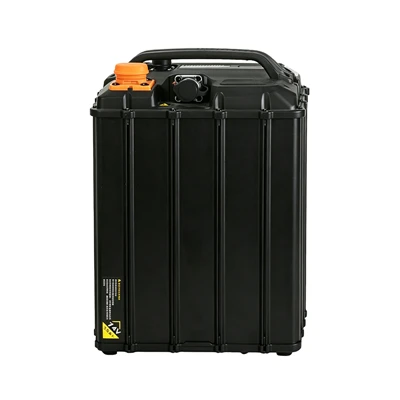
Let’s cut through the hype and the fear-mongering. Over the 12 years I’ve worked in this industry, I’ve fielded everything from casual “my friend’s lithium battery overheated once” comments to detailed safety audits for commercial fleets. The truth is, marine lithium batteries aren’t inherently dangerous—but their safety depends entirely on three things: the quality of the battery itself, how it’s installed, and how you maintain it.
I’m not here to sell you a miracle product. I’ve seen bad batteries do bad things, just like I’ve seen well-made ones serve reliably through hurricane crossings, trans-oceanic trips, and years of daily use. Let’s start with the basics so you can separate fact from fiction.
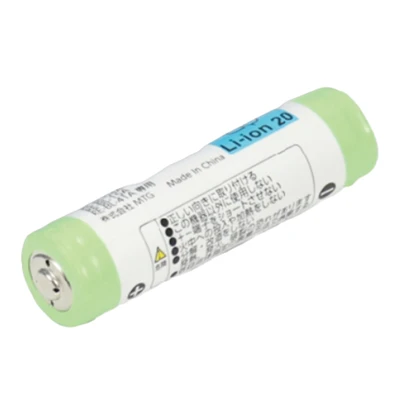
First, let’s talk about what makes marine lithium batteries different from consumer lithium-ion batteries. If you’re replacing the AAAs in your TV remote, those are small cylindrical cells, often made with lithium cobalt oxide—an unstable chemistry that can overheat if damaged. Marine batteries use lithium iron phosphate (LFP), a chemistry that’s much more stable. Don’t take my word for it: the US Coast Guard, in their 2023 report on marine electrical safety, confirmed that LFP batteries have a far lower risk of thermal runaway (the chain reaction that causes fires or explosions) than legacy lithium chemistries or even lead-acid batteries in some cases. Lead-acid batteries vent explosive hydrogen gas when overcharged, a risk that’s well-documented and understood by mariners who’ve had to properly ventilate their battery rooms for decades. LFP batteries don’t vent flammable gases under normal operating conditions.
That said, not all LFP marine batteries are equal. I’ve seen cheaply made units sourced from overseas skip critical safety features to cut costs. For example, a proper marine lithium battery will have a built-in Battery Management System (BMS) that acts as the battery’s brain. The BMS monitors individual cell voltage, temperature, and charge/discharge rates to prevent overcharging, over-discharging, and short circuits. A low-quality battery will use a generic BMS that can’t handle the unique strains of marine use: constant vibration, temperature swings from below-freezing in a Great Lakes winter to 100°F in a closed engine room, and high current draws for trolling motors or winches. Last year, I worked with a sailboat owner who bought a no-name LFP battery online for half the price of our units. His BMS failed, the cells overheated, and he had a small fire in his battery compartment. He had to replace his entire electrical system and learn a very expensive lesson. That’s the real risk—not the chemistry itself, but cutting corners on quality.
Now, let’s talk about installation. Even the best battery on the market won’t be safe if it’s wired wrong. Marine environments are harsh, and there’s no room for amateur mistakes. I’ve seen batteries mounted too close to exhaust lines, with frayed wiring that arcs when the boat hits a wave, and installed in unventilated compartments where heat can build up. As your supplier, we walk every customer through installation best practices, but here’s the short version: mount batteries in a well-ventilated, non-combustible compartment away from heat sources; use marine-grade wiring sized for your battery’s maximum current; and make sure all connections are tight and corrosion-free. The American Boat and Yacht Council (ABYC), the gold standard for marine safety, has specific guidelines for lithium battery installation that we strictly follow and share with every client. We also offer professional installation consultations for anyone who wants peace of mind that their setup is up to code.
Maintenance is the third piece of the safety puzzle. A common myth is that lithium batteries don’t need any care—unlike lead-acid, which requires watering and equalizing. That’s not true. LFP batteries need occasional checks to make sure connections are secure, terminals are corrosion-free, and the BMS is communicating correctly with your vessel’s monitor. We recommend a quick inspection once a season, especially before a long trip, and avoiding over-discharging the battery below 20% (though most modern LFP BMS will shut the battery down before that to protect it). I also advise customers to avoid leaving batteries fully discharged for long periods—storing a lithium battery at 50% charge in a cool, dry place is the best way to keep it safe and long-lasting.
Let’s address the elephant in the room: battery fires. It’s rare, but they do happen. The National Fire Protection Association (NFPA) tracked marine fire incidents between 2017 and 2022, and found that only 8% of vessel fires were linked to lithium batteries—compared to 30% linked to diesel fuel and 25% to electrical faults in general. Most of those lithium battery fires were in small recreational boats using uncertified batteries. The marine lithium batteries we supply are certified to ABYC standards, tested for vibration, impact, and overcharge resistance, and come with a 5-year warranty because we stand behind their safety. We also provide every customer with a fire suppression guide specific to lithium marine batteries, since the method for putting out a lithium fire is a little different from a lead-acid or fuel fire. Unlike fuel fires, you shouldn’t use water on a lithium battery fire—you need a Class D fire extinguisher designed for metal fires, or a dry chemical extinguisher. We make sure our customers know that before they ever take their boat out on the water.
Another concern I hear a lot is about weight. Mariners love the fact that lithium batteries are 50-70% lighter than lead-acid, which improves performance and fuel efficiency. But does that affect safety? No, not at all. The lighter weight means you can mount the battery lower in the hull, which improves stability—another safety benefit. I’ve had commercial fishermen tell me they replaced two 200-pound lead-acid batteries with one 60-pound lithium battery, and noticed an immediate difference in how their boat handled in rough seas. That added stability is a huge safety win for anyone who spends time offshore.
Let’s talk about real-world use cases to make this tangible. Last year, a customer of ours runs a 60-foot commercial workboat that does day trips around Chesapeake Bay. He was using four 8D lead-acid batteries that needed replacing every 2 years, and was nervous about switching to lithium. After we installed our LFP system, he told me he’s had zero issues in 18 months, even when running his GPS, trolling motor, and cabin heater all day in winter. He also mentioned that he no longer has to vent his battery room, which saves him time on every trip. On the other end of the spectrum, a recreational sailor from Florida upgraded his 30-foot sailboat for a transatlantic crossing this year. He picked our marine lithium batteries specifically because they had a 10,000-cycle life and a BMS that could handle the constant vibration and temperature swings of open ocean. He sent me a photo a few weeks ago, showing him anchored in the Bahamas, with his screen displaying battery levels at 92% after two weeks of cruising—no issues, no worries.
So, what’s the takeaway here? Marine lithium batteries are safe when they’re high-quality, installed correctly, and maintained properly. The bad press around lithium batteries almost always comes from uncertified, low-quality products that skip critical safety features, or improper installation. Lead-acid batteries have been around for over a century, and we’ve gotten good at managing their risks—but they’re heavier, shorter-lived, and less efficient. Lithium isn’t a passing trend; it’s the future of marine power, and the technology is only getting safer as manufacturers invest in better BMS systems and more stable chemistries.
If you’re considering upgrading your boat’s electrical system, don’t let fear of safety hold you back. Do your research: look for batteries certified by ABYC or other marine safety organizations, ask your supplier about their BMS and quality control processes, and follow installation guidelines. As a marine lithium battery supplier, our number one priority is safety—we don’t sell any product we wouldn’t install on our own boats. We offer custom systems for everything from small fishing dinghies to large commercial vessels, and we work with every customer to make sure their setup is safe, reliable, and fits their specific needs.
If you’re ready to learn more about how marine lithium batteries can upgrade your vessel’s safety and performance, or if you have questions about a specific installation, we’d love to talk. Reach out to our team to discuss your requirements, get a custom quote, or schedule a consultation. We’re here to help you make the switch confidently, with support every step of the way.
Two Wheeler Battery References
United States Coast Guard. (2023). Marine Electrical Safety Report: Lithium Battery Performance and Risk Mitigation.
American Boat and Yacht Council. (2021). Standard E-11: Marine Lithium-Ion Batteries and Systems.
National Fire Protection Association. (2022). Marine Fire Incident Database: 2017–2022 Summary.
International Maritime Organization. (2020). Guidelines for the Safety of Lithium Battery Systems on Ships.
Zhuhai Greaton Electronic Technology Co., Ltd.
As one of the most professional marine lithium battery manufacturers and suppliers in China, we have world-leading production equipment and strong manufacturing capabilities. Please rest assured to wholesale advanced marine lithium battery in stock here from our factory. Customized orders are welcome.
Address: 2nd Floor, Building A3, No. 6, Liulu, Xinqing Science and Technology Industrial Park, Jing’an Town, Doumen District, Zhuhai City
E-mail: wangchen1@psbattery.cn
WebSite: https://www.cngreaton.com/
