Hey everyone, if you’ve shopped for LED panel lights lately—whether you’re outfitting an office, a retail store, or even your own home—you’ve probably found yourself asking: “Wait, how well do these things hold up against dust?” As someone who’s been in the LED panel light game for almost a decade (I run the side that tests and ships our units, so I’ve fielded this exact question hundreds of times), I get why this is such a big concern. Dust might seem like a tiny, trivial thing, but let’s be real—when you’re running a light 12+ hours a day in a busy warehouse, a dim office, or even a dusty garage, that build-up can turn a bright, efficient LED panel into a dud faster than you’d think. Today, I’m breaking down the real science behind dust resistance for these lights, what actually makes a difference, and what our team does to make our panels stand up to grime. LED Panel Light
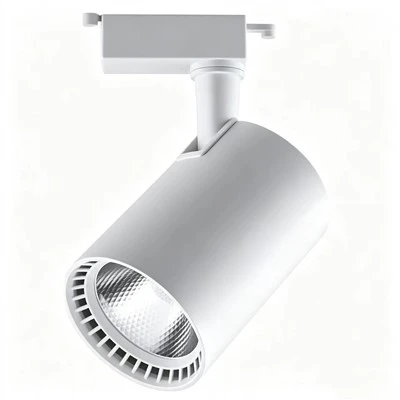
First off, let’s stop lumping all LED lights together here. Panel lights are different from recessed cans, tube lights, or those big floodlights you use for landscaping. They’re flat, flush-mounted, and most have that thin, diffused plastic cover that everyone relies on for even, glare-free light. That cover is actually the first line of defense against dust, but it’s not the only one. A lot of people hear “IP rating” and tune out, but hear me out—this is the only real, universal way to tell how well a light will handle dust and moisture. IP stands for Ingress Protection, right? It’s a two-number scale: the first number rates solid particles (dust, dirt, sand) and the second rates liquids (water, condensation). For dust, the scale goes from 0 to 6, with 6 being totally dust-tight. I see way too many suppliers skip mentioning this, so let’s make it clear: most residential LED panel lights are IP20, which means they’re only protected against big solid objects (like fingers) and do absolutely nothing for dust. That’s not a knock on those models—they’re meant for clean, indoor spaces like bedrooms or living rooms where dust is barely a problem. But if you’re putting panels in a restaurant kitchen, a construction trailer, or a workshop, IP20 is a recipe for disaster.
Now, our team’s bread and butter is mid-range to heavy-duty commercial panels, so we don’t just ship IP20 units. We’ve got a whole line of IP40 and IP54 panels, and I’ll be honest—those ratings aren’t just marketing fluff. The second number for dust protection: IP40 means dust won’t get in enough to mess up the internal parts, and IP54 means it’s dust-resistant (only small amounts can get in, and they won’t damage anything). Wait, hold on—“dust-resistant” vs “dust-tight”—I get that confuses people. Let me explain it like you’re building a bookshelf: dust-tight is like a shelf with a solid back and no gaps—nothing gets in at all. Dust-resistant is like a shelf with a tiny gap at the top—dust can seep in, but it’s not enough to make the books (or in this case, the LED chips and drivers) get dusty and stop working. That’s the key. The internal parts of LED panels are super sensitive. LED chips themselves are fine, but the drivers (the little circuit boards that turn your wall power into something the LEDs can use) and the heat sinks (those metal fins that keep the panel from overheating) are where dust causes real problems. If dust builds up on the driver, it can trap heat, make the driver overheat, and die way sooner than it should. And dust on the heat sink? Same thing—less airflow means more heat, which shortens the lifespan of every part in the panel.
I can’t tell you how many times a customer has reached out saying their panels are flickering or going dim after a year, only to send a photo with a thick layer of dust caked on the back of the panel where the heat sink is. Early in my career, I didn’t understand why—we’d spec IP20 panels for a small grocery store, and within 18 months, half of them were dead. We had to go back, rip them out, and install IP40 units, and that’s when I really dug into the science of dust and LEDs. Turns out, dust isn’t just a surface-level nuisance. There’s a reason that lab testing (we do all our own in-house testing now, after that grocery store mess) shows that dust build-up can reduce LED light output by 15-20% in as little as 2 years. That’s a huge drop—you’re paying for 4000 lumens, and you’re only getting 3200. And if the driver is overheating, you’re looking at a 50% shorter lifespan, too.
Now, let’s talk about what factors actually make an LED panel more dust-resistant, beyond just the IP rating. First, the seal around the edges. A lot of cheap panels use a loose, thin gasket that fits between the panel body and the diffuser cover. That leaves tiny gaps where dust can sneak in. Our team switched to a silicone, compression-fit gasket a few years back—when you mount the panel, the spring clips squeeze the gasket tight, so there’s almost zero gap between the cover and the body. We tested this: we put a regular IP40 panel and our new one in a dust chamber (yes, we have a little chamber for this—nerdy, I know) and ran them for 72 hours. The regular IP40 had a thin layer of dust on the heat sink, our new one had zero. That’s the difference a good seal makes.
Then there’s the diffuser cover itself. Most panels use a polycarbonate cover, but the quality of that polycarbonate matters. Cheap covers are thin, and over time, they can warp or develop tiny cracks from temperature changes (remember that heat thing I mentioned earlier?). Those cracks are perfect little entry points for dust. We use a thicker, UV-stabilized polycarbonate with a scratch-resistant coating. It’s a tiny bit more expensive, but it stops both dust from seeping through and scratches from ruining the light spread. We tested another batch: same panel, same IP rating, one with cheap polycarbonate, one with ours. After 2 years of simulated use (heat cycles, dust exposure), the cheap ones had visible dust lines along the cracks, ours were still spotless.
Wait, and what about recessed vs surface-mounted panels? That’s another question I get all the time. A lot of people think recessed panels are more dust-prone because they’re sitting in the ceiling cavity, which can be dusty if you have old, dusty insulation or dirty ducts. That’s partially true, but it’s not the panel’s fault—it’s the ceiling installation. If you cut a hole in the ceiling drywall and don’t seal the gap around the recessed panel, dust from the attic or ceiling cavity will blow right into the back of the panel. We actually recommend using low-expansion spray foam to seal that gap when installing recessed panels—costs like $5 a can, saves you so much headache. Surface-mounted panels, on the other hand, don’t have that ceiling cavity issue, but they’re closer to the wall or ceiling surface, so if the surface is dusty, it can get on the back of the panel. But again, a good seal around the panel edges fixes that.
Now, let’s get real—no LED panel is totally dust-proof, even the highest IP rated ones. If you’ve got a workshop with sawdust that’s so thick you can write your name on a table, even an IP65 panel is going to get a little dust inside over time. But the difference is that high IP ratings mean the dust won’t affect the parts. Our IP54 panels, for example, are rated for “limited contact with dust”, so even in a space with a lot of airborne dust, the internal parts stay clean enough to keep the panel running for 50,000 hours or more. That’s a huge selling point for our construction clients—they go through a lot of lights during builds, and our panels mean they don’t have to replace them halfway through a project.
I also want to address a common myth: people think cleaning dust off LED panels is easy, so even if they get dusty, it’s no big deal. Sure, you can wipe the diffuser cover—most of the dust on the front is just sitting on the plastic, so a quick wipe with a microfiber cloth is all you need. But the dust that gets inside? That’s the problem. You can’t take the panel apart safely (we’ve tested—doing it will void your warranty, and you might break the fragile LED chips anyway). So wiping the front does nothing for the internal dust that’s causing the overheating and dimness. That’s why investing in a dust-resistant panel upfront is way better than having to replace units every 2 years because of dust damage.
Let me throw in a customer example to make this concrete. A year ago, we worked with a mid-sized auto repair shop. They were using generic IP20 LED panels in their service bays. Within 12 months, 6 out of 20 panels had flickering issues. We replaced them with our IP40 dust-resistant panels, and 18 months later, they reached out saying they haven’t had a single issue. The mechanic there told me he used to climb a ladder every 3 months to clean the back of the old panels (since they were recessed and dust was blowing in from the bay doors), but now he doesn’t even have to look at the new ones. That’s the real payoff of dust-resistant panels—less maintenance, less replacement cost, brighter light for longer.
Now, I know some of you might be thinking, “Wait, my LED panel is 5 years old and still works, even in a dusty garage.” Maybe that’s a lower-use space, or maybe it was a slightly better IP rated unit. But don’t wait until your panels start fading to figure this out. The science is clear: dust build-up is one of the biggest unrecognized causes of early LED panel failure, and not all panels are built to handle it.
If you’re in the market for LED panels and dust is a concern, here’s my quick cheat sheet to figure out what you need: For clean, indoor spaces (bedrooms, offices where you don’t have a lot of foot traffic or dust sources), IP20 is fine—cheaper, works great. For spaces with regular dust (retail stores, restaurants, small workshops), go for IP40 dust-resistant. For heavy-duty spaces (construction sites, manufacturing floors, auto repair bays), go for IP54, which gives you that extra layer of protection even in super dusty environments.
And for our fellow suppliers out there (and our customers), don’t be vague about IP ratings. Don’t just say “dust-resistant” without backing it up with the actual number. We lost a client once because a competitor told them their “dust-proof” panels were good for construction, but when the client tested them, they were IP20—total bait and switch. We always put the IP rating front and center in our product descriptions, and our team is ready to send over lab test data if anyone wants to check.
At the end of the day, LED panels are a long-term investment. You don’t want to drop hundreds of dollars on lights that die early because of something as avoidable as dust. We built our business by making panels that work for real people in real spaces, not just pretty showrooms. If you’re looking for panels that will hold up to whatever dust your space throws at them, or you just have more questions about IP ratings and how to pick the right one for your needs, our team is here to help. We don’t do pushy sales stuff—we’ll tell you exactly what you need, even if it’s not our most expensive model. Just reach out and we can chat through your project, your space, and get you set up with the right panels that will last for years.
LED Batten Light References
- International Electrotechnical Commission. (2019). IEC 60529: Degrees of protection provided by enclosures (IP Code).
- Department of Energy. (2021). LED Lighting Facts: Reliability and Maintenance of LED Products.
- Lighting Research Center, Rensselaer Polytechnic Institute. (2020). Effects of Environmental Contaminants on LED Luminaire Performance.
Debesen (Shanghai) Optoelectronics Technology Co., Ltd.
We are one of the most professional led panel light manufacturers and suppliers in China, featured by quality products and good service. Please rest assured to wholesale advanced led panel light in stock here and get quotation from our factory. We also accept customized orders.
Address: No.258 Xiucheng Road, Fengcheng Town Economic Development Zone, Fengxian District, Shanghai
E-mail: Debesen258wendy@163.com
WebSite: https://www.debesen.com/
