Hey everyone, it’s Jake here from the cryo pressure vessel team, and today we’re talking about something that’s way more important than people realize: proper storage for these bad boys. If you’re in the game of using cryogenic tanks—whether for medical, industrial gas, or even energy stuff—you know that storing them right isn’t just about keeping them safe. It’s about keeping them working, avoiding costly fixes, and not messing with those super cold materials they hold (we’re talking liquid nitrogen, oxygen, argon, LNG—you name it). I’ve been in this game for 8 years now, and I’ve seen way too many people cut corners on storage, leading to headaches down the line. Let’s break this down like we’re chatting over a coffee, no boring textbook jargon, promise. Cryogenic Pressure Vessel

First off, let’s get one thing straight: cryogenic pressure vessels aren’t your average storage bins. These things are built to hold temps way below zero—like -150°C and lower—under pressure, so their design is specific. Cut corners on storage, and you’re risking insulation damage, pressure buildup, even corrosion. I once worked with a small manufacturing plant that parked a used liquid oxygen tank outside in a muddy lot for 6 months after a job wrapped up. When they finally called us to check it out, the outer jacket’s insulation was soaked through with water, the pressure relief valve was gunked up with rust, and we had to do a full overhaul instead of a simple inspection. Total bummer, and they could’ve avoided it with 10 minutes of prep at the start.
Let’s start with the basics: where you actually park the vessel when it’s not in use. I get it, space is tight, but don’t just stick it anywhere. First rule: pick a flat, solid surface. No soft dirt, no sloped ground, no areas that flood when it rains or snows. Why? Cryo tanks, even when empty, have that hollow outer jacket that can get damaged if they settle unevenly over time. If they tip even a little, the supports warp, and that throws off the insulation gap between the inner and outer walls. We once had a customer who parked his empty tank on a gravel spot that washed out in a storm; by the time he noticed, the tank was leaning 3 degrees, and the vacuum in the insulation was compromised, so it was losing way more cold than it should. Flat concrete or compacted gravel is your go-to, no exceptions.
Then, avoid direct sunlight and extreme weather swings. I see people tucking tanks next to south-facing walls all the time, and that’s a mistake. Sunlight beats down on the outer jacket, heats it up, and that causes the pressure inside the vapor space (even in empty tanks, there’s residual gas) to spike. If you don’t have a vent that’s open properly, that pressure can push through the relief valve, or worse, damage the jacket. On the flip side, don’t park it right next to a furnace, boiler, or any other heat source—same issue, just from a different direction. And extreme cold? Wait, no, actually, even super cold temps aren’t as big a problem as sudden shifts, but ice buildup around the base is a no-no. If ice forms under the tank, that’s settling again, and it can block the pressure relief vent too—big safety hazard.
Next up: indoor vs. outdoor storage. A lot of people ask us, “Is it better to store my tank inside or outside?” The short answer is: if you have space inside, do it. But if you have to go outside, that’s manageable as long you do the right prep. Indoor storage is easier because you control temp, no rain, no ice, no sun damage. But if outdoor is your only option, invest in a basic cover. Not a tarp—tarp holds moisture and rubs against the jacket, causing scratches and rust. Get a heavy-duty, breathable UV-resistant cover made for industrial equipment. It keeps the sun off, keeps rain out, and lets any small amount of moisture escape so it doesn’t get trapped. Pro tip: make sure the cover doesn’t block the pressure relief vent or the fill/discharge ports—those have to stay clear at all times, no matter where you store.
Now, here’s the part most folks miss: pre-storage prep, even if the tank is empty. You can’t just shut it off and walk away. First, you have to clean it out completely. Any residual cryo fluid left inside will expand when it warms up, cause pressure buildup, or even freeze and block lines. Then, you have to dry it. Moisture is the enemy here—inside the inner tank, in the insulation gap, everywhere. If moisture gets trapped in the insulation when it’s stored, it will freeze, ruin the vacuum insulation (that’s what keeps the cold in, by the way), and eventually cause corrosion. We recommend using dry nitrogen to purge the tank for at least 2 hours before storage to get every last bit of moisture out. And if you’re storing a used tank, give it a quick visual check for dents, scratches, or loose fittings before you park it—small damage now turns into big problems later.
Pressure management is another big one that trips people up. Even when a tank is not in active use, you can’t just leave it sealed. Cryo vessels are designed to have a small amount of pressure to keep the inner walls from collapsing, but too much is bad. So, before storing, set the pressure to the manufacturer’s recommended level (usually around 5-10 PSI for empty tanks). Then, make sure the pressure relief valve is in good working order—test it every 6 months if you’re storing long-term. Don’t plug the vent or disable the relief valve, no matter what someone tells you. I’ve seen that “quick fix” go wrong too many times; one customer plugged the vent because he didn’t want leaves getting in, and when the temp warmed up, the pressure built so much it blew a small hole in the outer jacket. Expensive lesson, and totally avoidable.
If you’re storing the tank long-term—like 6 months or more—there’s extra steps. First, do a full inspection before you put it away. Check all the valves, fittings, the outer jacket for rust or scratches, the insulation jacket for tears. Take a vacuum gauge reading if the insulation’s vacuum is trackable; if it’s lower than the recommended level, have it serviced before storage, or make sure you monitor it monthly. Also, mark the tank clearly with “EMPTY” and “DO NOT USE” so no one accidentally hooks it up to a line or tries to fill it while it’s stored. Labeling might seem trivial, but we get at least one call a quarter from someone who mixed up a stored tank and an active one, and that’s a safety disaster waiting to happen.
Wait, what about storing a tank that’s still full? Some people don’t use all the cryo and have to park a full tank for a few weeks. Same rules apply, but with a few tweaks. Make sure the pressure relief vent is free and clear—full tanks have higher pressure, so that vent is working harder. Don’t leave it in direct sun, that’ll make the pressure climb even faster. And if it’s a full tank of liquid oxygen? Extra careful—no parking near flammables, no smoking within 25 feet, that’s a safety standard, not just a tip.
Now, common mistakes I see all the time. First, storing with residual fluid. Don’t do it. Even a tiny bit of liquid argon left in the bottom will turn to gas when it warms up, build pressure, and if the relief valve is blocked, bad news. Second, using a regular tarp as a cover. Like I said before, tarps trap moisture. Invest in the right cover, it’s way cheaper than replacing a damaged tank. Third, not monitoring for rodents or pests. Wait, what? Rodents love to chew through wiring or insulation, and if they get into the vent line, that’s a blockage. If you’re storing outdoors, check the tank weekly for signs of pest activity—set a few traps around the base, nothing crazy, just a quick check.
Another thing: distance from other equipment. If you’re parking multiple tanks, don’t line them up right next to each other. Leave at least 3 feet between each one, and at least 5 feet from any electrical gear, gas lines, or storage sheds. Why? If one tank has an issue, you don’t want it taking out your other equipment, and vented cryo gas can displace oxygen in enclosed spaces, so giving space for ventilation is key.
So, what if you’re already guilty of some of these? Don’t panic. If you have a tank that’s been stored poorly, give us a call. We do quick on-site checks to make sure the insulation’s still good, the pressure relief is working, and there’s no corrosion. A 15-minute inspection can save you thousands in repairs or replacements.
At the end of the day, proper storage for cryogenic pressure vessels isn’t rocket science—it’s just consistent, small steps. Flat surface, clear vents, no moisture, pressure at the right level, regular checks. These tanks are built to last for decades, but only if you treat them right when they’re not in use. We see customers who take good care of their tanks get 20+ years out of them, and the ones who cut corners? Usually 5-10 years, and way more headaches.
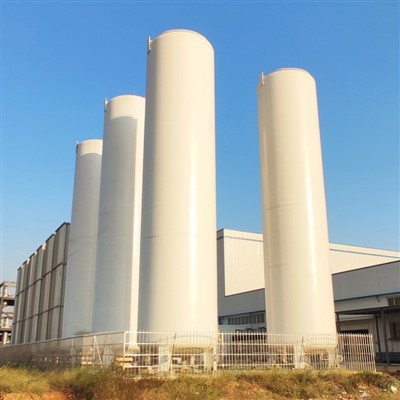
If you’re in the market for a new cryogenic pressure vessel, or you have an old one that’s been sitting in storage and needs a check-up, feel free to reach out. We’ve got over 15 years of experience working with all kinds of industries—pharmaceuticals, food and beverage, energy, manufacturing—and we can help you pick the right tank, or make sure your existing one is stored and working safely. Don’t risk your equipment, your safety, or your budget on bad storage habits. Hit us up anytime to chat through your needs.
Cryogenic Pressure Vessel References:
- Cryogenic Pressure Vessel Storage and Handling Guidelines. Compressed Gas Association, 2021.
- Industrial Cryogenic Equipment Maintenance Manual. American Society of Mechanical Engineers (ASME), 2022.
- Field Safety Practices for Cryogenic Storage Systems. National Fire Protection Association (NFPA), 2020.
Tianjin Baiyan Technology Co., Ltd.
With abundant experience, we are one of the most professional cryogenic pressure vessel manufacturers and suppliers in China. We warmly welcome you to buy customized cryogenic pressure vessel made in China here from our factory. If you have any enquiry about pricelist and quotation, please feel free to email us.
Address: No. 36, Jixian Road, Shuangqiaohe Development Zone, Jinnan District, Tianjin, China
E-mail: sales@tjbaiyan.com
WebSite: https://www.baiyan-tech.com/
