If you’ve ever driven through a suburban neighborhood at dusk, watching streetlights flick on reliably, or walked through a sprawling industrial park where assembly lines hum around the clock, you’ve likely passed a box type transformer without even noticing it. These compact, metal-clad units are the quiet workhorses that step high-voltage power from the grid down to the level that safely powers homes, factories, and public spaces. As a supplier who’s spent the last 12 years designing, manufacturing, and installing these units across North America and parts of Europe, I’ve learned that their biggest strength—versatility—also means they’re not a one-size-fits-all solution. Over the years, I’ve had customers call me asking, “Can I put this box transformer in my new remote solar farm?” or “Will this work for my downtown high-rise?” Most of the time, the answer is yes—but only if the environment is a match for the transformer’s design. Today, I want to break down exactly what environments box type transformers are built to thrive in, and which ones might leave them underperforming (or even damaged) over time. Box Type Transformer
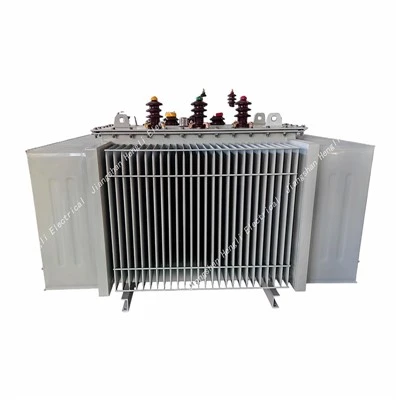
Let’s start with what a box type transformer is, for anyone who’s new to the space. Unlike traditional pole-mounted transformers that hang on wooden poles or large pad-mounted units that sit low to the ground, box type transformers are enclosed in a rigid, weatherproof steel enclosure that ranges from the size of a small garden shed to a large shipping container. Most are pre-assembled at the factory, which means they come with built-in breakers, switches, and monitoring systems—no messy on-site wiring for basic setups. That modular design is why they’ve become so popular, but it’s also what makes them ideal for specific environments.
First on the list: suburban residential communities. If you live in a subdivision built in the last 20 years, odds are your neighborhood power is supplied by a box type transformer. Here’s why this environment works perfectly. Suburban areas have tight space constraints—developers don’t want to carve out large plots for power infrastructure, and they need units that are quiet, visually unobtrusive, and safe from curious kids or lawn care equipment. Box type transformers check all those boxes. Their enclosed steel shells reduce noise levels (most of our residential models max out at 55 decibels, roughly the sound of a normal conversation), so they don’t disrupt backyard barbecues or weekend naps. We line the inside of the enclosure with sound-dampening foam specifically for residential installs, which is a feature we don’t add for industrial units. They’re also mounted either on a small concrete pad or partially buried, so they sit above ground but low enough that they don’t tower over trees or house rooftops. And critically, suburban environments have relatively stable operating conditions: temperatures that don’t swing as wildly as, say, a desert or arctic tundra, and exposure to limited dust, salt, or corrosive chemicals. That means our standard IP54-rated enclosure—enough to keep out rain and light dust—works perfectly here. I remember a customer in Austin, Texas, who built a new subdivision in 2021 and tried to use an old pad-mounted transformer instead of a box type. Within six months, dust from the nearby construction site had clogged the ventilation filters, causing the transformer to overheat and trigger a power outage for 120 homes. Once they swapped to our box type unit, which has a sealed ventilation system with self-cleaning filters, they haven’t had a single issue. That’s the kind of on-the-ground feedback that tells me suburban residential is a sweet spot for our products.
Next, commercial and light industrial zones. Think of a shopping center, a small manufacturing plant, a university campus, or a municipal building complex. These areas have different needs than suburbs: they require more power capacity, often have multiple separate electrical loads, and need the transformer to be integrated with building management systems for monitoring. Box type transformers are ideal here because they can handle higher voltage ratings (up to 35 kV, compared to 15 kV for most residential models) and come with integrated protection relays that let facility managers track real-time power usage, temperature, and fault conditions. A few years ago, we installed 18 of our medium-capacity box type transformers for a shopping center in Chicago that was expanding its parking lot to add 50 new EV charging stations. The old system used multiple small pole-mounted transformers that couldn’t supply enough power for the chargers without causing voltage drops across the entire center. Our box type units were mounted on unused concrete pads behind the parking garage, took up less space than the old pole setup, and were able to deliver 2 megawatts of power total—more than enough for the chargers plus the center’s existing stores. Commercial zones also usually have consistent access to maintenance teams, so we can include advanced features like remote monitoring that lets their electricians check in on the transformer from the office, no need to drive out to the unit every week. The environment here is also well-suited: commercial areas are rarely exposed to extreme weather or harsh chemicals, just regular exposure to exhaust from delivery trucks and occasional construction dust. That means our IP55-rated enclosure, which is dust-tight and can handle heavy rain, is more than enough. I always tell commercial customers that if they need flexibility in power delivery and easy monitoring, a box type transformer is the way to go, especially if they have plans to expand their electrical load in the next 10 years—these units are easy to upgrade with additional components without replacing the entire enclosure.
One environment that’s been growing a lot lately is renewable energy sites—specifically, solar farms and small wind projects. I know a lot of people don’t usually associate transformers with green energy, but box type units are actually perfect here. Renewable energy sites are often located in remote areas: solar farms on flat, arid land in Arizona, wind farms on high plains in Iowa or Wyoming, or small hydro projects in rural Canada. These locations need transformers that are rugged, can handle extreme temperatures and harsh weather, and are easy to install without relying on local construction teams that might not have experience with high-voltage equipment. Our box type solar transformers are built with reinforced steel enclosures that can handle 100+ mile per hour winds, a must for wind farm locations, and are rated for operating temperatures from -40°F to 120°F—something our standard models can’t do. They also come with built-in surge protection to handle the power fluctuations that come with variable solar or wind output, which is a common issue at remote renewable sites. Last year, we supplied a 2.5 MVA box type transformer for a small solar farm in New Mexico that’s located 30 miles from the nearest paved road. The unit was pre-fabricated at our factory in Texas, so it only took two days to deliver via flatbed truck and one day to install, compared to six weeks for a custom-built transformer that would have had to be assembled on site. The remote location means there’s no on-site maintenance team nearby, so we also added a remote monitoring system that sends alerts to our service team and the farm manager if there’s a fault, so we can dispatch technicians within 48 hours if needed. The only thing we caution renewable energy customers about is exposure to corrosive dust—solar farms in desert areas have fine silica dust that can get into unventilated systems, so we recommend our sealed, filtered ventilation units to prevent that from causing overheating.
Now that we’ve covered the environments where box type transformers shine, let’s talk about where they might not be the best fit, because that’s just as important for making the right choice. Box type transformers are not ideal for coastal locations with high salt exposure—think beachfront hotels, marinas, or coastal neighborhoods in Florida or North Carolina. Salt is extremely corrosive to steel, and even our standard coated enclosures will start to rust after a few years in constant salt spray. We’ve had customers install our standard residential box transformers in a beachfront subdivision in Florida, and within three years, the enclosure was so rusted that water was getting inside and damaging the internal wiring. For these environments, we have a specialized coastal-grade box type transformer with a stainless steel enclosure and a corrosion-resistant powder coat, but even that requires more frequent maintenance than our standard models. It’s not that our units can’t work there—it’s just that you need the right variant for the environment, which is something a lot of first-time customers don’t realize.
Another environment that’s not ideal is extremely remote areas with no access to regular power grid maintenance. Wait, hold on—let me clarify that. We can install box type transformers in remote areas, but only if there’s a way to access them for occasional inspections. For example, a solar farm in New Mexico has a maintenance crew that visits once a month, so that’s fine. But if you’re building a small off-grid cabin in the Canadian wilderness with no road access, a box type transformer is probably not the best choice, because you won’t be able to inspect or repair it if something goes wrong. In that case, a simpler, pole-mounted transformer that’s easier to replace might be a better option. We also don’t recommend box type transformers for very small, temporary installations—like a construction site that only needs power for six months. The upfront cost of a box type unit is higher than a temporary pole-mounted transformer, so it’s not cost-effective for short-term use.
Over the last 12 years, I’ve seen too many customers make the mistake of buying a transformer that works for their neighbor, without considering their specific environment. A customer in a snowy mountain town in Colorado once asked for the same model we supplied to a Texas subdivision, and when I visited the site, I realized it didn’t have the cold-weather heating system that our mountain models have. The unit’s oil started to thicken during the winter, and it almost failed before we swapped it out. That’s why, as a supplier, I always start every conversation with a customer by asking about their environment: what’s the temperature range year-round? Is it near salt water, or exposed to dust or chemicals? How much power do they need, and how often will the transformer need maintenance? Those details tell us exactly which box type transformer is right for them.
The great thing about box type transformers is that they’re designed to adapt, as long as you match the unit to the environment. Whether you’re a developer building a new subdivision, a shopping center adding EV chargers, a farmer installing a solar array, or a city planning a new public transit system, there’s a box type transformer variant that will fit your needs. They’re durable, modular, easy to install, and reliable—something I’ve proven time and again with our installations across North America.
If you’re in the market for a new transformer, or you’re replacing an old one and want to learn more about whether a box type unit is right for your environment, I’d love to hear from you. We work with projects of all sizes, from small residential neighborhoods to large industrial and renewable sites, and we can help you pick the right model, customize any features you need, and make sure it’s installed safely and efficiently. Don’t guess at what will work for your site—reach out to our team of experts, and we’ll walk you through every step. Let’s make sure your power is reliable, no matter what environment your project is in.
Electric Furnace Transformer References
- Electric Power Research Institute. (2020). Selection and Application of Distribution Transformers for Urban and Suburban Environments. EPRI Press.
- International Electrotechnical Commission. (2018). IEC 60076-11: Power Transformers – Part 11: Dry-type Transformers. IEC Standards.
- North American Electric Reliability Corporation. (2021). Renewable Energy Grid Integration: Transformer Requirements for Remote Generation Sites. NERC Technical Report.
- Institute of Electrical and Electronics Engineers. (2019). IEEE C57.12.00: Standard General Requirements for Liquid-Immersed Distribution, Power, and Regulating Transformers. IEEE Standards.
Zhejiang Jiangshan Hengli Electrical Co., Ltd.
Zhejiang Jiangshan Hengli Electrical Co., Ltd. is one of the most professional box type transformer manufacturers and suppliers in China, featured by quality products and low price. Please rest assured to wholesale cheap box type transformer in stock here and get pricelist from our factory. Customized orders are welcome.
Address: 212 Fuzhu Street Sidu Town, Jiangshan, Zhejiang, China
E-mail: henglijs@foxmail.com
WebSite: https://www.henlypower.com/
