Hey everyone, and welcome back to my little corner of the industry where we cut through the jargon and talk real shop about aluminum strip coils. If you’ve ever wondered why aluminum is the go-to for everything from gutters to automotive trim, or why some aluminum parts hold up way better than others, you’re in the right place. Today we’re diving into the big one: what’s actually going on with the corrosion resistance of aluminum strip coil? As someone who’s been in the aluminum strip coil supplier game for over a decade, I’ve fielded this question from roofers, HVAC techs, custom fabrication shops, and even food equipment makers more times than I can count. Let’s break this down like we’re chatting over a coffee, no stuffy textbook nonsense. Aluminum Strip Coil
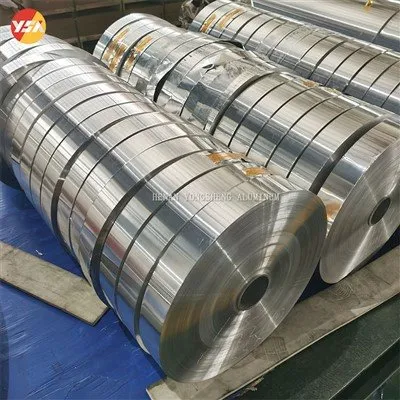
First off, let’s get one thing straight—aluminum is NOT rust-proof. Wait, hold up, I know that sounds crazy, but rust is specifically iron oxide, right? Aluminum makes its own weird, protective layer, and that’s where all the magic (and sometimes confusion) lives. Most people mix up “rust” with any kind of metal corrosion, so let’s set the record straight first: when aluminum starts to break down, it forms aluminum oxide, not rust. That layer is key here.
Here’s the science that actually matters for anyone buying aluminum strip coil: when aluminum is exposed to oxygen in the air (even just regular air, not some lab-grade stuff), a super thin, almost invisible layer of Al2O3 pops up on the surface in like seconds. It’s only a few nanometers thick—we’re talking smaller than a speck of dust you can see—but it’s a tough, tightly bonded barrier that keeps the air and water from getting to the aluminum underneath. Think of it like a really good rain jacket that’s permanently stuck to your skin, not something you have to reapply every year.
But wait, it’s not invincible, right? I’ve seen aluminum parts go great for 20 years then start looking sad, or even aluminum that corroded after a couple years in a weird environment. That’s where the differences in aluminum strip coil come in—what alloy it is, how it’s finished, and what it’s exposed to make all the difference. Let’s talk alloys first because that’s the biggest variable most people don’t ask enough about.
If you’re buying off-the-shelf aluminum strip coil, the common alloys are 1xxx, 3xxx, and 5xxx, and they each have totally different corrosion resistance. 1xxx is pure aluminum—like 99% or higher. That’s the soft, stuff you use for food cans or foil, right? Pure aluminum has really good natural corrosion resistance because that oxide layer forms so easily. It’s great for mild environments, like indoor parts or areas with low humidity. But it’s soft, so it dents easy, and that dent can scratch the oxide layer, which might leave a weak spot.
Then there’s 3xxx alloy, which is the workhorse for most construction stuff—gutters, siding, roofing. It has a little manganese added to make it stronger than pure aluminum, and it still keeps that great natural corrosion resistance. I see a lot of people mix up 3003 alloy (the most common 3xxx) with other metals, but the manganese actually helps the oxide layer form more evenly, so it’s less prone to pitting in regular outdoor air. That’s why it’s been the go-to for residential and light commercial construction for decades.
5xxx alloy is where things get interesting—those have magnesium added, so they’re even stronger, more durable for heavy use. I usually recommend 5052 alloy for things like marine parts, truck trim, or industrial equipment that’s around chemicals or salt. Wait, why? The magnesium actually doesn’t mess with that protective oxide layer at all, in fact, it can help it hold up better against things like salt spray, which is why it’s used for boats. I had a customer a couple years back who runs a boat repair shop, and they were using 3003 for trim pieces that would start showing white corrosion streaks after one summer on the water. Switched to 5052, and they haven’t had a corrosion complaint since. That’s the real world stuff, not just numbers on a page.
Now, what about finishes? Because even if you have the right alloy, a bad finish can kill corrosion resistance. A lot of people ask about coated vs. uncoated aluminum strip coil. Uncoated is just the bare oxide layer, which is great for mild environments, but if you’re in a place with high humidity, road salt, or industrial pollution, that bare layer can get damaged. Like, if you drag a piece of uncoated aluminum across a rough surface, you scratch that oxide layer, and water can seep in, leading to pitting—those little tiny holes that get bigger over time.
That’s why coated aluminum strip coil is so popular. The main coatings we use are PVDF (polyvinylidene fluoride, or what people just call “fluorocarbon”) and polyester. PVDF is the heavy hitter—used for commercial roofing, high-end siding, places where the material has to last 20+ years. It’s super resistant to UV rays, so it doesn’t fade or peel, and it acts as an extra barrier on top of the aluminum oxide layer, blocking moisture and chemicals. I’ve seen PVDF-coated aluminum gutters in Florida that have been up for 30 years, still looking good, no corrosion. Polyester is more of a mid-tier option, cheaper, works great for residential stuff in areas that aren’t super harsh—like if you’re in the Midwest where they use road salt in winter, polyester might hold up 10-15 years, but PVDF will go double that.
Wait, there’s also powder coating, which is super common these days. Powder coating is a dry paint that’s electrostatically applied and baked on, so it’s thicker and more durable than liquid paint. It’s a great option too, and I’ve had customers use it for custom parts because you can get any color you want, and it has really good corrosion resistance as long as it’s applied right. The key here is that no finish is perfect if it’s not done correctly—if there are pinholes in the coating, or if it’s not bonded well to the aluminum, you’ll have issues, same as a scratch on bare metal.
Now, let’s talk about what actually causes aluminum strip coil to corrode, because it’s not just “being outside.” The big culprits are things that mess up that oxide layer. First, chloride ions—salt, basically. Road salt in winter, ocean spray, even some cleaning chemicals have chloride, and they can break down the aluminum oxide layer over time. That’s why aluminum on the coast or in snowy states where they salt roads needs a better alloy and better coating. Then there’s acid rain, or industrial pollution—things like sulfur dioxide from factories, which makes the air more acidic, and that can eat through the oxide layer if the coating is thin or damaged.
Another thing people don’t think about is dissimilar metal contact. If you bolt aluminum strip coil to steel, for example, that’s a galvanic corrosion setup. The two metals have different electrical potentials, so when water gets between them, it creates a small battery that eats away at the aluminum. I’ve seen this with old gutters that were nailed with steel nails—they rusted through where the nail touched the aluminum, because the steel corroded and the aluminum got eaten away too. That’s a quick fix, though—just use stainless steel fasteners when working with aluminum, and you avoid that whole problem.
Let’s get real with some numbers here, because people love data. I often tell customers: properly maintained, coated aluminum strip coil in a mild urban or suburban environment (low salt, average humidity) will last 25-50 years with almost no corrosion signs. Uncoated aluminum in that same environment is around 15-25 years. Put that same uncoated aluminum near the ocean, and that drops to 5-10 years, whereas a good PVDF-coated 5xxx alloy coil will last 20+ years there. In snowy areas with lots of road salt, coated 3xxx is 10-20 years, uncoated is maybe 5-7. Those are rough estimates, of course—everything depends on setup, maintenance, how it’s installed.
Wait, maintenance! I can’t stress that enough. A lot of people buy aluminum strip coil, install it, and forget about it, and then wonder why it corroded. Simple stuff like cleaning gutters regularly to get rid of leaves and debris that hold moisture, washing down aluminum parts near the coast to get rid of salt spray, fixing any small scratches in the coating as soon as they happen—those little things add years to the life of the coil. I had a customer a couple years back who had a 30-year-old aluminum roof, uncoated, that had a few small rust (wait, aluminum oxide) spots from where a tree branch had scratched it. We touched up those spots with a small can of aluminum primer, and it’s still going strong another 5 years later. That’s not rocket science.
Now, let’s address some common myths I hear all the time. Myth #1: “All aluminum is the same, so corrosion resistance is identical.” Nope, as we talked about earlier, pure aluminum vs. 5xxx vs. coated vs. uncoated is night and day. Myth #2: “Branded aluminum strip coil is better than generic.” Not always, but good suppliers test their alloys and coatings, so you know what you’re getting. As a supplier, I test every batch of aluminum strip coil we send out for corrosion resistance, do salt spray tests, check the coating thickness, because I don’t want my customers having issues down the line. That’s part of the job, not an extra. Myth #3: “If it’s aluminum, it won’t corrode anywhere.” Wrong, like the ocean example—aluminum can corrode, you just have to pick the right type for the job.
So, what does this mean if you’re in the market for aluminum strip coil? Let’s break it down by use case, since that’s what people actually care about. If you’re doing residential siding or roofing in a mild, inland area, 3003 alloy with a polyester coating is perfect, it’s cost-effective and will last a long time. If you’re on the coast, or working on marine applications, go for 5052 alloy with PVDF coating—worth the extra money for the longevity. If you need something for food equipment, pure aluminum (1100 alloy) with a food-grade coating is ideal, since it’s non-reactive and easy to clean. If you’re doing custom fabrication, powder-coated aluminum strip coil gives you the best of both: color options and good corrosion resistance.
Wait, let’s also mention something that’s been growing a lot lately—aluminum strip coil for solar panels, or for EV parts. Those applications need super consistent corrosion resistance, right? Solar panels are outside 24/7, exposed to sun, rain, temperature swings, so they use a high-grade coated aluminum, usually 3xxx or 5xxx with a durable coating that can handle 25+ years of outdoor exposure. I’ve been supplying aluminum strip coil to a few solar installers in the Southwest, and they’ve had zero corrosion issues in the 5 years we’ve been working together, as long as we matched the alloy and coating to their specific environment.
Now, let’s talk about mistakes I see customers make, because that’s where people get tripped up. Buying the cheapest aluminum strip coil you can find—sometimes the supplier cuts corners on the coating, or uses a lower-grade alloy that’s not suitable for the job. For example, a customer once bought super cheap uncoated aluminum for a gutter project in Buffalo, where they salt roads like crazy. By the next winter, the gutters had white corrosion streaks running down the side, and by year three, they had holes. He came back to us, and we sold him coated 3003, and he hasn’t had a problem since. That’s the old “you get what you pay for” adage, but it’s so true here.
Another mistake: not matching the alloy to the end use. Using pure aluminum for something that needs to be strong, like truck bed liners—pure aluminum is too soft, it dents easy, and the dent can break the oxide layer, leading to corrosion. 5052 is much stronger, holds up better to impact, and still has great corrosion resistance.
So, to wrap this up, what’s the takeaway on aluminum strip coil corrosion resistance? It’s not a one-size-fits-all answer, but here’s the short version: natural corrosion resistance comes from that thin, tough aluminum oxide layer that forms on any aluminum surface, and you can boost it with the right alloy and a quality coating. Mild environments get by with a solid 3xxx alloy and a mid-tier coating. Harsh environments (salt, industrial pollution, high humidity) need a stronger alloy (5xxx) and a heavy-duty coating like PVDF. Proper installation and basic maintenance go a long way too—no amount of good aluminum will survive being installed wrong or left to rot under a pile of leaves.

If you’re trying to figure out what aluminum strip coil is right for your project, or if you have questions about corrosion resistance for a specific application, feel free to reach out. We can talk through your environment, your budget, what the part is going to be used for, and help you pick the exact coil that will last as long as you need it to. No pushy sales talk, just real advice from someone who’s been doing this for years and doesn’t want customers coming back with corrosion problems down the line.
Container Aluminum Foil References:
- Davis, J.R. (Ed.). Corrosion of Aluminum and Aluminum Alloys. ASM International, 1993.
- McCune, R.C. “The Fundamentals of Aluminum Corrosion and Protection.” Journal of Materials Engineering and Performance, vol. 8, no. 2, 1999, pp. 187-195.
- American Architectural Manufacturers Association (AAMA) Standard 2605-16, Volatile Organic Compound (VOC) Content Specification for Coatings on Aluminum Extrusions and Panels, 2016.
- ASM Handbook, Volume 13A: Corrosion: Fundamentals, Testing, and Protection. ASM International, 2003.
Henan Yongsheng Aluminum Industry Co., Ltd.
We are one of the most reliable aluminum strip coil manufacturers and suppliers in China. With abundant experience, we warmly welcome you to buy high-grade aluminum strip coil for sale here from our factory. All custom made products are with high quality and competitive price.
Address: Gongyi City Industrial Cluster District, Huiguo Town, Gongyi City, Henan Province
E-mail: eric@ysaluminum.cn
WebSite: https://www.ysaluminummill.com/
