If you’re reading this, chances are you either work with PP woven laminated bags regularly—maybe you source them for agricultural produce, industrial raw material storage, retail packaging, or construction supplies—or you’re looking to invest in these durable, cost-effective solutions and want to know how to make them last as long as possible. As someone who’s been supplying PP woven laminated bags for over a decade, I’ve seen firsthand how a little routine care can extend the lifespan of these bags by months, even years, while also preventing costly waste and product damage. I’ve worked with small-scale grain farmers in the Midwest, large construction firms in the Southeast, and food processing plants across the country, and one thing rings true for all of them: proper maintenance isn’t rocket science—it’s just about knowing what these bags can (and can’t) handle, and sticking to a few simple habits. Pp Woven Laminated Bag
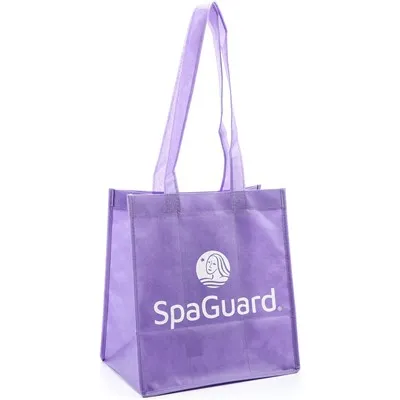
First, let’s get clear on what PP woven laminated bags are, because their maintenance ties directly to their composition. PP (polypropylene) woven bags are made from interwoven polypropylene monofilaments, and the “laminated” part refers to a thin layer of low-density polyethylene (LDPE) or linear low-density polyethylene (LLDPE) that’s heat-bonded to both inner and outer surfaces. That lamination is what makes them water-resistant, adds tear strength, and prevents fine powders or grains from seeping through—but it’s also the most vulnerable part of the bag, so that’s where most of our maintenance focus should be.
Let’s start with the most common mistake I see new customers make: improper storage when the bags are empty. When a new shipment of PP woven laminated bags arrives, they’re folded neatly, stacked on pallets, and wrapped in plastic, which keeps them clean, dry, and protected from UV rays. But too often, customers leave these stacks sitting outside in a warehouse yard, exposed to direct sunlight and rain for weeks before they ever use them. I can’t tell you how many times I’ve heard a client say, “These bags tore before I even put anything in them,” only to show me a stack faded to a chalky gray color from overexposure to UV radiation. The laminated outer layer is treated with UV stabilizers for a reason—they slow down the breakdown of PP from sunlight, but they’re not invincible. Most standard UV-stabilized laminated bags will hold up for about 12 months if stored correctly, but that drops to just 3 to 6 months if left in direct sunlight. So for empty bag storage, my first rule is simple: keep them indoors, in a cool, dry, shaded area, away from open windows, roof leaks, or outside storage that gets any direct sun. If you have to store them temporarily outside (I know space is tight for many small operations), cover the entire pallet with a heavy-duty tarpaulin that blocks both sunlight and moisture, and try to use those bags first—put the oldest ones in the front of your inventory so you don’t have expired, over-stocked bags sitting around.
Next, loading and unloading practices, which are huge for preventing tears and punctures during the bag’s working life. PP woven laminated bags are strong—each standard 50lb grain bag has a tensile strength of around 200lbs per inch, enough to hold heavy, uneven loads—but they’re not indestructible, and rough handling is the top cause of early failure. I worked with a large feed supplier a few years back who was having a 15% return rate on bags that tore mid-transit from the warehouse to the farm. When we did an audit, we found their forklift operators were driving too fast and slamming forks into the bottom of palletized bags, creating sharp punctures along the base. Another common issue: overloading bags. It might seem like a no-brainer, but many clients will put 60lbs of grain or feed into a bag rated for 50lbs because they don’t want to waste product, or they’re testing how much the bag can hold. The truth is, every PP woven laminated bag is tested to a specific weight capacity based on the thickness of the woven PP and the lamination grade. Exceeding that weight puts excess stress on the seams and the interwoven fibers, leading to splits along the side or bottom, especially when the bag is moved or stacked. My advice here: invest a few extra minutes to label each bag with its exact weight capacity, train your loading teams to stay within that limit, and teach forklift and pallet jack operators to approach bags slowly, align forks with the pallets, and never jam them into the bag stacks. If you’re using manual labor to move individual bags, avoid dragging them across concrete, gravel, or metal surfaces—those hard, rough surfaces will scratch and tear the laminated outer layer, and even small scratches can turn into big tears when the bag is loaded. A simple $20 rubber mat at the end of a loading dock will prevent 90% of those surface scratches.
Now, what happens after you’ve filled the bags and you’re storing or transporting the full loads? Stacking is another area where a small mistake can cause big problems. When stacking full PP laminated bags, the general rule is no more than 6 to 8 high for standard 50lb bags. Wait, you might say, “But my warehouse has stacked them 10 high for years!” I’ve seen that too, but over time, that extra height puts uneven pressure on the bottom layer of bags, especially if the load inside is heavy or granular. The laminated bottom of the bottom bags will stretch and thin out, eventually developing weak points that rupture when you try to move the stack. Another stacking tip: never stack bags directly on the floor, even if it’s a concrete floor. Concrete is porous, and if there’s any moisture on it (even just condensation overnight), that will seep through the bottom of the bag and compromise the lamination’s adhesive bond over time, leading to delamination, where the PP layer separates from the lamination. Use pallets made of plastic or pressure-treated wood, and if you’re storing the bags long-term, add a layer of plastic sheeting or pallet covers between the pallets and the floor for extra moisture protection. Also, avoid stacking different types of loads in the same stack—if you have a stack of 50lb grain bags next to a stack of 100lb fertilizer bags, the heavier bags will pinch and tear the lighter ones beneath them.
Moisture exposure is a big one too, even though these bags are laminated to be water-resistant. They’re not waterproof, and they’re not meant to be submerged in water for long periods. I once had a small family farm client whose entire supply of onion bags got rained on while they were left on a flatbed truck for three days during a harvest. The onions inside got damp, and as the bags dried out, the lamination shrank slightly, causing small splits along the seams where the PP fibers had expanded from the moisture. That’s a problem that’s preventable: if you’re transporting bags in open trucks, cover them with a waterproof tarp, and never leave full loads exposed to heavy rain or snow for extended periods. If you work in a climate with high humidity, make sure your storage area has good ventilation—trapped humidity can lead to mold growth on the outer surface of the bags, which eats away at the UV stabilizers and weakens the PP fibers over time. A dehumidifier for small warehouse spaces is a low-cost investment that pays off in longer bag life.
What about cleaning the bags? You might be surprised to learn that PP woven laminated bags can be cleaned, which is a great way to reuse them for secondary storage or even resell them (if you’re in the business of reusing packaging). But you have to clean them the right way—no harsh chemicals, no high heat. Never put PP bags in a washing machine, and never use a pressure washer with a nozzle that’s set to high pressure, because that can puncture the lamination or push water through the seams. The best way to clean small to medium batches is to use a mild, pH-neutral soap (like dish soap) and a soft-bristle brush, rinse with lukewarm (not hot) water, and let them air dry completely in a shaded, well-ventilated area before storing or reusing them. I worked with a food co-op that reuses our PP grain bags to collect community garden produce, and they’ve been doing this for three years with a 90% bag survival rate—they just follow that mild cleaning method, and it works. If you have bags that are heavily soiled with grease or oil (common in industrial settings, like storing metal parts or lubricants), don’t try to clean them—dispose of them properly, because oil breaks down the PP and lamination, making them unsafe to use for food or other products.
One last thing: regular inspections. You don’t have to do a full deep inspection every week, just a quick check every time you pull a new batch of bags out of storage, or every time you fill a load. Look for signs of UV damage: chalky, faded spots, brittle edges, or small cracks in the laminated layer. Check for seam integrity by gently pulling on the sides of the bag—if it stretches more than it should or if threads pull loose, that’s a sign of a weak seam that could split when loaded. Check for punctures or scratches along the bottom and sides, which can be patched if they’re small (I recommend using a PP-specific adhesive patch, not regular duct tape, which will peel off when the bag is exposed to moisture or heat). If the damage is severe—large tears, delaminated layers, or weak seams near the top closure—don’t use the bag for heavy loads. Repurpose it for light tasks, like storing empty pallets or small tools, instead of risking product loss during transport.
At the end of the day, PP woven laminated bags are one of the most cost-effective packaging solutions on the market, but their value depends on how you care for them. I’ve seen clients who get 10 uses out of a single bag, and others who get only one use, all because of small, consistent habits. If you’re sourcing new bags, make sure you’re working with a supplier who tests their bags for UV resistance, seam strength, and lamination quality— that’s the first line of maintenance right there, because a bag that’s poorly made can’t be fixed no matter how carefully you treat it.
If you’re looking for high-quality, durable PP woven laminated bags tailored to your specific needs—whether that’s for agricultural produce, industrial storage, retail, or construction—we can help. Our bags are manufactured with premium UV stabilizers, reinforced double-stitched seams, and food-grade lamination options available, and we offer custom sizes and prints to fit your products. To learn more about bulk pricing, minimum order quantities, or to ask any questions about maintaining your bags, reach out to our team to discuss your requirements. We work with businesses of all sizes, from small family farms to large national corporations, and we’re here to help you get the most out of your packaging investment.
Non Woven Laminated Bag References
- Polypropylene Woven Bags: Material Properties and Performance Guidelines. The Packaging Association, 2021.
- UV Degradation of Polyethylene Laminates for Packaging Applications. Journal of Plastic Film & Sheeting, Vol. 37, No. 2, 2020, pp. 145-162.
- Best Practices for Handling and Storing Flexible Intermediate Bulk Containers (FIBC) and Woven Bags. Occupational Safety and Health Administration (OSHA), 2019.
- Reusability of Polypropylene Packaging: Cleaning Methods and Longevity Testing. Sustainable Packaging Coalition, 2022.
- Tensile and Puncture Strength Standards for PP Woven Laminated Bags. International Organization for Standardization (ISO) 17593:2018.
Jiade (Wenzhou) Daily Necessities Co., Ltd.
As one of the most professional pp woven laminated bag manufacturers and suppliers in China, we’re featured by quality products and good price. Please rest assured to buy bulk discount pp woven laminated bag from our factory. We also accept customized orders.
Address: Building2,NO.1299,keji Road, Longgang City,Wenzhou City,Zhejiang Province,China.
E-mail: lhf@lianhaibag.com
WebSite: https://www.jiadebag.com/
