What is the light transmittance rate of a translucent fiberglass panel?
As a trusted supplier of translucent fiberglass panels, I often encounter numerous inquiries regarding the key properties of these remarkable building materials. Among the most frequently asked questions is about the light transmittance rate of a translucent fiberglass panel. In this comprehensive guide, I will delve into the topic, explaining what light transmittance rate is, its significance, and the factors that affect it. Translucent Fiberglass Panel
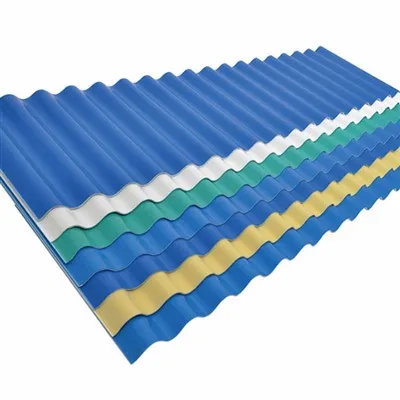
Understanding Light Transmittance Rate
Light transmittance rate refers to the percentage of incident light that passes through a material. For translucent fiberglass panels, this metric is crucial as it directly impacts the amount of natural light that can penetrate into a structure. It is expressed as a ratio, where a higher percentage indicates that more light can pass through the panel.
This property is not only a matter of aesthetics but also has significant implications for energy efficiency and the comfort of the building’s occupants. A well – engineered translucent fiberglass panel with an appropriate light transmittance rate can reduce the need for artificial lighting during the day, leading to lower energy consumption and cost savings.
Significance of Light Transmittance Rate in Building Applications
In architectural and construction applications, the light transmittance rate of translucent fiberglass panels plays a pivotal role. In greenhouses, for example, a high light transmittance rate is essential. Plants rely on sunlight for photosynthesis, and a panel that can efficiently transmit light allows for optimal growth conditions. A panel with a transmittance rate of 80% or higher can ensure that a large amount of sunlight reaches the plants, promoting healthy development.
In industrial buildings and warehouses, proper lighting is necessary for safety and productivity. Translucent fiberglass panels with suitable light transmittance rates can create a well – lit environment without relying solely on electric lighting. This not only cuts down on energy costs but also reduces the heat generated by artificial lighting, contributing to a more comfortable working environment.
In commercial and residential buildings, the right light transmittance can enhance the visual appeal of interior spaces. Natural light creates a warm and inviting atmosphere, and a panel with appropriate transmittance can regulate the amount of light entering the building, preventing harsh glares and excessive heat gain.
Factors Affecting the Light Transmittance Rate of Translucent Fiberglass Panels
Panel Thickness
The thickness of a translucent fiberglass panel is a major factor influencing its light transmittance rate. Generally, thinner panels have a higher light transmittance rate. As light travels through the panel, a portion of it is absorbed or scattered. Thicker panels provide more material for light to interact with, resulting in more absorption and scattering, and thus a lower light transmittance rate.
For instance, a 3 – millimeter thick translucent fiberglass panel may have a light transmittance rate of around 85%, while a 6 – millimeter thick panel of the same material may have a transmittance rate of approximately 75%. When choosing a panel, the desired light transmittance must be balanced with other requirements such as structural strength, which may necessitate a thicker panel.
Resin Matrix and Additives
The resin matrix used in the manufacturing of translucent fiberglass panels also has a significant impact on light transmittance. Different types of resins have different optical properties. Clear or lightly pigmented resins tend to have higher light transmittance compared to highly pigmented or opaque resins.
Additives can also be used to modify the light – transmitting properties of the panel. UV stabilizers, for example, are often added to protect the panel from the harmful effects of sunlight. While these additives are essential for the longevity of the panel, they can slightly reduce the light transmittance rate. Manufacturers need to carefully balance the use of additives to ensure both long – term durability and an acceptable light transmittance rate.
Surface Finish
The surface finish of a translucent fiberglass panel can affect its light transmittance. A smooth surface finish allows light to pass through more easily, resulting in a higher transmittance rate. In contrast, a textured or rough surface can scatter light, reducing the amount of light that passes straight through the panel.
However, a textured surface may have other advantages. It can reduce glare, which is beneficial in applications where direct sunlight may cause discomfort or visual impairment. Therefore, the choice of surface finish depends on the specific requirements of the building project.
Fiberglass Content and Orientation
The amount and orientation of fiberglass within the panel can influence light transmittance. Higher fiberglass content can enhance the structural strength of the panel, but it may also reduce light transmittance. The fiberglass strands can scatter and absorb light, especially if they are not properly aligned.
When the fiberglass is oriented in a way that promotes the passage of light, the transmittance rate can be improved. Modern manufacturing techniques allow for better control over the orientation of fiberglass, enabling manufacturers to produce panels with both high structural integrity and desirable light – transmitting properties.
Measuring the Light Transmittance Rate
The light transmittance rate of translucent fiberglass panels is typically measured using a spectrophotometer. This device measures the amount of light that passes through the panel at different wavelengths within the visible light spectrum.
Manufacturers usually conduct these tests under standardized conditions to ensure consistency and accuracy. The results are then provided to customers as a specification, indicating the panel’s light – transmitting capabilities. However, it’s important to note that the actual light transmittance in a real – world application may vary depending on factors such as the angle of light incidence and the presence of dirt or other contaminants on the panel surface.
Customizing Light Transmittance for Specific Projects
As a supplier, I understand that different projects have different requirements when it comes to light transmittance. That’s why we offer customized solutions to meet the specific needs of our clients. Whether it’s a greenhouse that requires maximum light penetration or an office building that needs a balanced amount of natural light without glare, we can adjust the panel’s thickness, resin type, and surface finish to achieve the desired light transmittance rate.
Our team of experts works closely with architects, contractors, and building owners to understand their project goals and provide technical support throughout the selection process. We also offer samples for testing, allowing our clients to evaluate the light – transmitting properties of the panels in their intended environment before making a final decision.
Conclusion
The light transmittance rate of a translucent fiberglass panel is a crucial property that affects its performance in various building applications. By understanding the factors that influence light transmittance and the measurement methods, building professionals can make informed decisions when selecting the right panel for their projects.
Powder Coated Anti Corrosive Purlins As a supplier, I am committed to providing high – quality translucent fiberglass panels with customizable light transmittance rates. Our expertise in manufacturing and technical support ensures that our clients receive the best solutions for their specific needs. If you are considering using translucent fiberglass panels in your next project, I encourage you to reach out to us. We would be delighted to discuss your requirements and assist you in finding the perfect panel with the optimal light transmittance rate.
References
- ASTM International. (Year). Standard test methods for determining the light transmittance of plastics. ASTM D1003.
- Fiberglass Reinforced Plastics Handbook. (Publisher, Year).
- Architectural Lighting Design Guidelines. (Organization, Year).
Handan Donghong Fiberglass & Color Steel Manufacturing Co., Ltd.
Handan Donghong Fiberglass & Color Steel Manufacturing Co., Ltd. is one of the most professional translucent fiberglass panel manufacturers and suppliers in China, featured by quality products and good price. Please rest assured to wholesale durable translucent fiberglass panel made in China here and get quotation from our factory. Customized orders are welcome.
Address: South side of the road, 2,000 meters west of the intersection of Nanhuan Road and Airport Road, Hanshan District, Handan City.
E-mail: leo@dhpcfrp.com
WebSite: https://www.dhfrpsheet.com/
