As a supplier of swimming pool heat pumps, I often encounter a variety of questions from customers. One question that comes up frequently is, "Can a swimming pool heat pump cool the pool?" This is an interesting and practical question, and in this blog, I’ll delve into the science behind it, explore the feasibility, and discuss the benefits and limitations of using a pool heat pump for cooling. Swimming Pool Heat Pump
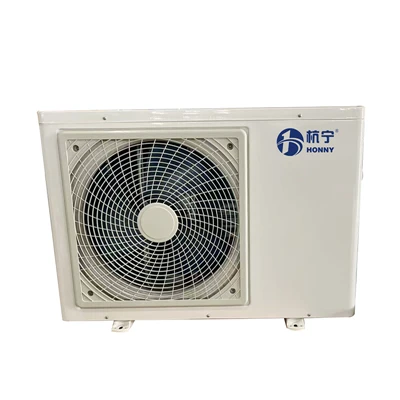
How a Swimming Pool Heat Pump Works
Before we discuss the cooling aspect, it’s essential to understand how a swimming pool heat pump works in the heating mode. The basic principle of a pool heat pump is based on the refrigeration cycle, which is similar to that of a refrigerator or an air – conditioner, but with a different application.
A heat pump consists of four main components: an evaporator, a compressor, a condenser, and an expansion valve. In heating mode, the evaporator absorbs heat from the surrounding air. The refrigerant inside the evaporator evaporates into a gas as it absorbs this heat. The compressor then compresses the refrigerant gas, increasing its temperature and pressure. The hot, high – pressure gas then flows to the condenser, where it releases heat to the pool water, heating it up. Finally, the refrigerant passes through the expansion valve, where its pressure is reduced, and it returns to the evaporator to start the cycle again.
Can a Heat Pump Cool a Pool?
The short answer is yes, a swimming pool heat pump can cool a pool. The key lies in reversing the refrigeration cycle. Just like in a reversible air – conditioner, a pool heat pump can be designed to operate in reverse. When the heat pump is set to the cooling mode, the process is essentially the opposite of the heating process.
The evaporator now interacts with the pool water. The refrigerant in the evaporator absorbs heat from the pool water, causing the water temperature to drop. The refrigerant then evaporates into a gas and is compressed by the compressor. The hot, high – pressure gas is then sent to the condenser, where it releases the absorbed heat to the outside air. After that, the refrigerant passes through the expansion valve and returns to the evaporator to continue the cycle.
Benefits of Using a Pool Heat Pump for Cooling
Energy Efficiency
One of the significant advantages of using a heat pump to cool a pool is its energy efficiency. Heat pumps are known for their ability to move heat rather than generate it. In cooling mode, they can extract heat from the pool water and transfer it to the outside air with relatively low energy consumption compared to traditional cooling methods. This means that you can keep your pool at a comfortable temperature without sky – high electricity bills.
Year – Round Use
For many pool owners, having a pool that can be used throughout the year is a dream. A heat pump that can both heat and cool the pool allows for this year – round functionality. In the colder months, you can use the heat pump to warm the water, and in the hot summer, you can switch it to cooling mode to prevent the water from getting too warm.
Environmental Friendliness
Heat pumps are more environmentally friendly than many other cooling options. They do not rely on the combustion of fossil fuels to function, which means they produce fewer greenhouse gas emissions. By using a heat pump to cool your pool, you are contributing to a more sustainable environment.
Limitations of Using a Pool Heat Pump for Cooling
Climate Dependence
The performance of a pool heat pump in cooling mode is highly dependent on the outside temperature. Heat pumps work by transferring heat to the outside air. If the outside air temperature is too high, the heat pump will have a harder time dissipating the heat from the pool water, and its cooling efficiency will decrease. In extremely hot climates, a heat pump may not be able to cool the pool to the desired temperature.
Initial Cost
The upfront cost of a pool heat pump that can both heat and cool is generally higher than that of a single – function heat pump. This is because the heat pump needs to be designed with a reversing valve and other components to enable the reverse operation. However, it’s important to consider the long – term savings on energy costs and the added convenience of year – round functionality.
Considerations When Choosing a Pool Heat Pump for Cooling
Capacity
When selecting a pool heat pump for cooling, it’s crucial to choose the right capacity. The capacity of a heat pump is measured in British Thermal Units (BTUs) per hour. A heat pump with a too – low capacity will not be able to cool the pool effectively, while a heat pump with a too – high capacity may be more expensive to purchase and operate. You need to consider the size of your pool, the local climate, and how often you use the pool when determining the appropriate capacity.
Coefficient of Performance (COP)
The Coefficient of Performance (COP) is an important indicator of a heat pump’s energy efficiency. In cooling mode, a higher COP means that the heat pump can remove more heat from the pool water using less energy. When comparing different pool heat pumps, look for models with a high COP to ensure that you are getting the most energy – efficient option.
Real – World Applications
Many pool owners in moderate climates have successfully used pool heat pumps for both heating and cooling. For example, in areas where the summer temperatures are warm but not extremely hot, a heat pump can effectively keep the pool water at a refreshing temperature. In the spring and fall, when the temperatures are more mild, the heat pump can be used to heat the water, extending the swimming season.
Commercial pool operators can also benefit from using heat pumps for cooling. Hotels, resorts, and community centers with swimming pools can provide a more comfortable swimming experience for their guests by using a heat pump to regulate the pool temperature. This can enhance the overall customer satisfaction and attract more visitors.
Conclusion
In conclusion, a swimming pool heat pump can indeed cool a pool. It offers several benefits, such as energy efficiency, year – round use, and environmental friendliness. However, it also has some limitations, mainly related to climate dependence and initial cost. When choosing a pool heat pump for cooling, it’s important to consider factors like capacity and COP.
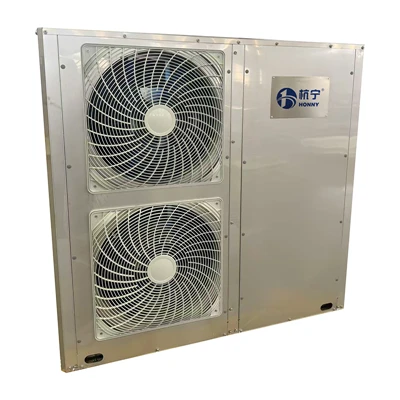
If you’re interested in purchasing a swimming pool heat pump that can heat and cool your pool, we are here to help. Our team of experts can assist you in selecting the right product for your specific needs. We have a wide range of high – quality pool heat pumps with different capacities and features. Contact us to start a conversation about your pool heating and cooling requirements. We are committed to providing you with the best solutions and exceptional customer service.
Grain Cooler References
1.ASHRAE Handbook: HVAC Systems and Equipment.
2.Industry reports on the use of pool heat pumps for temperature control.
3.Technical manuals from leading pool heat pump manufacturers.
Hangzhou Honny Heat Energy Technology Co., Ltd.
We are one of the most experienced swimming pool heat pump manufacturers and suppliers in China. With a professional production team, we are able to meet the needs of the majority of our customers. Please feel free to wholesale customized swimming pool heat pump from our factory. Also, quotation is available.
Address: Dingshan Village, Wenyan Subdistrict, Xiaoshan District, Hangzhou City, Zhejiang Province
E-mail: 524435406@qq.com
WebSite: https://www.hnrnkj.com/
