As a supplier of precision machined parts, I often get asked about the suitability of our products for the food industry. This is not a surprise, considering the strict regulations and high standards that govern food production. In this blog post, I’ll delve into the intricacies of using precision machined parts in the food industry, exploring the challenges, benefits, and important considerations. Precision Machined Parts

Challenges in the Food Industry
The food industry is unique in its requirements. Hygiene is of utmost importance, as any contamination can lead to serious health risks for consumers. The parts used in food processing and handling equipment must be able to withstand frequent cleaning with strong chemicals and high – pressure water. Corrosion is a major concern, especially when parts come into contact with acidic or alkaline substances commonly found in food products. Temperature variations are also a factor; some food processes involve high – temperature cooking or freezing environments.
In addition to these physical factors, compliance with regulations such as the Food and Drug Administration (FDA) in the United States and the European Union’s Food Contact Materials regulations are non – negotiable. These regulations set strict standards for the materials and manufacturing processes of parts that come into contact with food. Any deviation from these standards can result in hefty fines and damage to a company’s reputation.
Benefits of Precision Machined Parts in the Food Industry
Despite the challenges, precision machined parts offer numerous benefits in the food industry. First and foremost, precision ensures that the parts fit together perfectly, minimizing gaps where food particles could accumulate and bacteria could grow. This is crucial for maintaining hygiene and preventing cross – contamination.
Precision machining allows for the production of parts with complex geometries that may be required for specialized food processing equipment. For example, custom – designed cutting blades can be machined to have the exact shape and sharpness needed for slicing different types of food products, from soft fruits to tough meats.
The materials used in precision machining can be carefully selected to meet the specific requirements of the food industry. Stainless steel is a popular choice due to its excellent corrosion resistance and ease of cleaning. It can withstand the harsh cleaning agents and temperature variations typically encountered in food processing environments. Other materials, such as certain types of plastics that are approved for food contact, can also be used for their lightweight and non – reactive properties.
Another advantage is the durability of precision machined parts. They are designed to withstand the rigors of continuous operation in food processing plants, reducing the need for frequent replacements and downtime. This can lead to significant cost savings for food manufacturers in the long run.
Key Considerations for Using Precision Machined Parts in the Food Industry
Material Selection: As mentioned earlier, the choice of material is critical. It must be non – toxic, corrosion – resistant, and meet the relevant food contact regulations. In addition to stainless steel and approved plastics, titanium can also be used in some applications where high strength and corrosion resistance are required, although it is more expensive.
Surface Finish: A smooth surface finish is essential to prevent the adherence of food particles and bacteria. Precision machining can achieve very fine surface finishes, and additional processes such as polishing can be applied to further improve the hygiene of the parts.
Cleanability: The design of the parts should facilitate easy cleaning. Complex shapes with hidden cavities or sharp angles should be avoided, as they can trap food debris and make cleaning difficult. Additionally, the parts should be able to withstand the cleaning methods used in the food industry, such as high – pressure washing and chemical sanitization.
Validation and Testing: Before using precision machined parts in the food industry, it is important to conduct thorough testing to ensure compliance with regulations. This may include testing the material for leaching of harmful substances, as well as evaluating the part’s performance under the relevant operating conditions.
Our Offering as a Precision Machined Parts Supplier
At our company, we understand the unique challenges and requirements of the food industry. We have extensive experience in machining parts for food processing and handling equipment. Our team of engineers works closely with customers to select the most appropriate materials and design parts that meet all the necessary standards.
We use state – of – the – art machining equipment to ensure the highest level of precision in our products. Our manufacturing processes are closely monitored to maintain quality control, and we conduct rigorous testing on all parts before they are shipped to our customers.
We also offer custom – machining services, allowing us to create parts that are tailored to the specific needs of each customer. Whether it’s a simple component or a complex assembly, we have the expertise and capabilities to deliver high – quality precision machined parts for the food industry.
Case Studies of Precision Machined Parts in the Food Industry
Let’s take a look at some real – world examples of how precision machined parts are used in the food industry. In a large – scale bakery, precision machined gears are used in the dough mixing and kneading equipment. These gears are made from high – grade stainless steel to ensure corrosion resistance and durability. The precise machining of the gears allows for smooth and efficient operation, resulting in consistent dough quality.
In a fruit – packing plant, custom – machined conveyor system components are used to handle the delicate fruits without causing damage. The parts are designed with a smooth surface finish and gentle curves to prevent bruising of the fruits. The use of precision machined parts in the conveyor system has improved the efficiency of the packing process and reduced product losses.
Conclusion
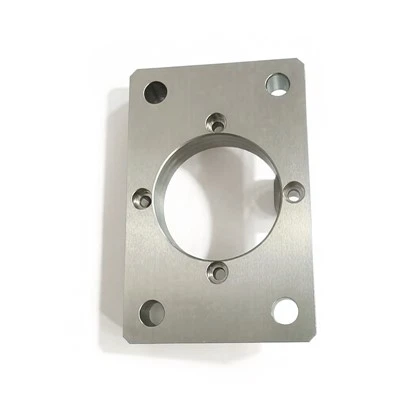
In conclusion, precision machined parts can indeed be used in the food industry, provided that the right materials, designs, and manufacturing processes are employed. The benefits of precision, durability, and customizability make them a valuable asset for food manufacturers. However, it is essential to take into account the strict hygiene and regulatory requirements of the industry.
CNC Turning Parts As a supplier of precision machined parts, we are committed to providing our customers in the food industry with high – quality products that meet all the necessary standards. If you are in the food industry and are looking for reliable precision machined parts, we encourage you to get in touch with us to discuss your specific needs and explore how we can help you achieve your production goals. Contact us to start a conversation about your next project and experience the difference that our precision machined parts can make in your food processing operations.
References
- "Food Processing Machinery: Design and Operation" by P. J. Tobin
- FDA regulations on food contact materials
- European Union’s directives on food safety and packaging materials
Suzhou Huaquan Electromechanical Manufacturing Co., Ltd.
As one of the leading precision machined parts manufacturers in China, we warmly welcome you to buy bulk customized precision machined parts made in China here from our factory. If you have any enquiry about pricelist and free sample, please feel free to email us.
Address: No.7550 Mudong Road, Hengjing Town, Wuzhong District, Suzhou City, Jiangsu Province, China
E-mail: Huaquan2005@outlook.com
WebSite: https://www.huaquancnc.com/
