Hey there! I’m a supplier of black steel pipes, and today I wanna talk about what’s actually in these pipes. You know, black steel pipes are pretty common in different industries, like construction and plumbing. But what makes them up? Let’s dig into the chemical composition of black steel pipes. Black Steel Pipe

First off, the main ingredient in black steel pipes is iron (Fe). Iron is the backbone of these pipes. It gives them strength and durability. Typically, iron content in black steel pipes is quite high, often around 98% or more. This high iron content is what allows the pipes to withstand a lot of pressure and stress. For example, in a plumbing system, the pipes need to be strong enough to handle the water pressure without bursting or leaking. And that’s where the iron in the black steel pipes comes in handy.
But it’s not just pure iron. There are also small amounts of other elements mixed in, which play important roles in determining the properties of the pipes. One of these elements is carbon (C). Carbon is present in black steel pipes in relatively small quantities, usually between 0.05% and 0.25%. Even though it’s a small amount, carbon has a big impact. It increases the hardness and strength of the iron. When you add carbon to iron, you get a material that’s a lot tougher than pure iron. This is crucial for black steel pipes, especially in applications where they need to resist wear and tear. For instance, in a construction site, the pipes might be exposed to rough handling and heavy loads, and the carbon helps them hold up.
Another important element is manganese (Mn). Manganese is usually present in black steel pipes at around 0.30% to 1.65%. Manganese serves a few important functions. Firstly, it acts as a deoxidizer during the steel – making process. When the steel is being melted and formed, oxygen can cause some problems, like creating brittle spots. Manganese helps to remove this oxygen, making the steel more uniform and less likely to break. Secondly, manganese also helps to improve the strength and toughness of the steel. It works in tandem with carbon to enhance the overall mechanical properties of the black steel pipes.
Sulfur (S) and phosphorus (P) are two elements that are present in very small amounts in black steel pipes. Sulfur is usually kept below 0.05%, and phosphorus below 0.04%. While these are considered impurities to some extent, they still have an impact on the steel. Sulfur can make the steel more brittle at high temperatures, which is why it’s kept at a low level. Phosphorus, on the other hand, can increase the strength of the steel but also make it more brittle at low temperatures. So, manufacturers have to carefully control the levels of these elements to ensure the pipes have the right balance of properties.
Silicon (Si) is another element commonly found in black steel pipes, usually in amounts ranging from 0.15% to 0.30%. Silicon is added as a deoxidizer, similar to manganese. It helps to remove oxygen from the molten steel, improving the quality and purity of the final product. Additionally, silicon can also enhance the strength and hardness of the steel, contributing to the overall performance of the black steel pipes.
Now, let’s talk about why understanding the chemical composition of black steel pipes is so important. For one, it helps in quality control. As a supplier, I need to make sure that the pipes I offer meet the right standards. By knowing the chemical composition, I can work with the manufacturers to ensure that the iron, carbon, manganese, and other elements are in the correct proportions. This way, I can guarantee that the pipes are strong, durable, and suitable for different applications.
It also matters for the end – users. If you’re in the construction business, for example, you need to know that the pipes you’re using can handle the specific requirements of your project. A high – rise building might need pipes with a certain level of strength and corrosion resistance. By understanding the chemical composition of the black steel pipes, you can make more informed decisions about which pipes are best for your job.
Moreover, the chemical composition can affect the way the pipes are processed and welded. Different elements have different melting points and react differently when heated. For instance, carbon can affect the weldability of the steel. If the carbon content is too high, the pipes might be more difficult to weld properly. So, whether you’re a contractor doing the installation or a supplier overseeing the production, knowing the chemical composition helps in handling and working with the black steel pipes.
As a supplier, I take great pride in offering high – quality black steel pipes. I work closely with the manufacturers to ensure that the chemical composition is just right, so that the pipes can meet the needs of various industries. Whether you’re in plumbing, construction, or any other field that requires reliable pipes, I’ve got you covered.
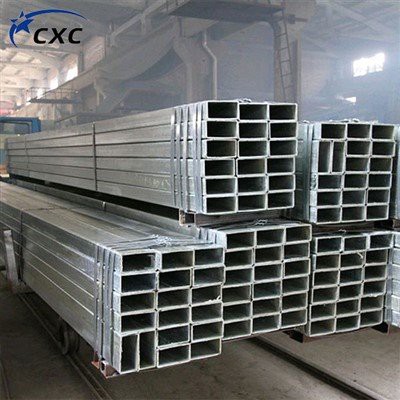
If you’re in the market for black steel pipes, don’t hesitate to reach out. Whether you have questions about the chemical composition, the size, or the applications of the pipes, I’m here to help. Let’s have a chat and see how I can meet your specific requirements. Whether it’s a small – scale project or a large – scale industrial job, I’m committed to providing you with the best black steel pipes available. So, drop me a message and let’s start discussing your procurement needs.
Rectangular Steel Pipe References
- "Metallurgy of Steel" by Joseph R. Davis
- "Handbook of Steel Pipe Manufacturing" by John G. Speer
Wuxi Chengxingchuang Metal Products Co., Ltd.
As one of the most professional black steel pipe manufacturers and suppliers in China, we’re featured by quality products and good price. Please rest assured to buy cheap black steel pipe for sale here from our factory. Customized orders are welcome.
Address: No. 8-2, Zhoujia Lane, Liangxi District, Wuxi City, Jiangsu Province, China
E-mail: 13961862735@163.com
WebSite: https://www.cxcsteeltube.com/
