When it comes to trailer maintenance and performance, one crucial aspect that often gets overlooked is the alignment of trailer wheel parts. As a seasoned supplier of trailer parts, I’ve witnessed firsthand the impact that proper wheel alignment can have on a trailer’s overall functionality, safety, and longevity. In this blog post, I’ll share some in – depth insights on how to align trailer wheel parts effectively. Trailer Parts

Understanding the Importance of Wheel Alignment
Before delving into the alignment process, it’s essential to understand why wheel alignment matters. Misaligned wheels can cause several problems. Firstly, uneven tire wear is a common consequence. When the wheels are not properly aligned, the tires will wear out at different rates. This not only shortens the lifespan of the tires but also compromises the trailer’s stability on the road. Uneven tire wear can lead to poor traction, especially in wet or slippery conditions, increasing the risk of accidents.
Secondly, misaligned wheels can affect the trailer’s handling. The trailer may pull to one side, making it difficult for the driver to keep it in a straight line. This not only makes towing more challenging but also puts additional stress on the vehicle’s suspension and steering components. Over time, this can lead to costly repairs and replacements.
Lastly, proper wheel alignment can improve fuel efficiency. When the wheels are aligned correctly, there is less resistance as the trailer moves forward. This means that the towing vehicle doesn’t have to work as hard, resulting in lower fuel consumption.
Tools Required for Wheel Alignment
To align trailer wheel parts, you’ll need a few essential tools. These include a tape measure, a straightedge, a camber gauge, and a toe – in gauge. A tape measure is used to measure distances between different parts of the wheel and axle. A straightedge helps in visually checking if the wheels are parallel to each other. A camber gauge measures the angle of the wheels relative to the vertical axis, while a toe – in gauge measures the difference in distance between the front and rear of the wheels.
It’s important to ensure that your tools are accurate and in good working condition. Using faulty tools can lead to inaccurate measurements and improper alignment, which can cause more harm than good.
Step – by – Step Guide to Aligning Trailer Wheel Parts
Step 1: Inspect the Trailer and Wheels
Before you start the alignment process, give the trailer a thorough inspection. Check for any signs of damage to the wheels, axles, or suspension components. Look for bent axles, worn – out bushings, or loose bolts. If you notice any issues, it’s important to address them before proceeding with the alignment.
Next, inspect the tires. Check the tire pressure and make sure it is at the recommended level. Uneven tire pressure can affect the alignment measurements. Also, examine the tires for any signs of uneven wear, such as bald spots or excessive wear on one side.
Step 2: Set Up the Trailer
Park the trailer on a level surface. Make sure the trailer is stable and not rocking or leaning to one side. Engage the trailer’s brakes and place wheel chocks in front and behind the wheels to prevent the trailer from moving during the alignment process.
Step 3: Measure the Camber
The camber is the angle of the wheels when viewed from the front or rear of the trailer. To measure the camber, use a camber gauge. Place the gauge on the wheel hub and take a reading. The ideal camber angle for most trailers is close to zero degrees. If the camber angle is too positive or negative, it can cause uneven tire wear and handling problems.
Adjusting the camber usually involves adjusting the shocks or struts on the trailer. However, this process can be complex and may require professional assistance.
Step 4: Measure the Toe – In
The toe – in is the difference in distance between the front and rear of the wheels. Measure the distance between the inside edges of the wheels at the front and rear using a tape measure or a toe – in gauge. For most trailers, a slight toe – in is recommended, typically around 1/8 to 1/4 inch.
If the toe – in is not within the recommended range, you’ll need to adjust it. This can usually be done by adjusting the tie – rod ends. Loosen the lock nuts on the tie – rod ends and turn the rod to increase or decrease the toe – in. After making the adjustment, re – measure the toe – in to ensure it is within the correct range.
Step 5: Check the Axle Alignment
The axles should be parallel to each other and perpendicular to the trailer’s frame. Use a straightedge to check if the axles are straight. If an axle is bent, it will need to be replaced or straightened.
To check if the axles are parallel, measure the distance between the axles at several points along their length. The measurements should be consistent. If there is a significant difference in the measurements, it indicates that the axles are not parallel, and adjustments will be needed.
Step 6: Re – check and Finalize
After making all the necessary adjustments, re – check the camber, toe – in, and axle alignment. If everything is within the correct range, tighten all the bolts and lock nuts to the recommended torque specifications.
Common Mistakes to Avoid
One of the most common mistakes when aligning trailer wheel parts is not using the right tools. As mentioned earlier, using inaccurate or faulty tools can lead to incorrect measurements and improper alignment. Always invest in high – quality tools and make sure they are calibrated correctly.
Another mistake is not following the manufacturer’s specifications. Different trailers may have different alignment requirements. It’s important to refer to the trailer’s owner’s manual or consult the manufacturer for the correct alignment settings.
Finally, some people try to align the wheels without properly inspecting the trailer and its components. As we discussed earlier, damaged axles, worn – out bushings, or loose bolts can affect the alignment and make it difficult to achieve accurate results. Always perform a thorough inspection before starting the alignment process.
Conclusion
Properly aligning trailer wheel parts is a crucial part of trailer maintenance. By following the steps outlined in this blog post and avoiding common mistakes, you can ensure that your trailer’s wheels are aligned correctly, which will improve its performance, safety, and longevity.
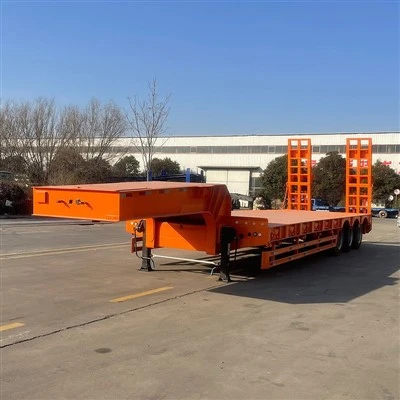
As a reliable trailer parts supplier, I’m well – aware of the importance of having the right parts for wheel alignment. Whether you’re looking for camber gauges, toe – in gauges, tie – rod ends, or any other trailer parts, we’ve got you covered. Our extensive range of high – quality trailer parts is designed to meet the needs of various trailers and ensure optimal performance.
Construction Machinery If you’re interested in purchasing trailer parts for your wheel alignment needs or have any questions about our products, don’t hesitate to reach out. We’re always here to assist you in finding the right parts and providing expert advice. Contact us today to start a conversation about your trailer parts requirements and let’s work together to keep your trailer in top – notch condition.
References
- Trailer Maintenance Manuals from Leading Manufacturers
- Automotive Engineering Textbooks on Wheel Alignment
- Industry Publications on Trailer Safety and Performance
Jining Dafu Machinery Sales Co., Ltd.
As one of the most professional trailer parts suppliers in China, we’re featured by quality products and low price. Please rest assured to wholesale bulk cheap trailer parts from our factory. We also accept customized orders.
Address: Room 1-115, Building 7, Luxinan Auto Parts City, Qiantongdian Village, Quanpu Town, Liangshan County, Jining City, Shandong Province
E-mail: jiningdafu@163.com
WebSite: https://www.dafumachinery.com/
