When dealing with gas applications, the proper use of ball valves is of utmost importance, not only from a functional standpoint but also from a safety perspective. As a ball valve supplier, I’ve witnessed firsthand the critical role these components play in ensuring gas systems operate safely and efficiently. In this blog, I’ll delve into the key safety considerations when using ball valves for gas, covering aspects from installation to maintenance. Ball Valve
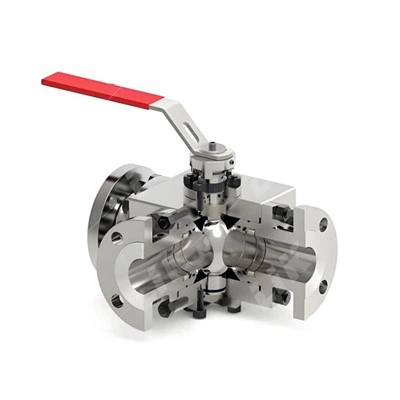
Installation Safety
The installation phase sets the foundation for the safe operation of ball valves in gas systems. First and foremost, it’s essential to ensure that the valve is compatible with the specific gas being used. Different gases have varying chemical properties, pressures, and temperatures, which can impact the performance and integrity of the valve. For example, natural gas and propane have different combustion characteristics and may require valves made from specific materials to prevent corrosion or leakage.
Before installation, a thorough inspection of the valve and all associated components is necessary. Check for any visible damage, such as cracks, dents, or scratches, which could compromise the valve’s seal and lead to gas leaks. Additionally, verify that the valve’s size and pressure rating match the requirements of the gas system. An undersized valve may cause excessive pressure drop, while an oversized valve may not provide adequate flow control.
Proper installation techniques are also crucial. The valve should be installed in a clean and dry environment to prevent the ingress of contaminants that could damage the valve’s internal components. Ensure that the valve is correctly aligned with the pipeline and that all connections are tightened to the manufacturer’s specifications. Over-tightening can damage the valve or the pipeline, while under-tightening can result in leaks.
Pressure and Temperature Considerations
Gas systems can operate under a wide range of pressures and temperatures, and ball valves must be able to withstand these conditions safely. It’s essential to select a valve with a pressure rating that exceeds the maximum operating pressure of the gas system. This ensures that the valve can handle any pressure surges or fluctuations without failing.
In addition to pressure, temperature can also affect the performance of ball valves. High temperatures can cause the valve’s materials to expand, potentially leading to leaks or reduced seal integrity. Conversely, low temperatures can make the valve’s components more brittle and prone to damage. When selecting a valve for a gas application, consider the operating temperature range of the system and choose a valve that is designed to perform reliably within that range.
Regular monitoring of the pressure and temperature in the gas system is also important. Install pressure and temperature gauges near the valve to allow for easy monitoring and detection of any abnormal conditions. If the pressure or temperature exceeds the valve’s rated limits, take immediate action to address the issue, such as adjusting the flow rate or shutting down the system.
Leak Detection and Prevention
Gas leaks can pose a significant safety hazard, as they can lead to fires, explosions, or asphyxiation. Therefore, it’s essential to implement effective leak detection and prevention measures when using ball valves for gas.
One of the most common methods of leak detection is the use of soap bubble tests. Apply a soapy solution to all valve connections and joints, and look for the formation of bubbles. If bubbles appear, it indicates a leak, and the connection should be tightened or repaired immediately.
In addition to visual inspections, gas detectors can also be used to detect the presence of gas leaks. These devices can be installed in strategic locations throughout the gas system and are designed to alert operators when gas concentrations exceed safe levels.
To prevent leaks from occurring in the first place, ensure that the valve is properly maintained and inspected on a regular basis. Replace any worn or damaged seals, gaskets, or O-rings promptly, and lubricate the valve’s moving parts as recommended by the manufacturer.
Fire Safety
Gas systems are inherently flammable, and fire safety is a critical consideration when using ball valves. In the event of a fire, the valve should be able to shut off the flow of gas to prevent the spread of the fire and minimize damage.
Select a ball valve that is designed to provide reliable shut-off in the event of a fire. Some valves are equipped with fire-safe features, such as metal-to-metal seats or fireproof coatings, which can help to maintain the valve’s integrity and prevent gas leakage during a fire.
In addition to selecting a fire-safe valve, it’s also important to have a fire safety plan in place. This plan should include procedures for shutting off the gas supply in the event of a fire, as well as instructions for evacuating the area and contacting emergency services.
Operational Safety
Safe operation of ball valves in gas systems requires trained personnel who understand the proper procedures and precautions. Operators should be familiar with the valve’s operating manual and should follow all recommended operating procedures.
When opening or closing a ball valve, do so slowly and smoothly to prevent pressure surges or water hammer, which can damage the valve or the pipeline. Avoid applying excessive force to the valve handle, as this can also cause damage.
Regular training and refreshers for operators are also important to ensure that they are aware of the latest safety procedures and best practices. This can help to prevent accidents and ensure the safe and efficient operation of the gas system.
Maintenance and Inspection
Regular maintenance and inspection of ball valves are essential to ensure their continued safe and reliable operation. A comprehensive maintenance program should include routine inspections, lubrication, and replacement of worn or damaged components.
Inspect the valve regularly for signs of wear, corrosion, or damage. Check the valve’s seals, gaskets, and O-rings for leaks, and replace them if necessary. Lubricate the valve’s moving parts as recommended by the manufacturer to ensure smooth operation.
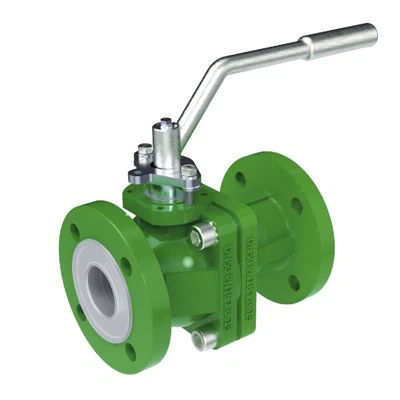
In addition to routine maintenance, periodic testing of the valve’s performance is also important. This can include pressure testing, flow testing, and leak testing to ensure that the valve is functioning properly and meeting the required specifications.
Conclusion
Actuator As a ball valve supplier, I understand the critical importance of safety when using ball valves for gas. By following these safety considerations, from installation to maintenance, you can help to ensure the safe and reliable operation of your gas system. If you have any questions or need further assistance with selecting the right ball valve for your gas application, please don’t hesitate to contact us for a procurement discussion. Our team of experts is here to provide you with the guidance and support you need to make the best decision for your system.
References
- ASME B16.34 – Valves – Flanged, Threaded, and Welded End – Power & General Service.
- API 6D – Pipeline Valves – Specification for Pipeline Valves.
- ISO 10497 – Industrial Valves – Ball Valves.
- NFPA 54 – National Fuel Gas Code.
Wuxi PYNOS Flow-tech Co., Ltd.
As one of the leading ball valve manufacturers and suppliers in China, we offer a wide range of products with superior quality. We warmly welcome you to buy high quality ball valve made in China here from our factory. We also accept customized orders.
Address: Sales Center: 7th Floor, No.19 Qingyuan RD, Wuxi City, Jiangsu Prov., China
E-mail: Info@pynosvalve.com
WebSite: https://www.pynosvalves.com/
