As a supplier of Ultrasonic Open Channel Flow Meters, I understand the importance of proper installation to ensure accurate and reliable flow measurement. In this blog, I will share some key installation precautions for Ultrasonic Open Channel Flow Meters to help you achieve optimal performance. Ultrasonic Open Channel Flow Meter
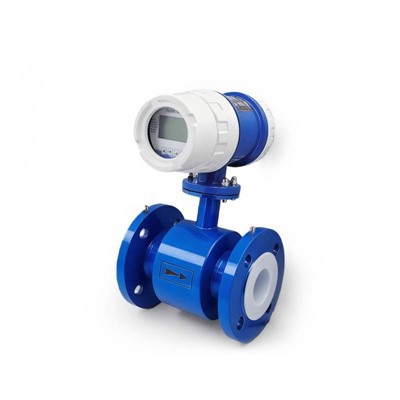
1. Site Selection
The first step in installing an Ultrasonic Open Channel Flow Meter is to choose the right site. The site should meet the following requirements:
- Straight Channel: The channel should be straight for a sufficient distance upstream and downstream of the installation point. A straight channel helps to ensure a uniform flow profile, which is essential for accurate flow measurement. Generally, a straight section of at least 5 – 10 times the channel width upstream and 2 – 5 times the channel width downstream is recommended.
- Stable Flow: Avoid areas with turbulent flow, such as near bends, weirs, or pumps. Turbulent flow can cause inaccurate measurements due to irregular flow patterns and air bubbles. The flow in the channel should be relatively smooth and stable.
- No Obstructions: There should be no obstructions in the channel that could interfere with the ultrasonic signal. Obstructions such as debris, sediment, or floating objects can block the signal and lead to measurement errors.
2. Mounting the Transducer
The transducer is the key component of the Ultrasonic Open Channel Flow Meter, and proper mounting is crucial for its performance. Here are some mounting precautions:
- Mounting Height: The transducer should be mounted at the correct height above the water surface. The height is typically determined based on the maximum expected water level in the channel. It is important to ensure that the transducer is not submerged during normal operation, as this can damage the transducer.
- Mounting Angle: The transducer should be mounted at a specific angle to the water surface. The angle is usually specified by the manufacturer and is designed to optimize the ultrasonic signal transmission and reception. Incorrect mounting angles can result in weak signals and inaccurate measurements.
- Mounting Stability: The transducer should be mounted securely to prevent movement or vibration. Any movement or vibration can cause changes in the ultrasonic signal path and lead to measurement errors. Use appropriate mounting brackets and fasteners to ensure a stable installation.
3. Electrical Installation
Proper electrical installation is essential for the safe and reliable operation of the Ultrasonic Open Channel Flow Meter. Here are some electrical installation precautions:
- Power Supply: Ensure that the power supply meets the requirements of the flow meter. Use a stable and clean power source to avoid electrical interference. If necessary, use a power conditioner or surge protector to protect the flow meter from power surges.
- Wiring: Use appropriate wiring to connect the flow meter to the power supply and other devices. The wiring should be properly insulated and protected to prevent short circuits and electrical hazards. Follow the manufacturer’s wiring diagram and installation instructions carefully.
- Grounding: Proper grounding is important to protect the flow meter from electrical interference and lightning strikes. Connect the flow meter to a reliable ground using a grounding wire. Make sure the grounding connection is tight and secure.
4. Calibration and Configuration
After the installation is complete, it is necessary to calibrate and configure the Ultrasonic Open Channel Flow Meter to ensure accurate measurements. Here are some calibration and configuration precautions:
- Calibration: Calibrate the flow meter according to the manufacturer’s instructions. Calibration is usually done using a known flow rate or a reference flow meter. The calibration process may involve adjusting the flow meter’s parameters, such as the zero point and span, to match the actual flow conditions.
- Configuration: Configure the flow meter’s settings, such as the channel type, flow units, and output options. The configuration settings should be based on the specific requirements of the application. Make sure to save the configuration settings after making any changes.
- Testing: After calibration and configuration, test the flow meter to ensure that it is working properly. Use a known flow rate or a reference flow meter to verify the accuracy of the measurements. If any problems are detected, troubleshoot and correct them before putting the flow meter into operation.
5. Maintenance and Monitoring
Regular maintenance and monitoring are important to ensure the long – term performance of the Ultrasonic Open Channel Flow Meter. Here are some maintenance and monitoring precautions:
- Cleaning: Keep the transducer and the channel clean to prevent the accumulation of debris and sediment. Regularly clean the transducer surface using a soft cloth and a mild cleaning solution. Avoid using abrasive materials that could damage the transducer.
- Inspection: Periodically inspect the flow meter for any signs of damage or wear. Check the wiring, mounting brackets, and other components for loose connections or damage. Replace any damaged components as soon as possible.
- Monitoring: Continuously monitor the flow meter’s performance and output. Check the flow rate readings regularly to ensure that they are within the expected range. If any abnormal readings are detected, investigate the cause and take appropriate measures.
6. Safety Precautions
During the installation and operation of the Ultrasonic Open Channel Flow Meter, it is important to follow safety precautions to prevent accidents and injuries. Here are some safety precautions:
- Electrical Safety: When working with electrical components, make sure to follow electrical safety procedures. Turn off the power supply before performing any electrical work. Use insulated tools and wear appropriate personal protective equipment (PPE), such as gloves and safety glasses.
- Physical Safety: When mounting the transducer or working in the channel, be careful to avoid slips, trips, and falls. Use appropriate ladders and safety equipment when working at heights.
- Chemical Safety: If the channel contains chemicals or other hazardous substances, take appropriate safety measures to protect yourself from exposure. Wear appropriate PPE, such as respirators and chemical – resistant clothing.
In conclusion, proper installation of an Ultrasonic Open Channel Flow Meter is essential for accurate and reliable flow measurement. By following the installation precautions outlined in this blog, you can ensure that your flow meter performs optimally and provides accurate flow data. If you have any questions or need further assistance with the installation of an Ultrasonic Open Channel Flow Meter, please feel free to contact us for more information and to discuss your specific requirements. We are here to help you make the right choice and ensure a successful installation.
Marine Testing Equipment References:
- Manufacturer’s installation and operation manuals for Ultrasonic Open Channel Flow Meters.
- Industry standards and guidelines for flow measurement in open channels.
Dalian Yheng Technology Co., Ltd.
Dalian Yheng Technology Co., Ltd. is one of the leading ultrasonic open channel flow meter manufacturers and suppliers in China, also supports customized service. We warmly welcome you to buy high quality ultrasonic open channel flow meter in stock here from our factory. Contact us for more details.
Address: F1605, NO.10 Huoju road, High-tech Industrial Zone, Dalian, China
E-mail: admin@dlyheng.com
WebSite: https://www.yhengphmeter.com/
